How GAF Architectural Shingles Help Protect Midwest Roofs From Wind-Driven Damage
Date Modified: May 31, 2026
Strong thunderstorms across Iowa and Eastern Nebraska often create serious roofing concerns for local homeowners. Wind-driven rain, hail, and sudden pressure changes can weaken aging shingles and expose vulnerable roof decking. GAF architectural shingles help reduce these risks by improving durability, wind performance, and long-term weather resistance across changing Midwest conditions.
Homeowners in Ames, Des Moines, and Omaha frequently experience seasonal storms that place constant stress on residential roofing systems. Choosing durable materials becomes especially important when roofs face repeated freeze-thaw cycles and severe summer winds.
Many property owners schedule roof inspections before storm season to identify weak areas and prevent larger weather-related damage.
Key Takeaways
- GAF architectural shingles improve wind resistance during severe Midwest storms.
- Proper roof ventilation helps shingles maintain long-term durability and performance.
- Aging roofs often develop hidden weaknesses before visible leaks appear indoors.
- Professional roof inspections help identify storm damage before larger repairs become necessary.
How Gaf Shingles Improve Wind Resistance in Midwest Storms
Midwest weather creates difficult conditions for roofing systems throughout every season. Strong wind gusts often loosen older shingles and expose vulnerable roof edges during heavy storms. GAF architectural shingles provide additional durability that helps reduce weather-related roofing concerns across Iowa and Eastern Nebraska.
Reinforce Roof Edges Against Sudden Wind Uplift
High winds often target roof edges first because these areas experience stronger pressure changes during storms. GAF architectural shingles use a layered construction that helps improve attachment strength across vulnerable roof sections. Many homeowners researching roofing services in Cedar Rapids choose architectural shingles for improved wind performance and long-term durability.
Improve Water Shedding During Heavy Midwest Rainstorms
Wind-driven rain can push moisture beneath damaged shingles and eventually affect underlying roofing materials. GAF architectural shingles create tighter overlaps that help direct water away from exposed roofing surfaces during severe weather. This added protection becomes especially valuable for homeowners dealing with repeated spring and summer thunderstorms across Eastern Nebraska.
Support Long-Term Roof Performance Through Seasonal Temperature Changes
Rapid temperature swings across the Midwest can weaken lower-quality roofing materials over time. GAF architectural shingles are designed to handle repeated expansion and contraction caused by changing seasonal weather conditions. Homeowners exploring gutter upgrade options often combine upgraded drainage systems with stronger shingles to improve overall roof protection.
What Homeowners Should Know Before Replacing Aging Roofs
Older roofing systems often show warning signs before major leaks or structural issues appear indoors. Midwest weather conditions can accelerate wear patterns that remain difficult to notice from the ground. Understanding these early concerns helps homeowners make informed replacement decisions before storm damage becomes more severe.
Identify Curling and Granule Loss Before Storm Season Arrives
Aging shingles often curl upward or lose their protective granules after years of direct exposure to weather. These warning signs usually indicate declining performance and reduced resistance against heavy Midwest windstorms. Property owners in Story City and Omaha frequently schedule inspections after noticing uneven roof coloration or debris accumulation near downspouts.
Check Ventilation Conditions Before Installing Replacement Shingles
Poor attic ventilation can trap heat and moisture, which gradually shortens the overall roof lifespan. Balanced ventilation helps roofing materials maintain consistent performance during humid summers and freezing winter temperatures. Homeowners considering siding improvement projects sometimes evaluate roof ventilation simultaneously to improve overall exterior efficiency and protection.
Understand How Storm Damage Can Affect Roof Lifespan
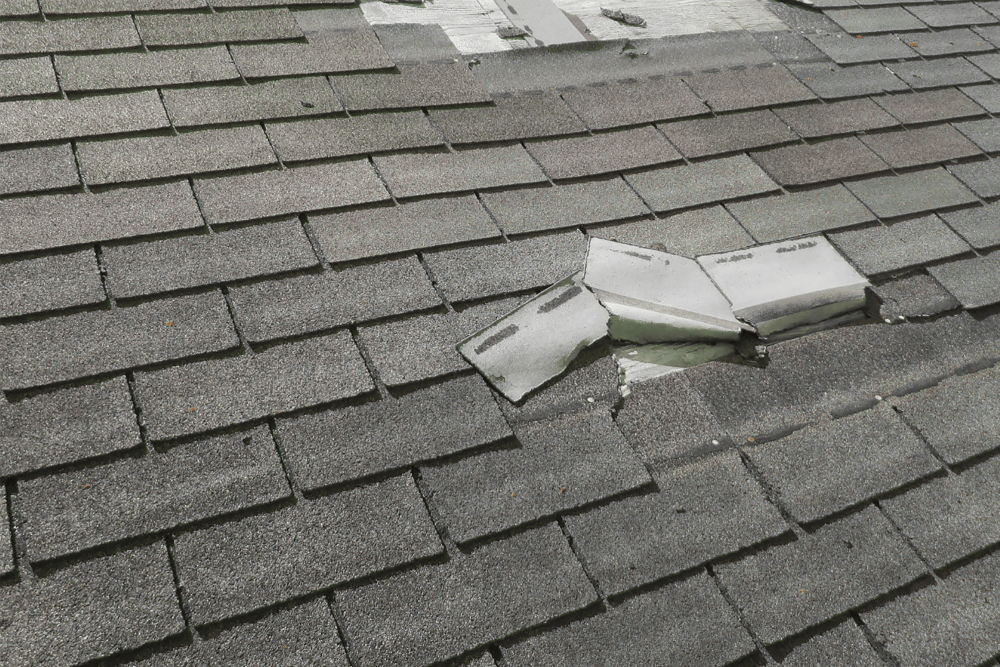
Repeated hail impacts and strong winds can weaken roofing systems even when leaks remain temporarily hidden. Small areas of damage often expand after future storms create additional stress across aging shingles and flashing materials. Professional inspections help homeowners understand whether repairs remain practical or replacement provides better long-term protection.
Upgrade Your Iowa and Eastern Nebraska Roof for Long-Term Storm Protection
Waddle Exteriors has helped homeowners protect their properties since 1978. The company continues to provide dependable exterior solutions built for changing Midwest weather conditions and long-term durability. Homeowners in Ames, Des Moines, and Omaha often rely on experienced roofing professionals when planning replacement projects after severe seasonal storms.
Schedule your free estimate today.
Serving homeowners throughout the Midwest service area, the trusted roofing team at Waddle Exteriors focuses on quality workmanship, dependable materials, and long-lasting exterior protection.
Frequently Asked Questions
How long do GAF architectural shingles typically last?
GAF architectural shingles can last several decades when properly installed and maintained. Weather exposure, attic ventilation, and storm frequency often influence overall roof lifespan throughout Iowa and Eastern Nebraska.
Are architectural shingles better for Midwest windstorms?
Architectural shingles generally provide better wind resistance because of their layered construction and stronger sealing capabilities. Many homeowners choose them for improved durability during severe thunderstorms and changing seasonal weather conditions.
What signs indicate a roof may need replacement soon?
Curling shingles, missing granules, visible leaks, and repeated storm damage often indicate aging roof systems. A professional inspection helps determine whether repairs remain effective or replacement becomes the better long-term solution.
Can new gutters improve roof protection during storms?
Proper gutter systems help move water away from roofing materials and foundation areas during heavy rainfall. Effective drainage reduces standing water concerns and supports overall exterior protection throughout severe Midwest weather conditions.