Why Manufacturer Certifications Matter for Long-Lasting Roofs in Central Iowa Homes
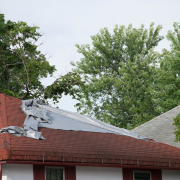
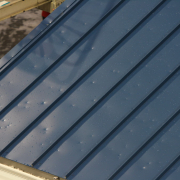
Spring in Central Iowa brings a wide range of weather conditions that can put immediate stress on your roof. Hailstorms, strong winds, and temperature swings across Des Moines, Story City, and Ames often expose hidden weaknesses in roofing systems. When your roof is the first line of defense against these elements, the quality of installation matters just as much as the materials used.
That is where working with a certified roofing contractor becomes essential. The right credentials can directly impact how well your roof performs over time.
Key Takeaways
- Manufacturer certifications confirm a contractor meets verified standards for training, licensing, and insurance.
- GAF-certified and Owens Corning Platinum Preferred contractors can offer stronger warranty coverage than non-certified roofers.
- Homeowners should verify certifications, reviews, and guarantee terms before signing any roofing contract.
- Working with a credentialed exterior team helps protect your investment in roof repair, replacement, siding, and gutters.
How Certified Roof Systems Protect Central Iowa Roof Longevity
Central Iowa homes face real seasonal stress every year. Winter ice, spring hail, and summer wind can shorten a roof’s life faster than most homeowners expect. Choosing the right roofing team from the start is one of the best ways to protect that investment.
The three sections below explain how manufacturer certification programs directly affect the quality and longevity of residential roofing systems in the Des Moines area.
Certified Contractors Install Products the Way Manufacturers Intend
Manufacturer certification programs exist for a reason. Brands like GAF and Owens Corning require contractors to complete product-specific training before they earn approval to install certified roof systems. When installed according to the manufacturer’s specifications, roofing systems perform as intended and last longer against Iowa’s demanding weather conditions.
Stronger Warranty Coverage Comes With Certified Installations
Not all roof warranties are equal. A certified roofing contractor can often offer extended system warranties that non-certified installers cannot. For homeowners in the Des Moines metro, that difference in warranty coverage can be significant when a wind damage or roof repair situation arises years down the road.
GAF Master Elite Status Represents a Higher Bar
GAF Master Elite is a designation earned by roughly 2% of roofing contractors in North America. To qualify, contractors must meet requirements for licensing, insurance, and ongoing training that go beyond standard GAF certified status. For Central Iowa homeowners comparing roofing teams, that distinction is worth asking about directly.
What Homeowners Should Verify Before Choosing a Roofing Team
Hiring the right roofing contractor in Des Moines or the surrounding area takes more than a quick internet search. A low price or a fast sales pitch should not be the deciding factors when you are protecting one of your largest assets. Taking time to verify a few key items before signing can save you significant trouble later.
The three checkpoints below cover the most important things to confirm when evaluating any roofing team for a roof inspection or any emergency work.
Ask for Proof of Manufacturer Certification and Insurance
Any reputable roofing contractor should be able to show documentation of their manufacturer certifications and current insurance coverage. GAF, for example, has an online directory where homeowners can search for nearby certified roofing contractors and confirm credentials. This step takes minutes and can prevent costly problems down the line.
Review Their Track Record for Storm and Wind Damage Work
Iowa’s spring storm season creates a surge of roof repair and wind damage claims every year. Before hiring, look for a contractor with documented experience handling storm-related restoration work and insurance claims communication. A contractor familiar with this process can help you understand your next steps without acting as your claims negotiator.
Confirm They Handle More Than Just Roofing
A roofing replacement often reveals related issues with gutters, siding, or soffit that need attention. Working with a team that handles multiple exterior services means you are not coordinating multiple contractors for connected problems. Confirming that scope upfront helps the project move more smoothly from start to finish.
Choose Certified Roofing for Longer-Lasting Protection in Central Iowa
Waddle Exteriors has served homeowners across Des Moines, Ames, Cedar Rapids, and surrounding communities since 1978. As a GAF Master Elite contractor, the team brings proven installation standards and backs every project with a 100% labor guarantee. For any roofing project, from maintenance to full installation, homeowners can expect a clear, professional experience from start to finish.
Schedule your free estimate today.
Serving homeowners across Central Iowa and Eastern Nebraska, our trusted roofing team ensures every roof is built to perform and protect through every season.
Frequently Asked Questions
What is a certified roofing contractor?
A certified roofing contractor has met specific requirements set by a manufacturer or industry body. These typically include proof of licensing, insurance, and product training. Certification confirms a baseline standard of professionalism and technical knowledge.
What is the difference between a roofer and a roofing contractor?
A roofer typically refers to someone who installs roofing materials on-site. A roofing contractor manages the full scope of a project, including materials, labor, and warranties. Contractors are generally licensed and accountable for the finished work.
What is the difference between a GAF Certified contractor and a GAF Master Elite contractor?
GAF Certified contractors meet baseline licensing and insurance requirements. GAF Master Elite is a higher tier earned by roughly 2% of roofing contractors, requiring additional training and a stronger performance record.
How do I become GAF certified?
GAF certification requires a contractor to hold proper licensing and insurance, complete application and training requirements, and maintain a solid installation track record. The process is managed directly through GAF’s contractor program.