Why Soffit and Fascia Protect Central Iowa Homes From Moisture, Pests, and Roofline Damage
Date Modified: May 28, 2026
Central Iowa homes face constant exposure to heavy rain, strong winds, snow accumulation, and seasonal humidity changes. These conditions place steady pressure on roof edges, attic ventilation systems, and exterior trim materials throughout the year. Properly installed soffit and fascia components help reduce moisture intrusion while supporting long-term roof performance in Ames, Des Moines, and Story City.
Homeowners often focus on shingles after storms, yet roofline protection systems deserve equal attention during exterior inspections. Damaged soffit and fascia boards can allow moisture buildup that affects insulation, ventilation, and structural wood beneath the roofing system.
Key Takeaways
- Soffit and fascia help control attic airflow and reduce moisture buildup around roof edges.
- Damaged roofline materials often attract pests and increase the risk of hidden wood deterioration.
- Seasonal storms in Central Iowa can weaken fascia boards and nearby gutter attachment points.
- Early inspections help homeowners prevent expensive Roof Replacement projects and interior moisture damage.
How Soffit and Fascia Defend Central Iowa Rooflines
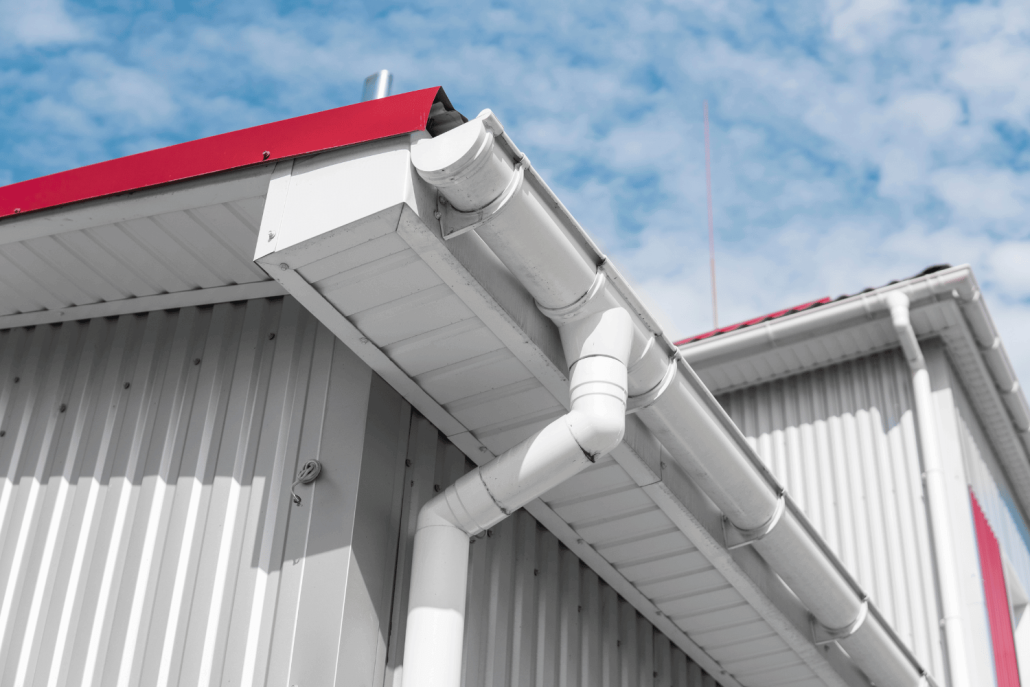
Soffit and fascia systems create a protective barrier along roof edges while supporting proper attic ventilation throughout the home. Central Iowa weather patterns regularly expose rooflines to wind-driven rain, temperature swings, and ice accumulation during the winter months. This section explains how these exterior components help reduce long-term structural problems and improve overall roof performance.
Improving Ventilation to Reduce Moisture Accumulation
Poor attic airflow often traps humidity beneath roofing materials during humid Central Iowa summers and freezing winter conditions. Proper soffit ventilation allows fresh air circulation that helps stabilize attic temperatures and reduce condensation buildup near insulation materials. Contractors commonly inspect nearby windows and siding areas because trapped moisture can gradually affect several connected exterior systems.
Blocking Pests From Entering Roofline Openings
Small openings near deteriorated fascia boards often create entry points for insects, birds, and small rodents seeking shelter indoors. Damaged soffit panels may loosen after wind damage events, especially following severe thunderstorms common across Central Iowa communities.
Routine inspections help identify vulnerable areas before pests reach attic insulation, wiring systems, or hidden wood framing.
Supporting Gutters During Heavy Rainfall
Fascia boards provide essential structural support for gutters that manage rainwater during strong seasonal storms and rapid snowmelt periods. Weak fascia materials may loosen under excessive water weight, increasing the risk of drainage failures around roof edges and foundations.
Many exterior inspections also include hail damage repair assessments because hail impacts frequently weaken nearby gutter attachment areas.
What Homeowners Should Check Before Damage Spreads
Roofline damage often develops slowly, making early warning signs difficult for homeowners to recognize during routine exterior maintenance. Central Iowa weather conditions can accelerate deterioration after storms, especially when moisture enters small openings around roof edges. Understanding these visible warning signs helps homeowners address problems before larger structural repairs become necessary.
Watch for Peeling Paint and Staining
Peeling paint near roof edges often signals trapped moisture behind fascia materials or inadequate attic ventilation beneath soffit panels. Water stains along exterior trim frequently appear after wind damage restoration projects reveal hidden drainage problems around roofing systems. Contractors may also inspect nearby insurance claims assistance documentation when storm-related moisture damage affects multiple exterior surfaces.
Inspect for Sagging Gutters and Loose Fasteners
Sagging gutters sometimes indicate weakened fascia boards that no longer support proper water drainage during severe rainfall events. Loose fasteners may develop after repeated freeze-thaw cycles, which place stress on roof edges throughout Central Iowa winters. Early repairs often prevent larger structural concerns that could eventually require extensive roof replacement work across aging roofing systems.
Check for Soft Wood and Visible Gaps
Soft wood around roof edges usually suggests long-term moisture exposure that may weaken soffit panels and supporting fascia materials. Visible gaps often appear after strong storms create shifting near connected siding and roofline transition areas. Exterior inspections help identify developing issues before water intrusion reaches attic framing or interior ceiling materials.
Guard Your Central Iowa Roofline From Storm Damage, Moisture, and Costly Repairs
Protecting soffit and fascia systems helps homeowners reduce moisture problems, improve ventilation, and support long-term roof durability across Central Iowa properties. Exterior inspections can also uncover developing concerns connected to roof repair, gutters, or wind damage after seasonal storms.
Contact Waddle Exteriors to schedule a free estimate for soffit and fascia evaluations in Ames, Des Moines, and nearby Central Iowa communities. Professional inspections help homeowners identify roofline concerns early while planning exterior improvements that support long-term home protection.
Frequently Asked Questions
How often should soffit and fascia be inspected in Central Iowa?
Most homeowners should schedule roofline inspections at least once yearly and after major storms. Seasonal weather changes in Central Iowa can quickly expose hidden moisture problems around soffit panels and fascia boards.
Can damaged fascia affect gutter performance?
Yes, weakened fascia boards often reduce gutter stability during heavy rainfall and snow accumulation periods. Loose attachment points may eventually cause drainage problems that increase moisture exposure near the foundation and roof edges.
What causes soffit ventilation problems in older homes?
Aging materials, blocked vents, and moisture buildup commonly reduce airflow beneath older roofing systems. Poor ventilation may increase attic humidity levels and contribute to insulation damage or hidden wood deterioration over time.
Are soffit and fascia repairs important after severe storms?
Storm inspections help identify loosened panels, moisture intrusion, and structural movement near roof edges after high winds or hail events. Early repairs often prevent larger roofing and attic problems from developing later.