
Is Your Roof Ready for Iowa Storm Season? What Homeowners Should Check
Date Modified: August 31, 2026
Knowing how to prepare your roof for storm season in Iowa can help you identify weaknesses before severe weather reaches Central Iowa. Strong winds, hail, heavy rain, and rapidly changing conditions can expose problems that were difficult to notice during calmer weather.
For homeowners throughout Des Moines, Ames, and nearby communities, preparation starts with understanding what deserves attention before storms arrive.
Key Takeaways
- Check shingles, flashing, gutters, and roof edges for visible problems before severe weather arrives.
- Wind and hail can create roofing damage that is not always obvious from ground level.
- Addressing existing roof weaknesses before storms can reduce the chance of more extensive water intrusion.
- A professional inspection can identify concerns that homeowners may not safely see from the ground.
How to Check Your Roof Before Iowa Storms
Learning how to check a roof before a storm begins with examining areas most exposed to wind, hail, and water. Central Iowa homeowners should focus on existing weaknesses that severe weather could make worse. A careful pre-storm review also creates a useful baseline for comparing conditions after severe weather.
The goal is to identify five distinct areas where early warning signs commonly appear.
Check Shingles for Visible Wear
Loose, cracked, curled, or missing shingles can leave sections of a roof more vulnerable when strong winds move through Des Moines. Homeowners can begin by viewing accessible roof surfaces from the ground and arranging to have your roof inspected before storm season when concerns appear. Finding deterioration beforehand matters because damaged shingles may provide less protection against wind-driven rain during severe weather.
A closer professional evaluation can determine whether visible deterioration is isolated or part of a broader roofing problem.
Examine Flashing Around Roof Openings
Flashing around chimneys, vents, and other roof penetrations can become a vulnerable point when materials loosen or separate. A roofing inspection can identify flashing problems before heavy rain reaches these openings. This matters because small gaps can allow water beneath surrounding roofing materials even when the main roof surface appears intact.
From the ground, look for visibly displaced materials around roof penetrations without climbing onto the roof. Any suspected separation deserves closer evaluation before storm conditions develop.
Look Along Roof Edges for Wind Vulnerabilities
Roof edges face direct wind pressure, making loose or damaged materials important to identify before Central Iowa thunderstorms arrive. Checking perimeter areas can reveal lifted shingles or edge components that need attention before severe weather. Early correction matters because existing weaknesses may worsen when high winds move across exposed sections.
This is also where homeowners may later notice wind damage to roof shingles after a storm. Compare post-storm conditions with what you observed beforehand whenever it is safe to do so.
Review Gutters and Drainage Areas
Blocked or damaged gutters can interfere with drainage when thunderstorms produce heavy rainfall across Ames and the Des Moines Metro. Clearing visible debris and addressing damaged gutter sections helps water move away from the roof more effectively. Reliable drainage matters because backed-up water can place additional stress around roof edges and other vulnerable areas.
Inspect gutters from a safe location and watch for sagging, separation, or obvious obstructions. Problems discovered before storm season are easier to address before heavy rainfall tests the drainage system.
Check the Attic for Moisture Warning Signs
Some roofing problems first become noticeable inside the home rather than across the exterior roof surface. Checking accessible attic areas for water staining or signs of moisture can reveal possible roof vulnerabilities. Identifying those clues matters because another round of heavy rain could allow an existing leak to spread.
If moisture is already present, determine its source before severe weather returns. Interior evidence can provide useful context when a roofing professional evaluates the exterior system.
Roof Preparation Priorities Before Severe Weather Arrives
Roof preparation should address existing vulnerabilities before Central Iowa storms add new stress to the roofing system. Understanding how storms damage roofs helps homeowners decide which concerns require attention first. Storm preparedness also provides a clearer reference point when checking the property after hail, wind, or heavy rainfall.
These five priorities focus on practical steps that can improve readiness before severe weather reaches the Des Moines area.
Address Existing Roof Damage First
Minor roofing defects can become more serious when strong winds and heavy rainfall repeatedly affect the same weakened area. Completing needed repairs before storms arrive can restore protection where roofing materials are already compromised. This matters because repairing wind or hail damage early can prevent existing storm-related problems from remaining exposed during another weather event.
Do not wait for the next storm to investigate known leaks, loose materials, or missing shingles. Have existing concerns evaluated while conditions are suitable for a complete assessment.
Document Your Roof’s Pre-Storm Condition
Without a clear record of existing conditions, homeowners may struggle to determine which changes appeared during a particular storm. Photos taken safely from the ground can document shingles, gutters, roof edges, and other visible exterior areas. This baseline matters because signs of storm damage on a roof can be easier to recognize when compared with earlier conditions.
Keep dated photographs with other home maintenance records. After severe weather, new visible changes can help guide the next inspection and restoration conversation.
Understand What Hail Can Do to Shingles
Hail can affect roofing materials even when the roof does not show obvious missing shingles from the yard. Hail damage to roof shingles may involve surface impacts that require a closer evaluation to identify accurately. Recognizing that limitation matters because homeowners should not assume a roof escaped damage simply because it still looks intact.
After significant hail, avoid climbing onto the roof for a closer look. A roof inspection after a storm can provide a safer and more thorough assessment of questionable areas.
Know When Damage May Require Replacement
Localized damage may be repairable, while widespread deterioration can affect enough of the roofing system to make replacement a consideration. A professional assessment can determine the extent of damage and whether repairs can adequately address the affected areas. This distinction matters because replacing a roof with significant storm damage involves evaluating the condition of the complete system rather than one visible defect.
Homeowners should base that decision on documented roof conditions and the scope of damage found during inspection. Waddle Exteriors provides roofing and storm restoration services for Central Iowa homeowners.
Make a Plan for Serious Post-Storm Damage
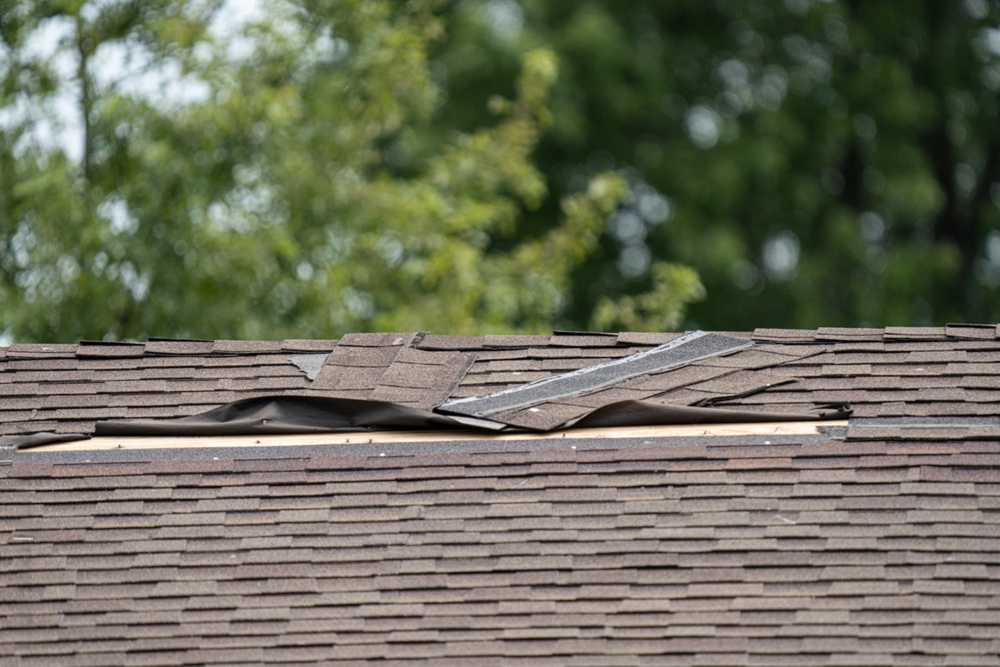
Severe weather can sometimes leave roofing materials displaced or create openings that expose a home to additional rainfall. The immediate priority is protecting people, avoiding unstable areas, and arranging appropriate emergency help after severe roof damage. Acting carefully matters because damaged roofing and nearby debris can create hazards that homeowners should not attempt to address themselves.
Once conditions are safe, document visible damage from the ground and arrange a professional assessment. Keep records of the damage and restoration documentation together for future reference.
Prepare Your Central Iowa Roof With Waddle Exteriors
Storm preparation is easier when you understand your roof’s condition before severe weather arrives. Waddle Exteriors provides roofing and storm restoration services for Central Iowa homeowners, including insurance-related restoration work and communication during the restoration process.
Request a free estimate to discuss roofing concerns before or after severe weather. Contact us when you need professional guidance about roof damage, repairs, replacement, or storm restoration in the Des Moines Metro and surrounding Central Iowa communities.
Frequently Asked Questions
What roof problems should I look for before an Iowa storm?
Look for missing, loose, cracked, or curled shingles, damaged roof edges, gutter problems, and signs of interior moisture. From the ground, also check whether flashing or other visible roofing components appear displaced.
What are common signs of storm damage on a roof?
Visible warning signs can include missing or lifted shingles, displaced roofing materials, damaged gutters, and new leaks. Some hail or wind damage may be difficult to identify safely without a closer professional inspection.
Should I schedule a roof inspection after a storm if I cannot see damage?
A roof inspection after a storm can be useful after significant hail or wind because some damage is difficult to identify from ground level. An inspection can document roof conditions and determine whether repairs are necessary.
What should I do if a storm causes major roof damage?
Stay away from damaged roof areas and avoid climbing onto the structure. Once conditions are safe, document visible problems from the ground and contact a roofing professional to evaluate the damage and determine appropriate next steps.