
After an Iowa Storm, These Roof Problems Shouldn’t Be Ignored
Date Modified: August 28, 2026
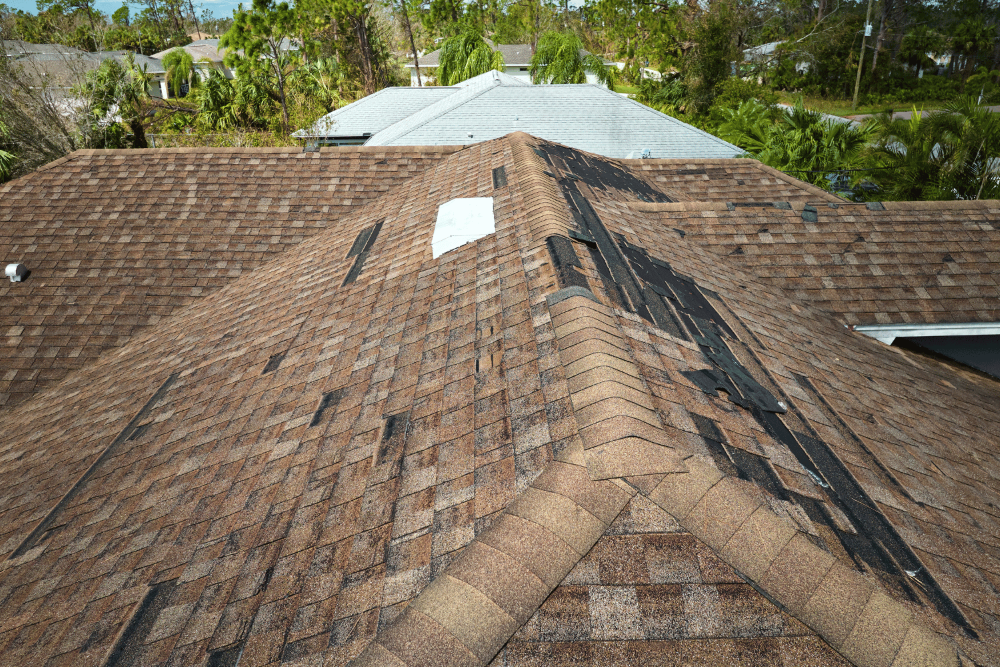
Knowing how to check your roof after a storm in Iowa starts with looking for changes from a safe location. Missing shingles, displaced materials, gutter damage, and new water stains can signal that wind, hail, or heavy rain affected your home.
Some roof problems are less obvious and may not cause an immediate leak. Homeowners in Des Moines, Ames, and surrounding Central Iowa communities should document visible changes and avoid climbing onto the roof after severe weather.
Key Takeaways
- Missing, lifted, or damaged shingles can indicate that strong winds affected the roofing system.
- Hail impacts may leave shingle damage that is difficult to identify from ground level.
- Gutters, siding, and interior spaces can provide additional clues about recent storm damage.
- Professional roof assessments can uncover problems that may not produce immediate visible warning signs.
Roof Damage Signs Iowa Homeowners Should Check After Storms
Some signs of roof damage after a storm are noticeable from the yard, while others require a closer assessment. Homeowners should inspect only what they can safely see without climbing onto potentially damaged roofing. Understanding what does storm damage looks like on a roof helps homeowners recognize when further evaluation is appropriate.
These five areas can provide useful clues about how a Central Iowa roof responded to severe weather.
Look for Missing or Lifted Shingles
Strong winds can loosen shingles, lift their edges, or remove sections entirely during severe thunderstorms across the Des Moines Metro. A ground-level visual check can reveal obvious wind damage to roof shingles without requiring homeowners to access potentially unsafe surfaces.
Finding these changes matters because displaced shingles can leave underlying roofing components more exposed during later rainfall.
Check Shingles for Signs of Hail Impact
Hail damage to roof shingles may appear as impact marks, surface deterioration, or other changes that are difficult to confirm from below. Professional assessment of your roof for hidden storm damage can provide a closer examination when hail has moved through Central Iowa. Identifying questionable areas matters because hail-related damage may exist even when shingles remain attached, and the roof appears intact.
Watch for Water Stains Inside Your Home
Storm-driven rain can enter through roofing areas affected by damaged shingles, flashing, or other vulnerable components. Checking ceilings and accessible attic spaces for new stains or moisture can reveal hidden roof damage after a storm. Interior warning signs matter because water intrusion may continue affecting materials even after the weather outside has cleared.
Examine Gutters for Storm Damage
Hail, wind, and falling debris can affect gutters while the roofing system is exposed to the same severe weather. Looking for loose sections, dents, separation, or drainage problems supports checking gutters for storm-related damage as part of the broader exterior review. These observations matter because damaged gutters may struggle to direct rainwater away from roof edges and the home.
Inspect Siding for Additional Hail Clues
Hail that reaches the roof can also strike siding, particularly on elevations exposed to wind-driven storms around Ames and Central Iowa. Looking for dents, cracks, or other impact marks can help identify signs of hail damage on your siding after severe weather.
Exterior damage matters because impacts beyond the roof can provide additional context about the intensity and direction of a storm.
Next Steps When Storm Damage Needs Attention
Finding storm damage does not always reveal how extensive the problem is or what should happen next. A careful response should focus on safety, documentation, professional evaluation, and preventing additional exposure where possible. These steps can help Des Moines Metro homeowners move from initial observations toward a clearer understanding of their roof’s condition.
The following actions focus on what homeowners can do after potential storm damage has been identified.
Document Visible Damage From a Safe Location
Storm damage can change quickly if another round of rain or wind reaches already weakened materials. Taking clear photographs from the ground provides a record of visible roof, gutter, and exterior conditions after the storm. Documentation matters because it preserves details that may be useful during later roofing and restoration evaluations.
Arrange a Professional Roof Assessment
Some storm-related problems remain difficult to identify because they occur beyond what homeowners can safely see from ground level. A professional inspection can evaluate roofing components more closely when visible clues suggest hidden roof damage after a storm. This assessment matters because identifying the affected areas helps determine whether repairs or additional restoration work may be needed.
Address Openings and Active Leaks Promptly
Missing materials or storm-created openings can allow additional water into a home when another rainfall event reaches Central Iowa. Arranging emergency repairs after severe storm damage can help address immediate exposure while the broader roof condition is evaluated. Prompt attention matters because continued moisture entry can extend damage beyond the original storm-affected area.
Determine Whether Damage Is Localized or Widespread
A few visible defects do not always show the full extent of damage across the roofing system after severe weather. A professional evaluation can distinguish isolated concerns from broader damage affecting multiple roof areas or components.
Understanding the scope matters because repair decisions should reflect the actual condition of the roof rather than one easily visible problem.
Keep Restoration Records Organized
Storm restoration can involve photographs, inspection findings, estimates, repair records, and communication related to the damaged property. Keeping these materials together creates a clearer record as roofing work moves from assessment through restoration.
Organized documentation matters because Waddle Exteriors provides insurance-related restoration work and communication that helps homeowners navigate the restoration process.
Take the Next Step After an Iowa Storm
Roof damage is not always obvious immediately after severe weather, especially when shingles remain in place and no active leak appears. Waddle Exteriors serves Central Iowa homeowners with roofing and storm restoration services when a professional assessment is needed.
Request a free estimate to better understand your roof’s condition after hail, wind, or heavy rain. Contact Waddle Exteriors for straightforward guidance about storm-related roofing concerns in Des Moines, Ames, and surrounding Central Iowa communities.
Frequently Asked Questions
What are the most common signs of roof damage after a storm?
Missing or lifted shingles, visible impact marks, damaged gutters, and new interior water stains can indicate storm damage. Some problems are difficult to identify from the ground, particularly after hail or strong winds.
Can a roof have storm damage without leaking?
Yes. Roofing materials can sustain storm-related damage without producing an immediate interior leak. Shingle impacts, loosened materials, and other less-visible problems may require a closer roof assessment to determine the roof’s actual condition.
How soon should a roof be checked after an Iowa storm?
Homeowners can make a ground-level visual check once severe weather has passed and conditions are safe. A professional assessment is appropriate when hail, strong winds, visible exterior damage, or new interior moisture raises concerns.
Should gutters and siding be checked after a hailstorm?
Yes. Gutters and siding can show dents, cracks, loose components, or other impact evidence after hail and wind. Examining these exterior areas can provide additional context about how severe weather affected the property.