Roofing

Roof and Attic Ventilation

Why Do You Need Proper Ventilation?

Iowa Roofs and attic spaces have two major enemies in all homes: heat build-up and moisture accumulation. Left unchecked these forces can cause a premature deterioration of your Iowa roof structure and materials as well as damaging insulation and increasing energy cost. The only defense is proper attic ventilation.

Balanced Ridge Vent and Soffit Vent

An effective well balanced Iowa roof ventilation system allows air to move in a pattern that results in a uniformly cool attic space prolonging roof life and increasing living comfort.

Shingle Vent II

There are Two Important Keys to Shingle Vent II Performance:

1. External baffle: Shingle Vent’s special baffle deflects wind – even the slightest breeze – up and over the vent, creating an area of negative pressure. This negative pressure actually pulls stale air from your attic, while deflecting rain and snow.
2. Patented, internal weather filter: The patented weather filter acts as an added barrier from wind-driven rain, snow, dust and insect infiltration.
These essential features are exclusive to Air Vent for proven performance and set them apart from the competition.

Here’s How Shingle Vent II Works:

1. External Baffle: deflects wind to create negative pressure over the vent, pumping warm, moist air from the attic.
2. Patented Air Vent Weather Filter: helps provide a barrier from weather, dust and insects.
3. End Plugs: fit snugly into the ends of the vent, helping to protect attic from weather damage.
4. Shingle-over Design: matching roof shingles are placed over the ridge vent, making Shingle Vent II almost undetectable on your roof.

If you are looking for a professional Iowa roofers, please call 877-733-6400 or complete our online request form.

A Certified Iowa Roofing Contractor-Your Best Choice

The life expectancy of your Iowa roof depends on several factors; type of roofing, quality of material, and exposure to harsh weather elements among the top. With regular maintenance and normal weathering factors, a roof can last anywhere from 10 – 100 years.

Common roofing material such as built up roofing usually lasts 12 – 20 years, metal roofing 15 – 40 years, wood shake or shingles 10 – 40 years, asphalt shingles 15 – 20 years, and specialty material like slate up to 100 years under good conditions.

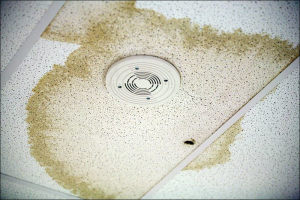
Leaks start as small cracks in roofing material that may not be visible; water may collect in an adjacent area. To detect such damage, a close inspection of the roof may be necessary.

A certified Iowa roofing contractor can be called to avoid further damage to the roof, or personal injury to the homeowner caused by trying to inspect it his or her self. A roof inspection should be performed annually; constant weathering by sun, heat, rain, snow, hail, wind, and cold can cause roofing material to break down. A certified roofing contractor will know what to look for.

A roof and soffit system should be properly vented to prevent over-heating and moisture retention, two factors that can cause a roof to break down prematurely.
Selecting a Qualified Roofing Contractor

A certified, experienced contractor offers various services. From completely tearing off an old roof and replacing it with a new one, to inspecting and “certifying” an existing roof. The latter is a process in which the roof is inspected and “guaranteed” to function properly for a certain period of time; usually 2 years. The contractor takes responsibility for any necessary roofing repair during that period.

A certified contractor in Iowa is knowledgeable of roof system types, materials, and installation procedures best suited to each project, and will ensure there is adequate venting.

Ask potential roofing contractors questions such as whether or not they are licensed and bonded. What liability insurance coverage they carry, and whether it is up to date. Ask which roofing product manufacturers they are licensed and approved by, for installation of products and warranty purposes. Also ask if they are a member of any regional or national trade organizations.

Several resources are available to find a certified Iowa roofing contractor; referrals, local government licensing agencies, and web sites that offer contractors for hire, or a list of contractors who are licensed and bonded.

In Canada, visit www.handycanadian.com for a listing of certified roofing contractors in your area.

Max Sheppard is Co-Owner of HandyCanadian.com: where homeowners locate professional roofing contractors, and qualifying contractors acquire new leads.

If you are looking for a professional Iowa roof inspection contractor, please call 877-733-6400 or complete our online request form.

5 Types of Commercial Roofing In Iowa

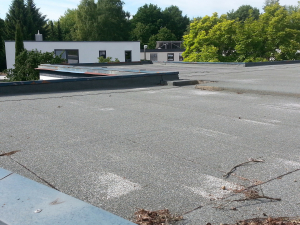
Small and large businesses will often seek a company that can provide them with commercial roofing service that will not interfere with their regular business. Some roofing companies will provide special services just for commercial property. Leaving parking lots free of debris and keeping entry ways free of obstructions so your business can continue to operate smoothly.

There are several types of roofing to select for your commercial building. Selection of course may depend on cost, the slope of your roof, and the weather conditions in your area.

1. Asphalt Shingles

These are the most common type of shingles used on home and commercial buildings today. Reinforced with organic material, wood fibers or fiber glass, these shingles can last from 20 to 30 years. Laminated shingles are also made of asphalt but come in a variety of colors and textures that give this shingle the appearance of more expensive shake or slate tiles. These more popular shingles can last between 25 and 50 years.

2. Metal Roofing

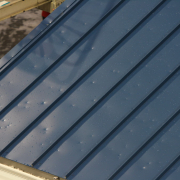
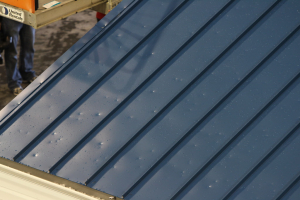
Steel, Aluminum, Standing Seam, Metal Tie, and Copper are just a few of the metal roofing materials used today as commercial roofing. If installed correctly, metal roofing may last between 30 to 50 years, which is just as well as the more expensive asphalt shingles. Metal roofing is not as costly as slate or tile roofing. In the past colored aluminum roofing has been known to fade, oxidize and peel, but many manufacturers have found the solution to this problem. This type of roofing can withstand most extreme weather but has been known to dent when hit with hail. Now a new granulated coating is offered to prevent this outcome. Copper is another option, though more expensive than aluminum. With a copper roof you can expect it to last up to 100 years.

3. Wood Shakes

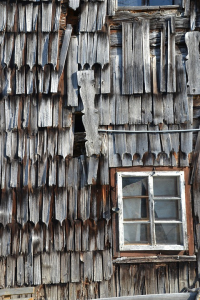
Most roof shakes are made of treated pine, spruce or more commonly, cedar. Hand split shakes off that rough and thick look many seek. Most wood shingles are actually cut using a machine. This gives it a smooth finish, making it easier to install. Cedar is the first choice in wood shakes, offering up to a 30 year life. When shakes are first installed, they appear brown or red in color but expect the weather to fade the real wood and leave it a soft gray. Installation for wood shingles can run as much as 50% higher than other types of roofing.

4. Slate Shingles

Slate shingles are heavy and harder to install. Though they are easily breakable, they can add beauty to any home. This roof can last from 45 to 70 years and some claim it will last over 100 years if installed properly. These colorful and rich shingles will add a high price to your structure, costing as much as 400% more than other materials.

5. Tile Roofing

Tile is often made from clay but can also be made of concrete or even rubber. There is a large variety of colors and styles of tile roofing available today. Clay is more expensive than concrete tiles but the basic performance, durability and look of the tiles is the same. Lasting more than 50 years, this type of tile is often very heavy and your roof may need extra support.

Whether you have a new structure to roof or are re-roofing your commercial building, be sure to select the Iowa roofing company that can do the best job for you. Selecting a company that has completed roofs for commercial structures before will be your best bet. Ask if you can view a job they have completed recently. Be sure to ask about your specific needs, such as a flat roof often found on commercial buildings, heating, air vents and other roof obstructions. Also ask to see their roof installation license.

Ronald has been in the roofing industry for over 15 years and has worked in residential and commercial environments. To get classic roofing tips and step to step instructions on picking and installing the perfect roof for your home, visit http://www.dtsarchitects.com, his roofs site.

If you are looking for a professional Iowa roofers, please call 877-733-6400 or complete our online request form.

What To Look For Roof Replacement

As we move into the heat of summer it’s a good time to make sure your Iowa roof is in good condition. Roof repair and restoration is one of those things that, left too late, can cost you a lot more than an insurance premium. Furthermore your roof can take up to 40% of the exterior of your home, a professional Iowa roof restoration will greatly improve the overall appearance of the home and it’s value.

Cement Tile Roofs

Cement Tile Roofs tend to last about 12- 15 years depending on a number of factors before they are in need of a roof restoration. A good way to see if your cement tile roof is in need of restoration is to look for any cracked, broken or chipped tiles and whether the ridge capping needs to be re-pointed. In addition you’ll want to look for color fading or any moss, lichen and fungus on the roof.

Terracotta Tile Roofs

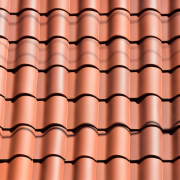
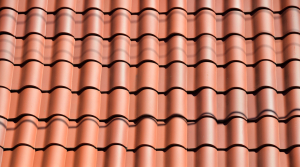
Terracotta Tile Roofs tend to last about 12-15 years before it is in need of a terracotta tile maintenance package. A good way to check if your terracotta tile roof is in need of maintenance is to look for cracked or broken tiles and leaks from the roof.

If you are looking for a professional Iowa roofers, please call 877-733-6400 or complete our online request form.

The Enemies of a Iowa Roof

A Iowa roof system’s performance is affected by numerous factors. Knowing about the following will help you make informed roof system buying decisions:

Sun: Heat and ultraviolet rays cause roofing materials to deteriorate over time. Deterioration can occur faster on the sides facing west or south.

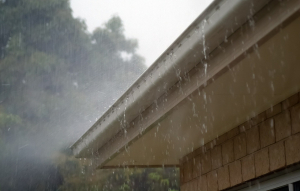
Rain: When water gets underneath shingles, shakes or other roofing materials, it can work its way to the roof deck and cause the roof structure to rot. Extra moisture encourages mildew and rot elsewhere in a house, including walls, ceilings, insulation and electrical systems.

Wind: High winds can lift shingles’ edges (or other roofing materials) and force water and debris underneath them. Extremely high winds can cause extensive damage.

Snow and ice: Melting snow often refreezes at a roof’s overhang where the surface is cooler, forming an ice dam. This blocks proper drainage into the gutter. Water backs up under the shingles (or other roofing materials) and seeps into the interior. During the early melt stages, gutters and downspouts can be the first to fill with ice and be damaged beyond repair or even torn off a house or building.

Condensation: Condensation can result from the buildup of relatively warm, moisture-laden air. Moisture in a poorly ventilated Iowa attic promotes decay of wood sheathing and rafters, possibly destroying a roof structure. Sufficient attic ventilation can be achieved by installing larger or additional vents and will help alleviate problems because the attic air temperature will be closer to the outside air temperature.

Moss and algae: Moss can grow on moist wood shingles and shakes. Once it grows, moss holds even more moisture to a roof system’s surface, causing rot. In addition, moss roots also can work their way into a wood deck and structure. Algae also grows in damp, shaded areas on wood or asphalt shingle roof systems. Besides creating a black-green stain, algae can retain moisture, causing rot and deterioration. Trees and bushes should be trimmed away from homes and buildings to eliminate damp, shaded areas, and gutters should be kept clean to ensure good drainage.

Trees and leaves: Tree branches touching a roof will scratch and gouge roofing materials when the branches are blown by the wind. Falling branches from overhanging trees can damage, or even puncture, shingles and other roofing materials. Leaves on a roof system’s surface retain moisture and cause rot, and leaves in the gutters block drainage.

Missing or torn shingles: The key to a Iowa roof system’s effectiveness is complete protection. When shingles are missing or torn off, a roof structure and home or building interior are vulnerable to water damage and rot. The problem is likely to spread-nearby shingles also are ripped easily or blown away. Missing or torn shingles should be replaced as soon as possible.

Shingle deterioration: When shingles are old and worn out, they curl, split and lose their waterproofing effectiveness. Weakened shingles easily are blown off, torn or lifted by wind gusts. The end result is structural rot and interior damage. A deteriorated roof system only gets worse with time-it should be replaced as soon as possible.

Flashing deterioration: Many apparent roof leaks really are flashing leaks. Without good, tight flashings around chimneys, vents, skylights and wall/roof junctions, water can enter a home or building and cause damage to walls, ceilings, insulation and electrical systems. Flashings should be checked as part of a biannual roof inspection and gutter cleaning for your Iowa home.

If you are looking for a professional Iowa roofing contractor, please call 877-733-6400 or complete our online request form.

A New Roof Gives You Peace of Mind – But Which One To Choose?

Considering how important your roof is to the structural integrity of your Iowa home, it is a good idea to get up there and check on it on a regular basis. A good roof should keep out water and drafts, keep warmth in, stay on in a bad storm, and ideally, look good.

Even minor leaks can cause major damage if they go unnoticed. If a leak develops, it should be immediately patched, and plans made for a completely new roof. After all, where there’s one worn out spot, chances are there’ll soon be another. If your roof is nearing the end of its warranty, you might consider replacing it before a leak develops. This way you avoid any risk of damage to the frame, insulation, or any interior parts of your roof.

With so many roofing options in Iowa, choosing the right one for your home can be difficult. Here are a few options available, and an explanation of their pros and cons.

Asphalt shingle is a readily available and relatively inexpensive roofing option, and consequently the most popular. There are two types of asphalt shingles, one made of glass fiber coated in asphalt, and the asphalt saturated, felted paper variety, also known as organic shingles. The organic variety tend to be heavier due to a higher asphalt content, making them useful in areas of strong winds. Both varieties have a top coating of ceramic granules which not only give them an attractive finish, but protects the asphalt from UV rays. Asphalt shingles are estimated to last about 15-20 years. The glass fiber variety tends to be cheaper. As for which is better, that really depends on your needs.

Ceramic tiles, those made of fired clay. Before asphalt shingles became widely available, ceramic tiles were very popular for sloped roofs, especially in Europe. One major advantage is they are fire-proof. Another is that the water collected off a ceramic roof is drinkable-ceramic does not leach petroleum toxins into the water like asphalt shingles do. They are also heavy, which can be a pro or con, depending on the structure of your home and the weather in your area. Heavy roofing material requires a strong frame and especially strong cross-beams, but it is more likely to stay in place during strong winds.

If they are high quality, ceramic tiles can last 50 to 70 years, so although they are more expensive than asphalt, they are often worth the investment. However, poorly made tiles with inconsistent enamel finishes can deteriorate far sooner, so if you are going to invest in ceramic tile, invest in the best.

Asphalt and ceramic shingle are just a couple of options for a new roof. More will be discussed in a follow-up article.

If you are looking for a professional Iowa roof inspection contractor, please call 877-733-6400 or complete our
online request form.

Don’t Goof – Inspect Your Roof

When people are buying an Iowa home, especially first time home buyers, they often get caught up in an overwhelming whirlwind of emotion and in the excitement of anticipation of home ownership often overlook the need for property inspection. It costs a couple hundred dollars to get a professional property inspection but it may well be worth the money. An intelligent way to write a purchase offer is with a clause that says: “This offer subject to professional property inspection acceptable to buyer”

Having been in the real estate and mortgage business for a number of years, I know that most people who read this advice will not act on it. Nope, people will do what people will do. Knowing that, I have a tip to give you that, if you don’t use, makes you a pretty foolish person and it is this:

Write all your offers on home with the following clause:

“This offer subject to roof inspection acceptable to buyer”

Besides the foundation, The roof is one of the most expensive repair jobs a home may require and the roof is often the most overlooked part of a home, especially important on older existing housing. But the key to a roof inspection is they can be free! How you ask? Simple, write your offer as indicated above and then call three (3) roofing companies and ask them if they do free roof inspections. Most companies will because their competitors will and in order to get business, they will check out your roof for free. If you have difficulty with a roofing company, try a few more. You see, when a roofing company comes out to the house they are looking for problems because roofing problems make them money.

You don’t have to tell them you are contemplating buying the home although it would not necessarily hurt your cause if you did. The other option is that you get on a tall ladder, climb on the roof yourself and check it out (risking a possible fall, possible extensive injury or death). It is safer to use the roofing company, right?

In the event that your area is unique and Iowa roofing contractors won’t inspect your roof for free, if the price is right, it may be worth your time. This same free inspection angle will also work by getting inspections and free estimates on the foundation, the HVAC and any other area of the home. The key: make a few phone calls to businesses in your area to see what their inspection policies are, whether they are free or there is a small fee. This will save you the cost of a professional home inspection AND for the things that ARE found deficient with the home, the free estimates can be used as bargaining chips to reduce the selling price of the home, pretty cool, right?

If you are looking for a professional Iowa roof inspection contractor, please call 877-733-6400 or complete our online request form.

Repairing Roof Shingles

Every do-it-yourself project-builder understands how important it is to know how to repair roof shingles. Fortunately, most projects relating to repairing or replacing roof shingles are basic enough that they can be tackled by the homeowner and won’t require the services of a contracted professional. However, it is important to realize that working on roofs pose a serious threat of danger, and it is vital to ensure your safety before working on a roof.

If you don’t trust your abilities than you should contract a professional who is trained and more secure in handling roof work. If however, you feel comfortable working on your roof, and then by all means, you should engage in the project and repair the shingles yourself. Some roofs may require you to replace individual shingles, or you may need to tear off the old shingles and install new ones. When roof shingles become damaged, they can cause your roof to leak and suffer damage.

The first step in repairing roof shingles will be to gently lift the shingle tabs that are holding the shingle in place. It is also important to note if the broken shingle is actually nailed in or if it is a shingle that is adjacent to the broken one that you are replacing. You will need to carefully lift up the shingle tab, and then you can pry up on the nail head and remove the nail. Once you have access to the broken shingle, you can remove it easily.

It is also a good idea to keep extra roof shingles on hand. Many times, new homeowners discard extra roof shingles, not thinking that they will need them in the future. However, it is inevitable not to lose some roof shingles throughout the longevity of being a homeowner. By saving your shingles, you can ensure that when it is time to make repairs that you will have matching shingles readily available.

After you have removed the damage shingle, simply replace it with your new shingle, cut a new tab for it, and then secure it with roofing nails. You may also choose to use roofing tar to secure the shingle down and fill in any gaps that you notice. It is also important to replace any nails that were removed in any shingles that were adjacent to the damaged shingles.

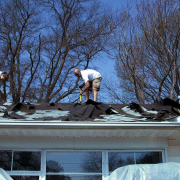
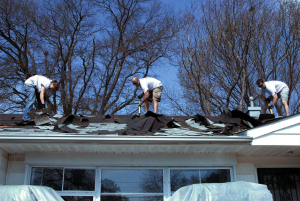
If you are going to replace all of your shingles and start a new installation, then it may be beneficial to have a friend help you who has experience with roofing. If you feel confident in doing the project then you will begin by removing the existing shingles. This is accomplished by tearing the old shingles off. This can be accomplished by using a variety of tools. Pitchforks, shovels, and shingle scrapers are all used in the scraping and removing of existing tiles. With the shingle scraper, you can simply insert the scraper under the shingle, then lift. The scraper pries up the old shingles including any roofing nails. After you have removed all of the old roof shingles, you can then install the new shingles.

If you are looking for a professional Iowa roofing contractor, please call 877-733-6400 or complete our online request form.

Everything You Wanted To Know About Roofing

All homes are built with a few common essentials. Walls, doors, windows, and beams are a few components that are common to all, whether a small cottage or a high-rise skyscraper. The roof of a house is one of the most important aspects of any construction. Selecting the right roofing option in accordance with the climatic conditions can go a long way in providing an long-lasting and beautiful home.

Since the roof is one of the most important external elements of a house, it should not only be durable, but also have an aesthetic appeal. There are several different roofing options available today. Although asbestos is a cheap and popular material, it is fast being replaced by tiled and metal roofing. These alternatives prove to be long lasting and also tend to reflect direct heat to a greater extent as compared to asbestos. Apart from different roofing materials, the homeowner can also use a variety of external paints to coat the roof. These paints not only add color to the roof, but also provide insulation from extreme heat and are resistant to mildew and algae.

To maintain longevity of the roof, the homeowner must undertake regular repairs and maintenance. This is important as the roof takes a lot of damage from the elements of nature, compared to any other part of the house. This tends to necessitate routine “wear and tear” roof repairs. Care should be taken to ensure that no trees are growing in close proximity as falling branches may damage the roofing.

The roof may also develop black streaks, which is an indication of a mold, algae or fungus growth. These conditions are common in areas of high humidity and may lead to the weakening of the roof structure and leakage problems.

The homeowner may undertake minor roof repairs. However, it is advisable to consult a specialist in case of major repairs. A good roof is a crucial component of a well designed home. Maintaining a house maybe difficult, but by utilizing the right roofing materials, one can minimize future problems.

Author: Josh Riverside

If you are looking for a professional Iowa roof inspection contractor, please call 877-733-6400 or complete our online request form.

Why Roof Replacement in Iowa is a Major Home Improvement Project

Roof replacement in Iowa is a noisy, dirty and very laborious kind of job. The people living in the house have to be prepared to undergo some amount of discomfort if they intend to stay within the house while the repair is being done. Roofing cement is the equivalent of duct tape for roofs. It will repair most leaks, cracked or torn shingles, patch flashing around vent pipes and chimneys. Obviously this is not a good option for the long term and you must take action and plan for the future as soon as possible to avoid interior damage.

Roofing material replacement is costly and quality installation is needed for the roof to last. When inquiring with roofing companies we recommended that you chose a company that will be here for the long run, just in case. Roof repair companies will most likely advise you to replace your roof and pay them to do so. It is wise to investigate alternative sources of information, specifically unbiased sources which are not seeking to sell anything. Roofing systems must also achieve a balance of durability, cost, weight, appearance, manufacturability and ease of installation when being considered for use. Regrettably, previous products have not made use of maturing technologies and advanced material applications now available from the Aerospace field.

Wind direction plays an important role, as well as roof pitch. A direct impact of hail on a shingle is more damaging than that of a glancing blow. Wind blow-off coverage ranges from winds of 60mph to 110 mph. Labor costs for replacing damaged shingles is for three to 10 years. Also, Windows and Doors are components that may need light scraping and painting to appear new and operational.

Roofs with shingling set directly on solid sheathing and where there is insulation packed tightly between the wooden rafters without adequate ventilation run the risk of condensation-related moisture damage to wooden roofing components. This is particularly true for air-conditioned structures. Roofs are subject to extremes of temperature, receiving the full exposure of the sun as well as suffering from the extremes of cold. No other part of the average home sees a wider cycle of temperatures.

Roof replacement is rarely a choice someone makes because they prefer a different color or some other cosmetic change. For most of the world, roof replacement is expensive and an investment that is made when there is no other choice. Roof replacement is a major home improvement project which can be costly. Homeowners want to ensure they use only the best roofing professionals, equipment and materials for their new roof. If a Roof replacement is then required make sure you select a color that you can live with for many years to come.

Roof framing should be designed at 20 pounds per SF, so there is no danger of collapse, however, snow and wind loads may cause deflection. Heavy weight shingles can be 50% heavier than standard or 20-year shingles.

As always just be sure to do your homework when trying to find the best Iowa roofing contractor for the job. The lowest price is not always the best way to go and if you choose to make your final decision on just that fact, be prepared to be disappointed most of the time.

If you are looking for a professional Iowa roofers, please call 877-733-6400 or complete our online request form.