Roofing

can you roof in the rain

Can you Roof in the Rain?

When working on roof repairs or a new roof replacement, timing is critical. While everyone would want to schedule this type of work to be done on days when the weather is great and optimum, this isn’t always the case. Most of the time, roof repairs have to be done as soon as possible. Installing a roof can take more than just a day and scheduling with a roofer will also depend on their availability, especially if you want to get your roof done in the fall when so many other homeowners are booking roof repairs, maintenance, and replacements in preparation for the winter. 

Hence, no matter what the weather, your roofers may have to get started on your roof. But what if it starts raining? Can you still roof in the rain?
can you roof in the rain

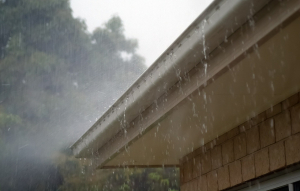
Unfortunately, you can’t. While no one wants to put a stop to a roofing project or cause any unnecessary delays, there are actually a number of reasons why roofing in the rain is not advisable.

Reason 1 – It is not safe.

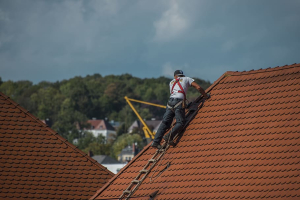
People who work on roofs in the rain put their own safety in danger. When working on a roof, you need to have good traction to avoid slipping and falling. The water makes the surface slippery and if your roof has a high slope, it becomes a highly dangerous area to work on. Working on a slippery and sloping surface that is nearly thirty feet above the ground will lead to major injuries.

Another thing that makes it dangerous is the possibility of lightning during raing. While thunderstorms are beautiful sights from a distance, standing on top of a roof during one probably is not the smartest thing to do. 

Reason 2 – It can cause more damage

When repairing a roof, there are certain parts that need to be removed during the process. When it is raining and you remove a few layers from your roof, you are exposing the interior structure to the downpour. Instead of repairing the damaged area, roofers who do repairs in these conditions will only end up furthering damage by leaving moisture trapped inside or even causing pools of water to collect inside the roof. 

Additionally, many roofing materials will be damaged even before you install them on your roof. New asphalt shingles, insulation layers, and other materials are not completely waterproof and if exposed to heavy rain prior to actually being installed on a roof, you’ll end up having a faulty roof within a week from installation. 

While it is completely understandable to want to get things done as soon as possible, there is a much higher risk for the people working on the roof and the roof itself when it comes to roofing in the rain. Unfortunately, these are the times when one’s patience is truly tested. When your roof starts leaking or even when you’ve been long excited to get that new roof installed after waiting for weeks for an open schedule, checking on weather forecasts and ensuring that roofers stop and cover up at the first sight of rain should be done, especially if you want to avoid further damaging your property.

What Should I do Instead?

Aside from just waiting, there are still a few alternatives available. 

If your roof needs repair during the rainy weather in the summer, we suggest calling our expert team at Wade Exteriors to get a good run through of your options. Often, we’ll start by placing a tarp over the leaky area to help prevent more water damage and wait for a window of dry weather to get the work done. Once mother nature gives us a sunny day or two, we’ll have your roof repaired and looking like new in no time at all.

Summary – Can You Roof in the Rain?

Short answer? No. 

The main reasons supporting this is because it is not safe for the people working on your roof and because it will only cause more damage to your property. 

Here is a summary of the reasons to Avoid Reroofing in the Rain

  1. It puts your home at a greater risk for water damage.
  2. A slippery, wet roof puts your contractors at risk.
  3. You risk ruining the integrity of your new roof.
  4. Shingles will not stick to a wet roof.
Related Articles

metal roof leaking at ridge

Metal Roof Leaking at Ridge

Metal roofing is a great option for both residential and commercial properties because it is a durable, user-friendly, and long lasting material. Whether you are considering a roof extension for your home, or replacing your home or business’ roof entirely with a modern and new metal roof system, there are several benefits to using this material. However, like many other things, there are also a few downfalls when it comes to having a metal roofing system. 

Unfortunately, in areas where storms and heavy rain are frequent, there is also a relatively higher chance for your metal roof to start leaking at the ridge. While it may seem like a normal problem that requires a quick fix, metal roof leaking can become quite serious, especially if not attended to as soon as possible. When your metal roof starts leaking at the ridge, you have to take the necessary steps to fixing this problem in order to prevent further damage. 

metal roof leaking at ridge

However, before we go on to discuss these important steps, we must first answer the question –

What is the Ridge?

In metal roofing, the ridge refers to the topmost part of the roof. In roofing terms, this refers to the peak of the roof. At this point of the roof, this sis where 2 or maybe even more pieces come together. Usually, this area is covered by a ridge cap to prevent water from seeping into the space between the adjoined pieces. The ridge cap should effectively cover the seams in order to prevent leaking. When there are any signs of leaking right below that area, there is likely a problem with the ridge caps on your metal roof. However, there can also be other reasons for the leak.

Why is the Metal Roof Leaking at Ridge Such a Problem?

Leaking, from any part of a metal roof, is problematic since it can mean that there may be major damage in certain portions of the roof. Aside from just having a hole that requires patching up, a roof leak could bring to question the entire structural integrity of the roof structure. There is always a chance that the water has damaged the interior of the roof. 

However, a leak or water infiltration at the ridge, especially if you have a metal roof can be quite problematic. In the first place, it is much harder to discover the primary cause of the leakage. Some of the possible options include improper sealing along the ridge due to loose or damaged ridge caps, faulty installation of the ridge vents, or a problem with the alignment of the metal roof seams. Each of these cases is a possibility, and each one requires a different solution.

Another reason why leaking at the ridge of your metal roof is a problem is because it can take a while to actually notice the leak. This can lead to build-up of mold, mildew, and algal growth over time. And by the time the water actually starts dripping, it will probably be after some major internal damage has been done.

What Can Be Done?

One of the best things that you can do for your metal roof is to prevent leaking in the first place. This can be done by having your roof regularly inspected, preferably by a professional who is familiar with the building codes and regulations of your area. Not only is this essential for maintaining the health of your roof, it is also a great way to spot minor issues before these become major problems that become dangerous and more expensive to repair.

However, if you do find that your metal roof is starting to leak from the ridge, the best step to take is to contact your local roofing contractor. With our expertise at Wade Exteriors, our team will be able to spot the main cause of the leakage, identify the extent of damage, and provide you with the right methods to fixing the problem. 

While you might be tempted to get up on your roof yourself and fix you metal roof, we suggest to avoid doing this because it poses a high risk for your safety. When a roof starts leaking, there is a high likelihood that damage has already been done and when you put extra weight on a damaged roof, it may even cave in. Not only is this dangerous, but you end up damaging the entire roof as well as other parts of your home. 

Related Articles

cold applied modified bitumen roofing

Cold Applied Modified Bitumen Roofing

There are different materials which can be used on commercial buildings. One of the popular choices in commercial roofing is the use of cold applied modified bitumen roofing. This material was first introduced and used in Europe in the 1960s and was later brought to America in the 1970s. For the past decades, bitumen roofing has grown more and more popular and is now a top choice for flat and low-sloped roofing commonly on commercial properties.

Cold Applied Modified Bitumen Roofing

What is Modified Bitumen?

Modified bitumen roofing is made of polymer modified bitumen which is further reinforced with one or multiple layers of fabric which could be a material such as polyester, glass fiber, or even a combination of both of these materials. This type of roofing can be installed on a property through conventional methods or it can also be self-adhered to the underlying structure.

For property owners, there are mainly two types of modified bitumen membranes to choose from.

Atactic Polypropylene (APP) 

APP is a modified bitumen roof which consists of a thermoplastic polymer. This can either be heat-welded or can also be torch-applied. The end result of this type of roofing gives asphalt a plastic-like finish.

Styrene Butadiene Styrene (SBS) 

SBS bitumen roofing is a modified bitumen roof type that is installed with the use of cold adhesives or hot moppings of asphalt. This type of roofing can also come with some form of adhesive backing. The end result for this type of roofing is more rubber-like in quality.

Modified bitumen is a material that is made in manufacturing factories and is sold in sheets. The material has a consistent thickness. Bitumen roofing membranes can have 1 or even multiple bitumen sheets and also make use of a roofing felts along with those sheets.

Cold applied modified bitumen roofing membranes are not a new addition to the roofing industry. This method of application has been in use for quite a while and is becoming more and more favored due to the various benefits it provides. One of the advantages of this type of roofing is that it does not require the use of fire for installation, making it a much safer and easier method to use. 

For cold applied bitumen roofing, the use of solvent-based membrane adhesives was one of the first methods of cold applications. Recently, there have been newer and more effective self-adhered systems that can achieve full bond strength. This allows roofers to enjoy time and labor-savings in any season.  

Why Choose Bitumen Roofing?

The use of modified bitumen roofs is recommended for commercial roofing because of its longevity, strength, waterproof properties, and energy efficiency.

A modified bitumen roof can typically last up to 2 decades with minimal need for maintenance and repairs. During this time, bitumen roofs are able to stand against hot or cold weather conditions, especially when the roof has been reinforced with multiple layers of bitumen sheets. Aside from longevity and strength, bitumen roofs are also waterproof. The adhesives used to attach modified bitumen provide protection against water damage. Furthermore, modified bitumen roofs have been found to be energy efficient, providing an added insulation layer that keeps heat both inside and out of your property.

Modified bitumen membranes can offer exceptional weatherproofing protection, but only proper application will ensure longevity. In order to avoid any issues in terms of installation, it is best to seek the expertise of a licensed roofing contractor and work only with the right team. 

It is essential that your roofer knows how to follow manufacturer recommendations and guidelines on installation, especially in terms of application temperatures and ambient conditions. 

While bitumen roofs are a low maintenance roofing option, it is still necessary to get regular roof inspections and work on any maintenance and repairs as soon as possible to avoid further property damage and to also avoid higher costs in the future. While property owners or even your maintenance staff can do these checks, getting the help of roofing contractors who can spot minor problems and early signs of damage would benefit you in the long term.

The use of Waddle Exterior’s services will also eliminate the risks of injury during the process. Keeping any inexperience or untrained individuals safe. This will also allow a specialist to inspect, assess, and evaluate the entire roof system, whether modified bitumen or other type of roofing material, for concerns or issues that may or may not be immediately apparent.

Related Articles

questions to ask your roofer

Questions to Ask your Roofer

Prior to hiring a roofing contractor, most homeowners do their research. They need to know who the best contractors are in the area, how much their roofing project could potentially cost, and a number of other things. Like most homeowners, you probably want to get the job done right. In order to achieve that goal, picking the right roofing contractor is key.

In order to be able to choose the right roofer, you also need to ask the right questions.

The first step is determine a potential roofer’s credibility by knowing their business name, insurance coverage, and who works for them.

Before even considering a roofing contractor for a job, you first need to make sure that they are credible. This is essential to protecting yourself from getting a faulty roof installation that could potentially harm your family, cause more damage, and cost even more in the long run.

questions to ask your roofer

One of the first questions that you should ask is: What is your legal business name?

It is important to get a roofer’s legal business name so that you can make use of this information to check on state or federal directories to, first of all, make sure that they are registered, certified, and are an actual legitimate roofing company, and to also check if they are certified with certain roofing manufacturers, especially if you are hoping to use certain roofing materials that require installers to be trained in the proper installation methods of the product.

If your roofer gives you the run-around when you ask this first question, that is a major red flag that they may not be as reliable as you expect. Some companies may have their roofing company under another legal business name. In that case, you might want to follow up on the reasons for them doing so and also to make sure that they aren’t using another company’s name to boost their credibility.

To be on the safe side, if they sound unsure of what their legal business name is – they are probably not the right team to be handling your roof. No roofer should have trouble emailing you a copy of state licenses or proof of insurance.

The next question to ask is this: What level of roofing insurance do you have?
Insurance coverage can be tricky, especially when it comes to roofing. There are many different levels of roofing insurance in the state. The type of insurance that a company has also depends on the type of contractor they are. There are certain insurance requirements that a roofing contractor needs to meet in the area before they can work on your home. The important thing is that their insurance covers the minimum requirement.

After getting their business name and insurance coverage, you should also ask your roofer: Who will be on the job site during my roofing installation?

Most well-known roofing contractors have more than 1 roofing project to attend to per day. And they usually have tons of teams working under them. The company owner may not be available during your schedule and when this happens, you need to know who is going to be managing the whole project to ensure that it goes smoothly.

Most reputable companies have designated project managers to handle this. The goal of the project manager is to make sure that all steps of the installation process proceed as planned and that the roof is installed according to the legal requirements and manufacturer guidelines.

The above questions are just some of the essentials that you need to cover in order to determine the roofing contractor’s credibility. A few other questions that you should definitely pitch to get an even better idea of your potential roofer’s experience, expertise, and work process to assess whether they are the right team for your project include…

  • Which parts of my property do you need to inspect to give me a cost estimate?
  • Can you provide a detailed breakdown of expense?
  • How does the material affect installation costs?
  • Can you provide price for possible repairs that are commonly associated with roof installation or replacement?
  • What is the cost of roof removal?
  • Does the cost estimate you provided factor in the cost of materials?
  • Will you provide at least three references for my research?
  • What are your guidelines when processing a warranty claim?
  • How will you protect your workers’ safety while on my property?
  • What steps will you take to avoid damaging my home or property during installation?
  • How will you ensure the project is completed on time?

Related Articles

tpo vs epdm vs pvc

TPO vs EPDM vs PVC

There are so many different roofing options readily available to property owners today. When making a choice, there are also so many factors to consider – aesthetics, durability, resistance, cost, and many others. 

One of the more popular options in the market right now is the use of single-ply membrane systems, such as TPO, EPDM, and PVC roofing. These are all different materials which are commonly used for single-ply roofing on commercial properties. Recently, there have been a spike in the number of homeowners using this type of roofing as well.

Why?

Read on to find out the specific properties, advantages and disadvantages of these materials.

EPDM Roofing

EPDM, ethylene propylene diene monomer, is a synthetic rubber material that is commonly used in roofing applications, as well as in other outdoor applications, due to its high tensile strength, durability, flexibility, and high resistance to varying weather conditions. EPDM roofs can last decades with minimal maintenance because regular day-to-day and seasonal temperature changes do not cause it to wear out quickly. The material does not easily change its shape when exposed to hot or cool temperatures. It has a thermoset property that enables it to retain its shape in these conditions.

This material is typically available in sheet rolls which are relatively easy to install. However, when installing EPDM roofing, we would not recommend it as a DIY project. For this type of roofing, getting a professional to do it will ensure quality workmanship. It adheres to the roof structure with high strength adhesives and tapes. Aside from being durable, EPDM rubber is also waterproof. Thus. you also create a water and moisture barrier between the environment and your home.

Aside from those properties, another advantage of an EPDM roof is that it is highly impact resistant. It creates an effective defense system against hailstorms, windblown debris, and other materials that could potentially damage your roof.

TPO and PVC

Aside from EPDM, other single-ply membrane options include TPO and PVC materials. TPO. which is thermoplastic polyolefin, and PVC, which is polyvinyl chloride, are both materials that change their shape when there is a change in temperature. Aside from this, another thing that these materials have in common is that they are both white or reflective in appearance.

However, despite not having the thermoset property that EPDM roofing has, these materials are just as durable as EPDM roofing. These materials also offer another set of advantages that are not provided by EPDM roofing systems.

A major benefit to using TPO or PVC roofing is that it provides resistance against certain chemicals and bacteria. Things such as oils or animal fats, which could end up damaging other roofing materials, will not damage your TPO or PVC roof.

The white color of this material is also another benefit. Aside from being aesthetically pleasing, the material also adds a cooling effect to your roof. When properly installed, your TPO or PVC roof will be able to control temperatures around the building, as well as inside it. This is owed to the naturally reflective property of the material which also makes it more energy efficient than the black EPDM alternative, especially during the summer time.

EPDM vs TPO vs PVC

After learning about these different materials, you’re probably wondering which one is the better option for your property. However, as with any other decision anyone makes, the best option is not always objective. In this case, the best roofing option is completely dependent on your property as well as many other factors. 

When you take into consideration the inherent properties presented by these different materials, you might be able to pick out which material is the best for you. However, we are also here to help. If you need expert advice on what the best roofing material for your property is, we are readily available to help you out. Our years of expertise and experience in roofing will help us guide you towards the right decision.

Choosing the best roof for your commercial building involves careful consideration and decision-making. Aside from the many options available – many of which you probably have no clue about – you also need to factor in things like typical weather conditions which your property is often exposed to, the building’s design and architectural style, and even what your business does or makes. 

Single-ply membrane systems are great for a range of business and building types, but you need to consult an expert commercial roofing resource like Wade Exteriors to get the best performance from your roof. 

Related Articles

are roof warranties worth it

Are Roof Warranties Worth it?

Getting a new roof is no easy expense. However, so many people still get in a doozy when they see the cost on their roofer’s proposals. Like many other construction projects, the budgets are often stretched when it comes to any roofing replacement, repair, or installation. Not only is there the cost of the materials, the cost of labor and equipment also needs to be factored in. With prices constantly rising, many homeowners are now asking the question – are roof warranties worth it?

When you look at the cost of a roof warranty and compare it to the cost of roof repairs and replacement, it might seem like an easy comparison as the latter seems a lot higher than the former. However, a common mistake that homeowners make is the assumption that ahaving a 30 or 50 year warranty means that throughout that span of time, any damage to your roof will automatically be repaired by the contractor. 

Unfortunately, it doesn’t work that way. It is important to learn about some of the major differences between workmanship warranties and manufacturer roofing warranties.

are roof warranties worth it

For starters, there is a difference between the manufacturer warranty on the product and the workmanship warranty by the contractor. The manufacturer warranty covers any damages to the product. However, this typically only covers pre-existing defects from the factory or any damages that may have occurred during shipping and transport. When your roof is damaged to typical wear and tear over time, your manufacturer’s warranty won’t cover the cost for new materials. The workmanship warranty, on the other hand, is the warranty that covers the services needed for repairs or installation provided that the damage or defect to your roof is due to installation error or something that the contractor did. These warranties usually come at no added cost when you purchase new roofing materials or get a certified contractor for the job. However, there are some things you need to know before you rely on these warranties.

When you look at roofing manufacturer warranties, there are many differences between what certain companies offer. Warranties vary and this is usually dependent on the type of material the product is made of. For example, asphalt shingles are typically made to last 20 to 30 years. Most manufacturer warranties cover between 20 to 50 years provided that you can prove that the product was defective. Usually, if the shingles last for only 10 years, you’ll have a hard time proving that the shingles were defects. That aside, newly installed shingles that start to fall off or become damaged within just a few weeks may be subject to this warranty. 

However, the likelihood of newly installed roofings materials to fall off right after installation is not that likely. Even when it does, most cases are usually caused not by a product defect but by construction errors. When you hire a roofing contractor that does not have the right level of skill, expertise and experience, a ton of things could go wrong. In these cases, manufacturer warranties become null and void. So, you will have to rely on your contractor’s service warranty.

It is essential that homeowners keep themselves informed, especially when it comes to the warranty their roofing contractor offers. If something goes wrong with the roof, the installer’s company is the one you would call. Unfortunately, these warranties don’t last as long as manufacturer warranties. While manufacturers provide decades of warranty coverage, roofers typically offer only a year or two. 

As a homeowner, when was the last time you checked to see what the warranty from your roof system manufacturer covers?

If you haven’t recently suffered a leak, the answer might be never – and you may have an erroneous idea of what your warranty actually says.

In order to get the most out of your roofing warranties, it is best to understand your warranty coverage, use requirements as leverage, and reduce the likelihood of needing your warranty.

As a homeowner, it’s best to never be lured into buying a certain product just because of the warranty offered. It is much better to get something that won’t need any replacement anytime soon. The way to do this is to look closely at the details and quality of the product. If there is a warranty included, get into the nitty gritty of the warranty’s coverage. 

If you are looking to find the best roofing materials and roof installation services that come with comprehensive warranties, speak to Waddle Exteriors. 

Related Articles

Ponding Water on Flat Roof

Flat roofs are a common type of roofing usually found on commercial properties. There have been a growing number or residential homes sporting this type of roof because of the modern aesthetic it provides. There are a variety of materials used to create a flat roof, however, the main defining feature is that it is flat or at lease has a very low slope.

By nature, flat roofs typically collect rainwater. Unlike roofs with a much higher slope, flat roofs are not able to allow rainwater or melted snow to drain away as quickly. Instead, it is imperative that a flat roof structure have a reliable, efficient, and effective drainage system to prevent ponding.

Ponding on a flat roof refers to when water collects and creates small pools or “ponds.” While most of these small pools eventually drain off or even evaporate over a few hours, it can become problematic when pooling water stands on top of a roof for 2 days or more. The water may seep into the roofing material and cause damage inside, cause leakage, and potentially damage the roof even further if not fixed. Excessive ponding threatens your roof. On top of that, ponding can also  void your warranty. 

When a flat roof is consistently ponding or collecting water, it can be a worsening problem that needs to be addressed quickly. 

The main reason that this occurs on a flat roof is that the slope is too low for water to efficiently drain off your roof with just the aid of gravity. This is why flat roofs should also have an efficient drainage system to avoid pooling. Since you can’t increase the slope of your roof right away, one of the first things you need to do is check on your drainage systems and make sure that none of them have been clogged up. Most of the time, pooling is also caused by blocked or obstructed drainage. If you are unable to check on your roof’s drainage system, contacting a roofing expert to pinpoint the cause of the problem is the fastest and most efficient way to get it fixed.

While it might not seem like an urgent problem, ponding on a flat roof needs to be addressed as soon as possible, SImply ignoring the problem with the hope that it will drain away or evaporate eventually will only cause even more damage. And with more damage, you might end up spending way more if you wait.

What can Happen if you Ignore Ponding on a Flat Roof?

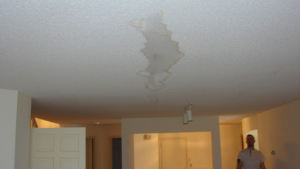
The most common problem is that you’ll have a leaking roof. In most cases, people spot the leak before they realize there is standing water on their roof. Since water moves down, it will find the lowest point of your roof and from there may eventually sink down further into the underlayment and through to your ceiling. If your roof has any cracks or small openings, water will eventually find its way there. Even when there are no openings, water can also weaken the structure of your roof.

The problem compounds on itself. As more and more water collects in a certain area of your roof, the added weight forms an indentation that will make that spot lower than the rest of the roof. When this happens, it causes even more water to pool in the area. This adds even more weight and deepens the area even further. The worst case scenario is that area eventually collapsing which won’t just mean massive damages and skyrocketing repair expenses, it is also hazardous to the people in the property.

One more way that the pooled water can cause damage to your roof is through acting as a magnifying glass that concentrates the UV rays from the sun. This can hasten the degradation of your roofing materials.

Aside from that, there are even more ways that ponding water can damage your roof. In order to avoid any of the major damages that ponding water can cause, it is always best to seek the help of your local experts at Wade Exteriors. Not only will we find you a quick and long-lasting solution, we provide you with the right solution that will prevent water from ponding the next time there’s a downpour.

Related Articles

is standing water on a flat roof a problem

Is Standing Water on a Flat Roof a Problem?

When water starts to stand on your roof, not only does it lead to leaking and other damages to your property, it also reduces your roof’s lifespan and negatively impacts its structure. In the roofing industry, ponding water refers to water that has stood flat on your roof for longer than 2 days following rain.

Standing water on a flat roof is also known as ponding which is a term that describes how the water collects in pools on certain surfaces of the roof, thus forming ponds. This typically happens right after a heavy downpour. However, most pools either drain off the roof or evaporate. When the water is stuck on your roof for prolonged periods of time, typically more than 48 hours, then it should be something that needs to be dealt with.

If it lasts for much longer, contacting a professional roofing team would be the best option in order to avoid further damage to your property.

It is also essential to note that ponding is not typically an imminent threat, as roof membranes are composed of water-resistant materials. Although immediate leakage is not likely to occur, recurring ponding can cause damage to the roof.

But the best thing to do is to keep your roof in tip-top shape to avoid major damages and to also keep it at optimum performance levels. That is also the best way to get the most out of your roof over the years.

Is standing water on a flat roof a problem?
Yes, it is.

The next question you should now be asking is “how do i fix this problem?”

In order to find a solution, every homeowner should first identify the reason why their flat roof is holding water.

is standing water on a flat roof a problem

Reason 1 – Inadequate or Obstructed Roof Drainage Systems

One of the most common reasons why a flat roof tends to hold standing water is due to the fact that there is an ineffective drainage system. When the drainage system of your roof is inadequate or obstructed, this will tend to keep the water on the roof, especially since there is no roof slope to naturally drain the water away with the aid of gravity.

While this might seem like a major problem that will require an entire roof replacement to solve, this is actually one of the easier reasons to correct. One of the major fixes is to implement regular roof maintenance. There are 3 different ways that flat roofs drain. The first is through the roof scuppers which are collector heads leading to downspouts. The second is through sloping towards a gutter system that guides the water away from the roof. The third is through roof drains.

By maintaining roof drains and gutter systems clean, water should flow out and avoid ponding.

Reason 2 – Roofing Structure, Design, and Deflection.

Another reason that can cause ponding water on your flat roof is because of the form of the roof itself. This is trickier to fix because regular roof maintenance will no longer be able to cut it. When a roof is designed poorly, ponding water can be due to the structure or by parts of the roof that start to sag under pressure.

This issue can also be because of improper placement of roof gutters and drains, which can lead to these drainage systems to be inefficient even when clear and unobstructed. If the structure that the flat roof is installed upon has settled or sagged, ponding water will be equal to the distance that the structure has deflected below the roof gutters or scuppers.

Reason 3 – Compressed or Saturated Roof Insulation

The third reason which is a common cause for ponding water is due to compressed or smashed roofing insulation layers. This can occur due to the added weight of construction materials, HVAC equipment, or other heavy equipment placed on top of a flat roof. Over time, roof insulation may have also degraded and become saturated.

Most flat roofing insulation systems tend to be quite sensitive to water and degrade rapidly or even dissolve when exposed to water or other liquids. When the insulation layer starts to degrade or dissolve, it loses its shape and forms an indentation on your roof where water can form ponds. This will then cause an even bigger problem since the standing water can cause more damage to the roof and the underlying insulation, thus making the indentation grow deeper, increasing the area where water is collecting. The best way to fix this is to replace the roofing insulation layer.

Determining the major causes of standing water on your flat roof can be a difficult task. However, there are experts in your area readily available to give you a hand and recommend the best course of action.

Related Articles

Make Your Home in Sioux City, IA, Look Better with a New Roof

If your home doesn’t look attractive from the outside, most people will assume the same about the inside. That’s a big deal, especially when you’re trying to sell your home in Sioux City, IA. According to the personal finance website Bankrate.com, a good first impression can add 5-10% to the selling price of your home! Investing in a new roof is one important way to boost its curb appeal and value.

If your roof has seen better days, begin by having it inspected by a reputable professional roofing contractor like Waddle Exteriors. Our experts can tell you the exact condition of your roofing material, and advise on the necessity to replace it. If your roof has some life left but shingles or tiles are missing or damaged, we can make seamless repairs that will calm potential homebuyers’ fears about its condition.

If it’s definitely time to replace, consider your options. Top roofing manufacturers are always introducing new materials that add beauty and cut down on maintenance and noise. Before you choose, take the time to look at other homes in your neighborhood. Which roofing materials are the most common, and will complement the architecture of your home while blending with others in the neighborhood? What do your neighbors like about the roofs they own? Also remember to check with your local building department and homeowner’s association for roof requirements that could impact your decision.

For information about types of roofs we install in Sioux City, call Waddle Exteriors at (877) 398-4555. We’d also be pleased to provide a FREE estimate for roof installation. Our professional installers can handle your project from beginning to completion. Your satisfaction is our #1 concern!

An illustration showing maintenance activities for a new roof emphasizing regular inspections.

Get Affordable Maintenance in Iowa with Waddle Exterior’s Signature Home Evaluation Program

Take the stress out of caring for your Iowa home exterior by signing up for the Signature Home Evaluation Program from Waddle Exteriors. For as little as $10 invested per month, our home improvement specialists will conduct a complete annual inspection and maintenance check-up, so you’ll never again have to wonder if you’ll need to deal with unexpected repairs or damaging leaks. Our inspection and evaluation covers these areas:

• Roof
• Venting and piping on roof
• Soffit and fascia
• Chimney
• Siding
• Grading and drainage
• Windows
• Exterior doors

Repairs often cost only a fraction of the amount of total replacement, so the Signature Home Evaluation Program offers long-term savings. Pricing options include one year of coverage for $150 (a monthly investment of $12.95); two years for $270 (a monthly investment of $11.25 and a $30 savings); or three years for $382.50 (a 15% discount saving you $67.50).

From roof to foundation, windows to siding, we’ll work together with you to deliver affordability, comfort, security and the protection you want for your home! Give Waddle Exteriors a call today at (877) 733-6400 to get started with our Signature Home Evaluation Program.