
Roofing

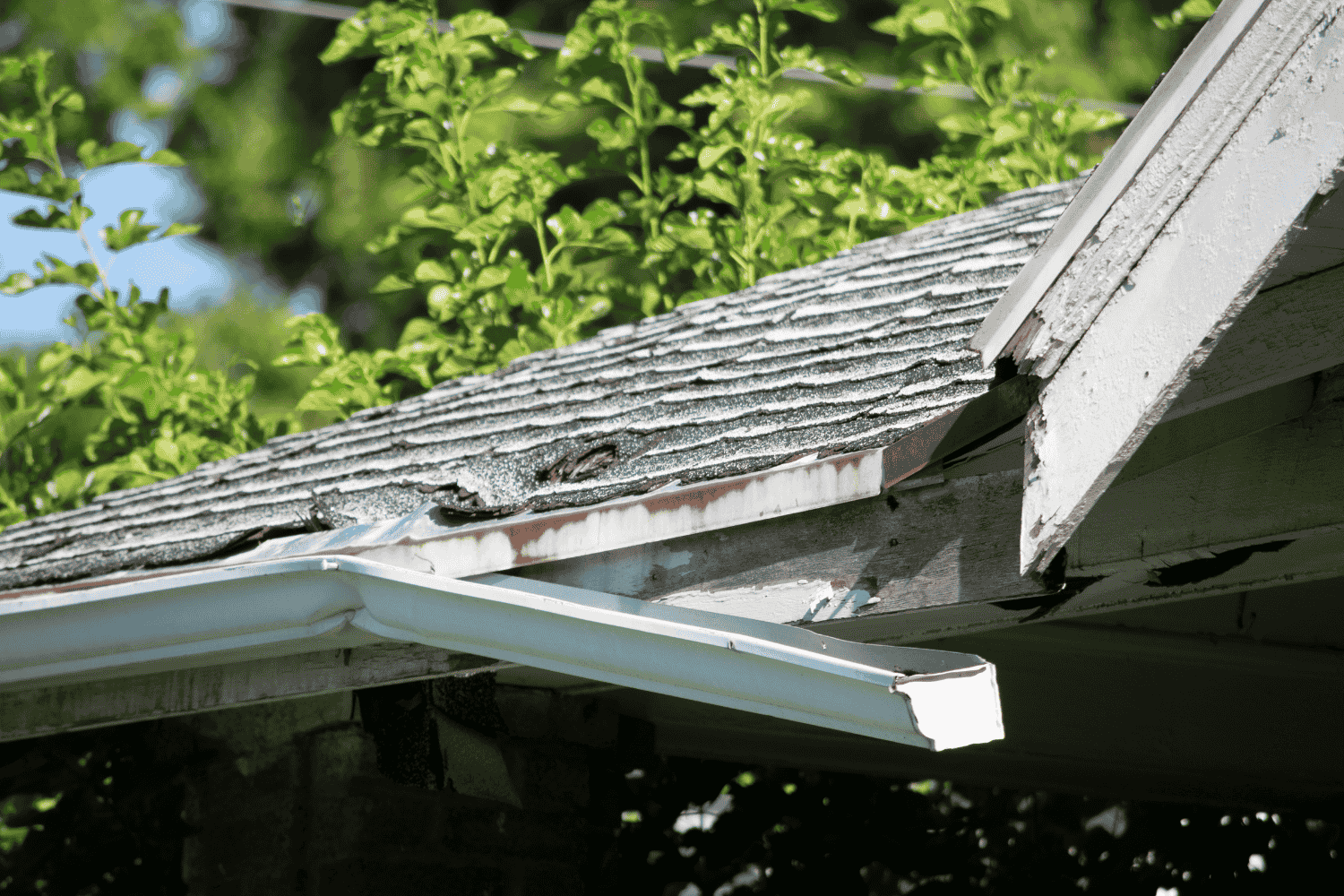
roof leak

How To Handle A Leaky Roof in Iowa

A leaky roof is more than a nuisance—it’s a risk to your home’s structure, insulation, and interior. A damaged roof can quickly escalate into a major problem if not addressed. In Iowa, where hail, heavy snow, wind, and heavy rains are common, leaks can develop unexpectedly and quickly lead to costly water damage. Ignoring leaks or delaying repairs increases the risk of potential damage, including further water intrusion and structural issues. Knowing how to respond immediately and when to call professionals can make all the difference.

Introduction to Roof Leaks

Roof leaks are a common headache for homeowners, but their impact goes far beyond a simple drip. A leaking roof can quickly lead to water damage, mold growth, and even structural issues if not addressed promptly. Understanding the causes and consequences of roof leaks is a crucial aspect of homeownership. Regular roof maintenance and timely inspections by a professional roofing contractor are essential to keep your roof in good condition and prevent leaks from turning into major repairs. By staying proactive with your roofing, you can avoid costly water damage and ensure your home remains safe and dry. In this guide, we’ll break down the most common causes of roof leaks, how to spot them, and the best solutions for repairing and preventing leaks in your Iowa home.

Key Takeaways

  • Roof leaks often stem from damaged shingles, flashing, or clogged gutters.
  • Quick action can minimize interior and structural water damage.
  • Safe inspection practices are essential; don’t climb on wet or damaged roofs.
  • A temporary fix can help control leaks in an emergency, but professional repairs are necessary for a lasting solution.
  • Professional repair ensures long-term protection and insurance documentation.

Causes of Roof Leaks

Roof leaks can develop for a variety of reasons, many of which are influenced by Iowa’s unpredictable weather. Damaged or missing shingles are a leading cause, especially after heavy rain, hail, or strong winds. Flashing leaks around roof penetrations—such as chimneys, vents, and skylights—are another frequent culprit, as these areas are particularly vulnerable if not properly sealed. Clogged gutters can cause water to back up and seep under roofing materials, while structural damage from fallen branches or age can create new entry points for water. Regular roof maintenance, including inspections and prompt repairs by a professional roofer, is the best way to catch these issues early and prevent further damage to your roof and home.

Common Leak Locations

Certain areas of your roof are more prone to leaks than others. Around chimneys, vents, and skylights, water can easily find its way in if the seals or flashing are compromised. Roof valleys—where two roof sections meet—are also common trouble spots, as they channel large amounts of water during rainstorms. Gutters and downspouts that become clogged with leaves or debris can cause water to overflow and penetrate the roof’s edge. Missing or damaged shingles, as well as cracked roofing cement, can expose the underlying structure to moisture. Regularly inspecting these areas and addressing any issues with the help of a local roofing contractor can help keep your roof in good condition and prevent further damage from leaks.

Flashing Leaks: A Hidden Culprit

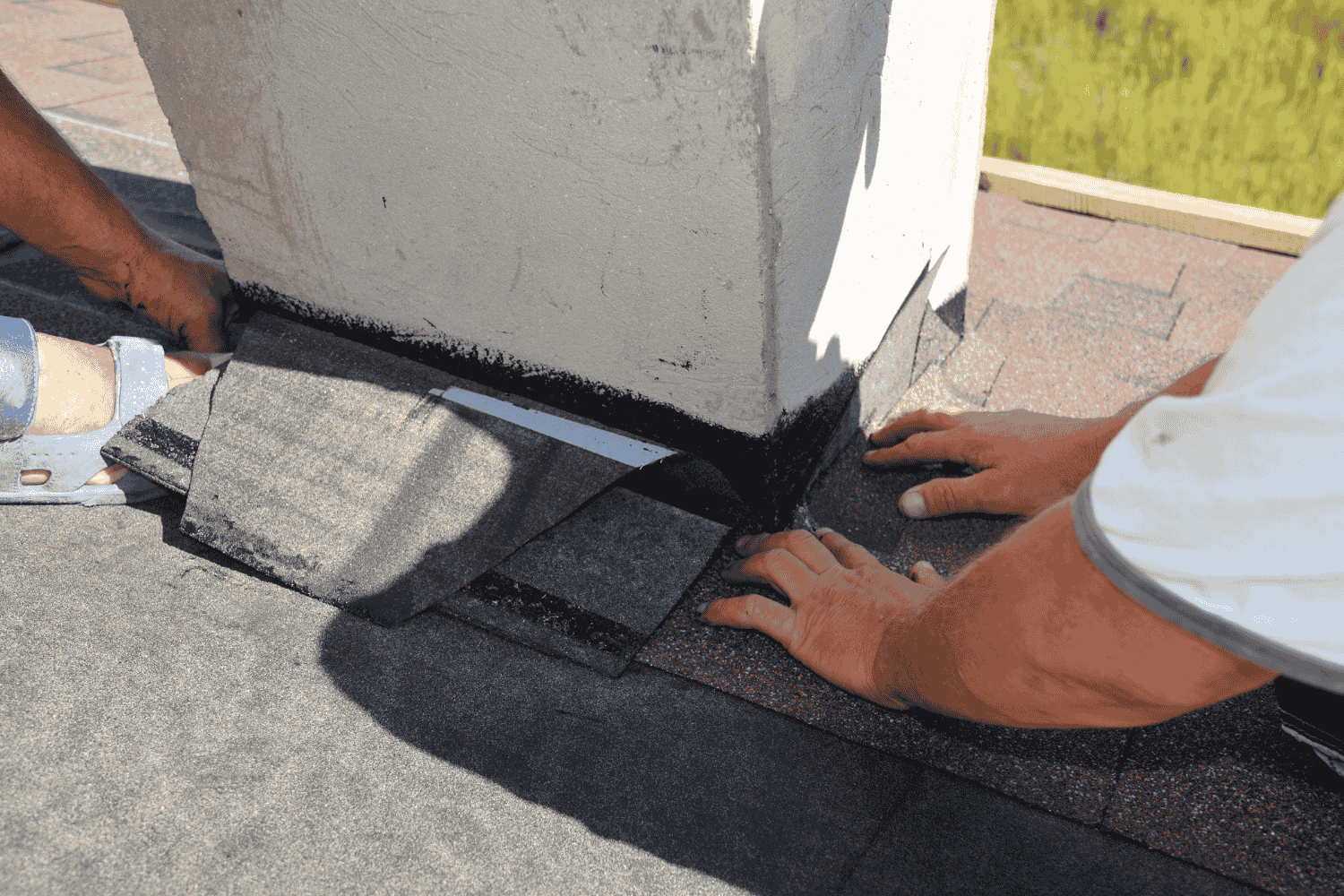
Flashing leaks are one of the most overlooked causes of roof leaks, yet they can lead to significant water damage if not addressed. Flashing is the thin metal material installed around roof penetrations like chimneys, vents, and skylights to direct water away from seams and joints. Over time, flashing can become loose, corroded, or damaged, allowing water to seep beneath the roofing materials. Because flashing leaks are often hidden from plain sight, they can go undetected until major damage occurs. A professional roofing company can thoroughly inspect your flashing, repair any issues, and ensure your roof remains watertight. Regular maintenance and timely repairs are key to preventing flashing leaks and protecting your home from further damage.

Step 1: Contain the Interior Leak

When you notice water dripping from your ceiling or pooling in your attic, your first priority is to catch dripping water to prevent further interior damage. Place buckets, towels, or containers under the leak to catch dripping water. If possible, move furniture and valuables away from the area to protect your ceilings.

If the ceiling is bulging, carefully poke a small hole at the lowest point of the bulge to release the water pressure. In cases of large leaks, several punctures may be needed to fully drain the water and protect ceilings from collapse. This can prevent widespread drywall damage or ceiling collapse.

Step 2: Document the Damage

Take photos or videos of the leak source and all affected interior areas. If the leak was caused by a storm, keep any related weather alerts. This documentation can help streamline insurance communication for storm restoration claims.

Waddle Exteriors provides storm restoration support, including documentation assistance and repair estimates for insurance providers【10†source】.

Step 3: Locate the Source Safely

Inspect your attic with a flashlight. Look for where leaking water or water appears in the attic, such as signs of wet insulation, dark stains on rafters, or visible drips. Common leak entry points include:

  • Around chimneys or skylights
  • Roof valleys and vents
  • Near plumbing stacks
  • Along eaves where ice dams form

Identifying where water appears can help you determine the potential causes of the leak.

Never walk on a roof during rain, snow, or ice. It’s unsafe and can cause further damage. Let professionals handle any surface-level inspection.

Step 4: Minimize Further Damage

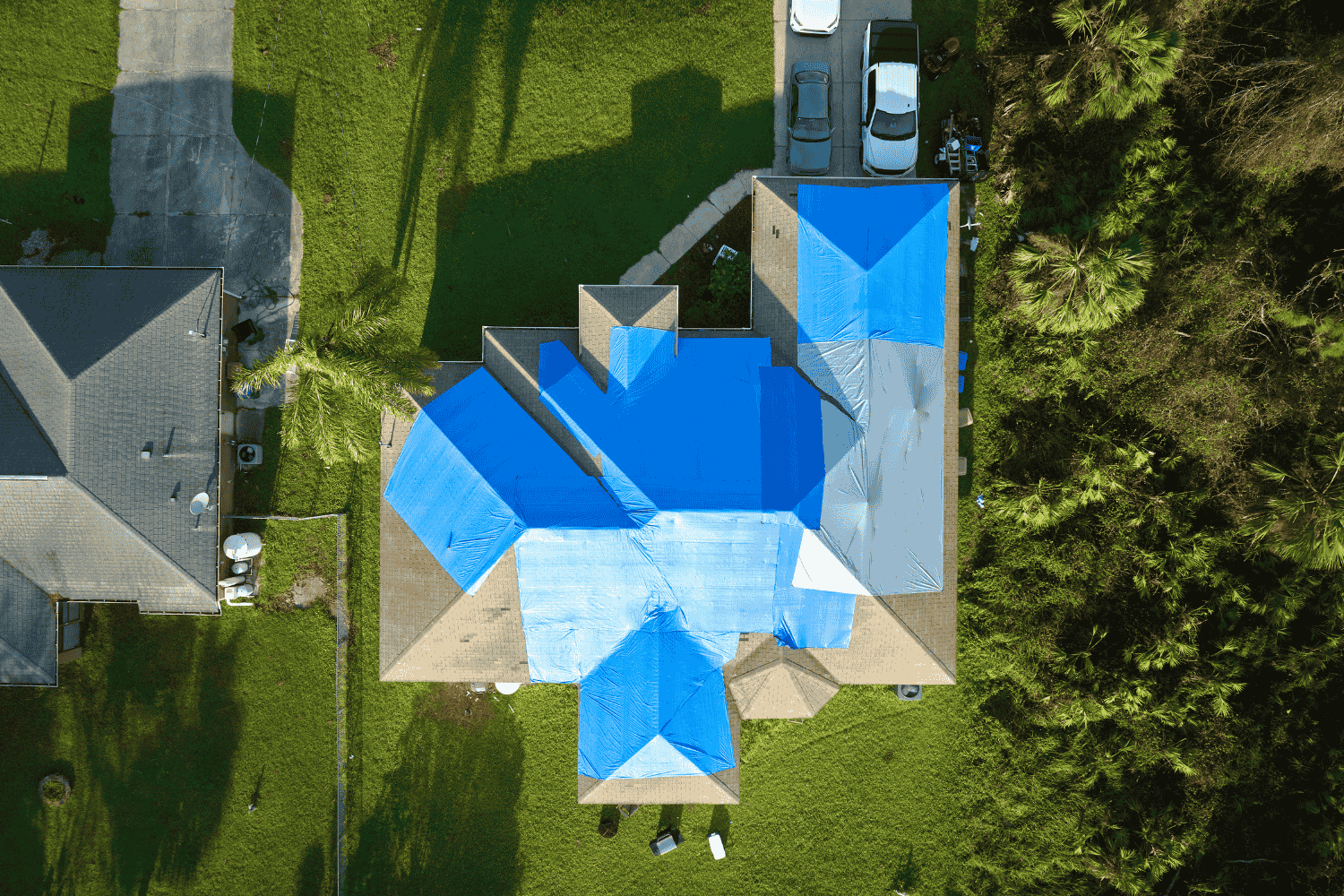
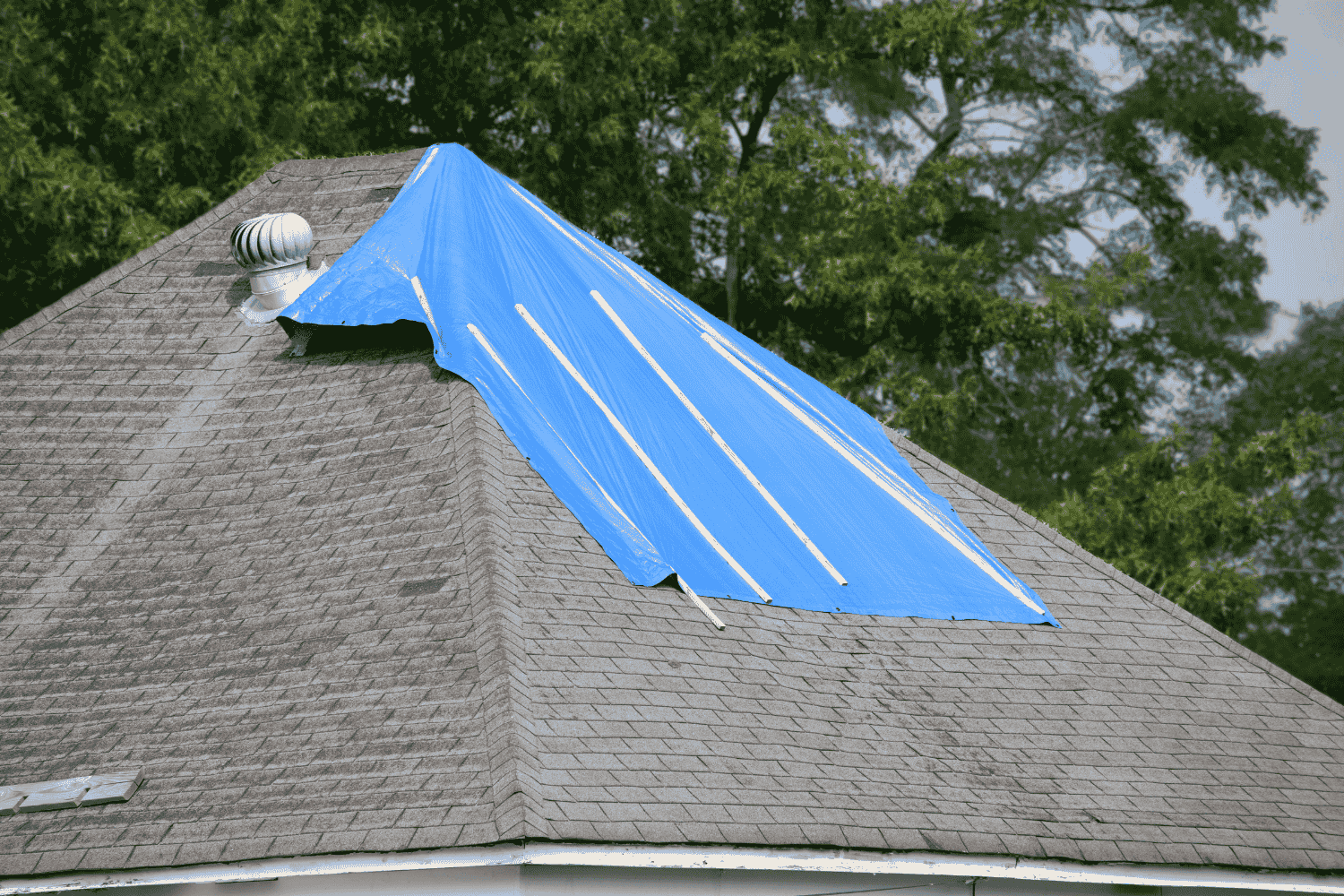
If you’re able, cover the damaged area from the outside with a tarp to temporarily fix the leak, using heavy-duty plastic sheeting and roofing nails. This is a temporary measure to protect your home until professional repairs can be made. Avoid DIY patches with roofing cement or caulk—they rarely last and can complicate future repairs.

After you temporarily fix the damaged area, monitor it closely for further leaks or signs of water intrusion.

Waddle Exteriors offers fast-response emergency roof tarping and inspection services across Des Moines and Central Iowa.

Step 5: Schedule a Certified Roof Inspection

A professional inspection identifies the root cause of the leak and evaluates the overall health of your roof. Common leak causes in Iowa include:

  • Hail-damaged or missing shingles
  • Deteriorated flashing
  • Damaged flashing
  • Ice dam buildup
  • Clogged or damaged gutters
  • Improper roof ventilation

Professional roofers will thoroughly inspect for damaged flashing, especially at roof-to-wall and roof-to-walls transitions, and may recommend installing new flashing if needed to prevent water intrusion.

Our certified technicians use non-invasive tools to check under shingles, inspect the attic, and evaluate ventilation systems to ensure no issues are missed. Areas found to be damaged can be repaired, fixed, or replaced as necessary, including replacing damaged shingles, installing new flashing, or even replacing the whole roof if the damage is extensive. Sometimes, repairs or replacement are required at the junctions where the roof meets the wall or walls to ensure a watertight seal.

Step 6: Review Repair or Replacement Options

Depending on the extent of the damage, a roof repair may be all you need. If the damaged area is limited, it can often be fixed by replacing a missing shingle or repairing sections of flat roofs. However, if repairs cannot restore the roof, replacing the damaged area or even multiple components may be necessary.

If the damaged area is extensive, or if there are multiple missing shingles or sections that cannot be fixed, a new roof may be the best option. In cases where repairs are not sufficient, the affected parts or the entire roof may need to be replaced to ensure long-term protection.

Waddle Exteriors provides detailed repair estimates and material options including asphalt shingles, metal roofing, and low-slope systems suited for Iowa homes.

Cost of Roof Repairs in Iowa

The cost of roof repair in Iowa depends on several factors, including the extent of the damage, the type of roofing materials used, and the complexity of the repair. On average, homeowners can expect to pay between $500 and $2,000 for roof repairs, though more extensive damage or specialty materials can increase the price. Most repairs are priced between $3 and $15 per square foot, depending on whether you need to replace damaged shingles, repair flashing, or address structural issues. Working with a professional roofing contractor ensures you receive a detailed estimate and high-quality repairs that stand the test of time. Investing in regular roof maintenance can help you avoid unexpected repair costs and extend the lifespan of your roof, saving you money in the long run.

Step 7: Prevent Future Leaks

Routine maintenance reduces the likelihood of future leaks. These steps help prevent water damage and protect your house from future issues. Key prevention steps include:

  • Clearing gutters twice a year or installing Gutter Topper® protection to prevent clogs from leaves, twigs, and other debris
  • Scheduling annual roof inspections
  • Trimming overhanging tree limbs, and removing fallen tree limbs and other debris from the roof and gutters to prevent potential damage
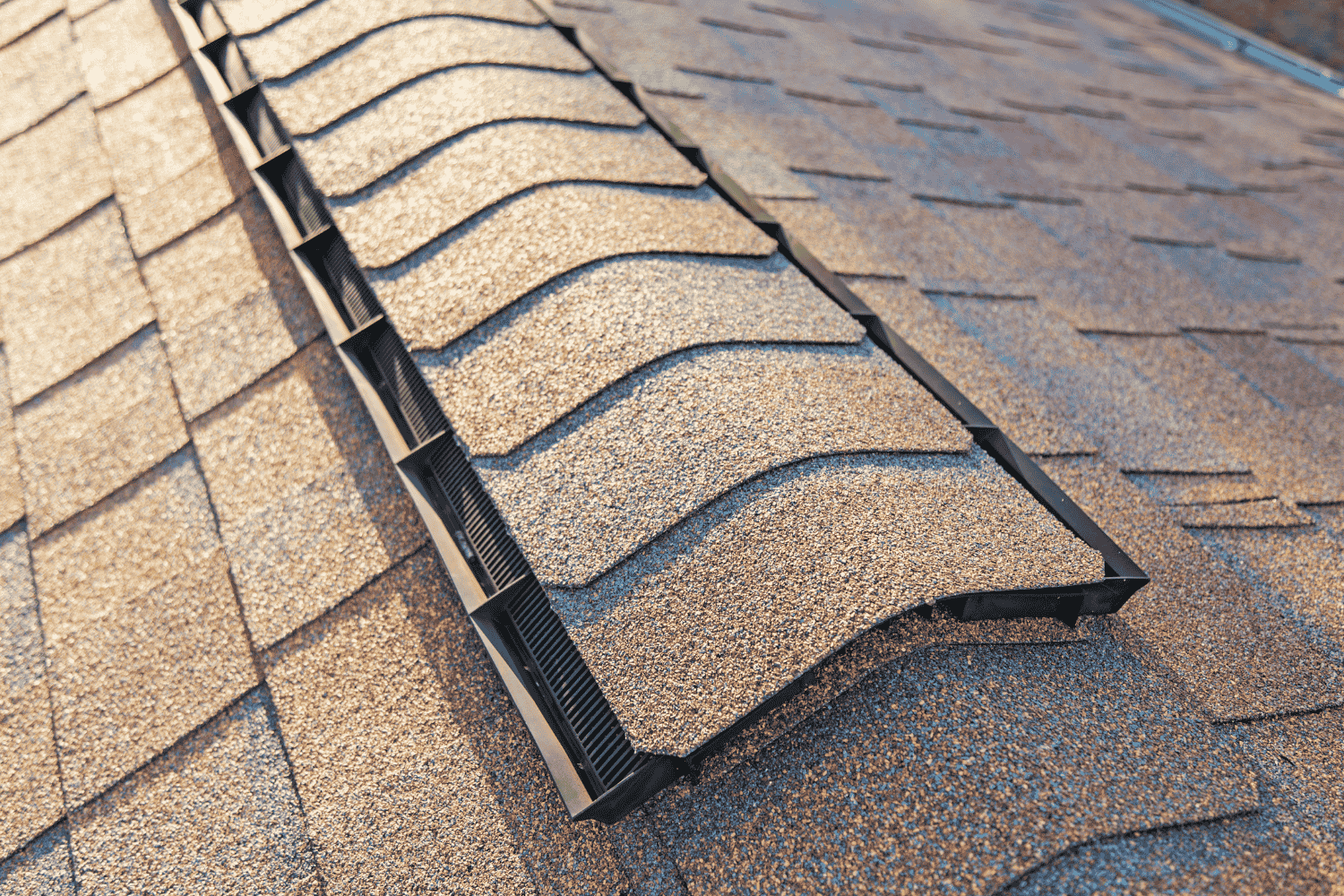
  • Ensuring adequate attic ventilation
  • Checking flashing and seals after every storm
  • Checking for standing water on flat or low-sloped roofs and addressing drainage issues promptly to prevent leaks and potential damage

We offer maintenance plans and roof inspections for homeowners in Des Moines, Ames, Story City, and surrounding areas.

FAQs

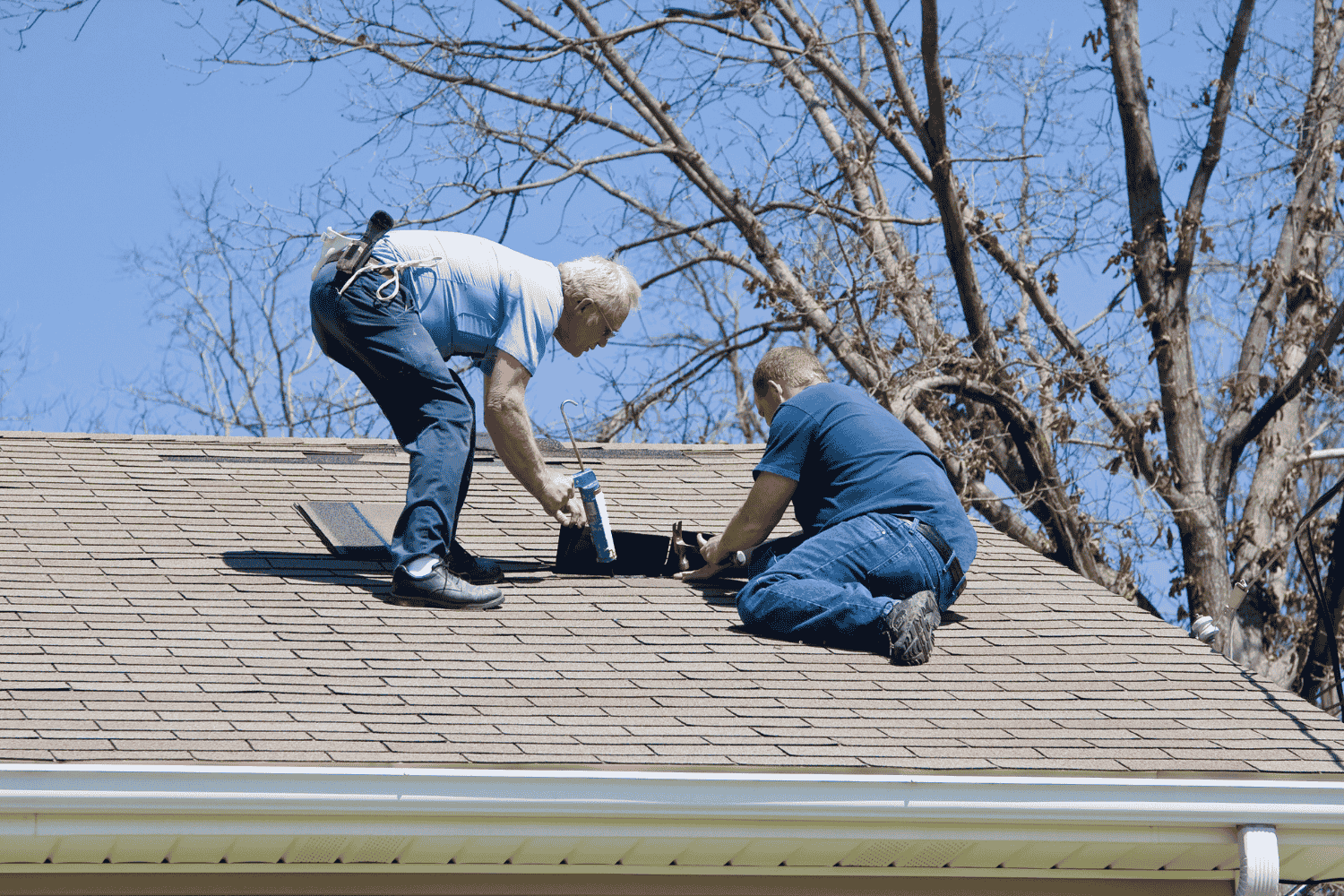
Can I fix a leaky roof myself? Temporary fixes are possible, but fixing roof leaks—especially those caused by roof penetrations like satellite dishes—should be handled by professional roofers. They ensure proper workmanship, safety, and warranty protection.

How long can I wait to fix a leak? Don’t wait. Even small leaks can end up causing damage and lead to more damage if not addressed promptly, including rot, mold, or insulation failure within days or weeks.

Is roof leak repair covered by insurance? It may be if the roof leaking results from storm damage. We help homeowners navigate the insurance-related restoration process.

Should I get a roof replacement if I have one leak? Not always. If the rest of the roof is in good shape, targeted repairs might be all you need.

How do I know if I have hidden leaks? If your roof is leaking, you may notice signs like water stains or mold. Professional roofers can help identify and fix these hidden issues through a thorough inspection.

Trust Waddle Exteriors for Reliable Leak Repairs

Whether you’re dealing with a minor drip or a major leak, Waddle Exteriors is here to help. Our certified crews offer emergency response, thorough inspections, and repairs backed by manufacturer warranties.

Request a Roof Leak Inspection in Iowa

Learn About Our Roofing Repair Services

shingle damage

Top Causes of Roof Damage in Iowa

Iowa homeowners know that our climate can be tough on roofing systems. From severe summer storms to snow-packed winters, roofs across Des Moines, Ames, and the surrounding areas face constant wear, as they are constantly exposed to sun, wind, and precipitation, which accelerates wear and tear. Understanding the primary causes of roof damage can help you catch problems early—and protect your investment longer, especially since certain materials or conditions can make a roof more susceptible to damage.

Key Takeaways

  • Wind, hail, and debris are leading causes of roof damage in Iowa.
  • Poor attic ventilation and aging materials contribute to deterioration.
  • Regular inspections can help identify and fix problems before they become major repairs.
  • Choosing a certified roofing contractor ensures quality installation and long-term performance.

Introduction to Roof Damage

Roof damage is a concern that every Iowa homeowner should take seriously, as it can arise from a variety of sources—ranging from harsh weather to improper installation and even neglect. When your roof is compromised, it becomes vulnerable to further issues like leaks, water intrusion, and even pest infestations, all of which can threaten the structural integrity of your home. Understanding the different types of roof damage and their underlying causes is key to preventing costly repairs and maintaining a safe, comfortable living environment. Regular roof inspections and proper maintenance are essential steps in catching problems early, before they escalate into severe damage. In this guide, we’ll break down the most common causes of roof damage, how to spot them, and what you can do to keep your roof in top condition for years to come.

Hail: Iowa’s Most Destructive Roofing Threat

Central Iowa frequently experiences hailstorms, especially in spring and summer. Hailstones can bruise or crack shingles, knock off protective granules, and expose the underlying layers to moisture. A severe hail storm can cause significant damage, leaving the roof exposed and requiring immediate attention. Hail storms are a leading cause of hail damage to roofing components, sometimes resulting in a damaged roof that may need roof repair or even roof replacement. Damage may not be visible from the ground, making professional roof inspections essential after a storm. A reputable roofing company can help assess the extent of hail damage and coordinate with your insurance company for claims.

Waddle Exteriors offers inspection support to assess hail impact and coordinate with your insurance provider during the storm restoration process. Choosing synthetic roofing and impact-resistant roofing components can help your home better withstand future hail storms.

High Winds and Uplift

Iowa’s flat terrain allows strong winds to gain speed quickly. High winds can curl or tear shingles and lift entire roof sections if flashing or fasteners are compromised. Wind damage, including wind damage from tornadoes, can result in missing, curled, or affected shingles. Wind-driven rain can also seep under loosened materials, causing water damage and mold. Sometimes, only a few shingles are affected, and prompt repair of these affected shingles can prevent further issues.

Installing roofing rated for high wind zones—like those offered by Waddle Exteriors—helps defend against severe gusts. It is also crucial to have all roofing components properly installed to minimize wind damage.

Ice Dams and Snow Load

In winter, melting snow can refreeze at the roof’s edge, forming an ice dam. Ice dams typically form along the roof eaves and roof’s edge, where water drainage is most easily obstructed. This blocks water drainage, forcing moisture beneath the shingles and into your attic or ceiling. Water infiltration from ice dams can damage not only the roof but also walls and electrical systems. Snow buildup also adds weight stress to the roof, particularly in older homes with less structural support. Excessive snow load can threaten the stability of the entire structure if not addressed.

Proper insulation and attic ventilation are critical in reducing the risk of ice dams in Iowa homes. Regular maintenance, such as clearing snow from roof eaves and ensuring proper ventilation, is essential to prevent ice dams from forming in the first place.

Poor Ventilation

A well-ventilated roof lets heat and moisture escape from your attic. Without it, warm air becomes trapped, leading to condensation, mold, and rot. In the summer, inadequate ventilation can bake roofing materials from underneath, shortening their lifespan. Excessive heat and UV rays can cause visible signs of damage such as heat blisters, warped shingles, and buckling shingles.

Our certified crews install and repair ventilation systems as part of our full-service roofing solutions.

Clogged Gutters and Water Backup

When gutters are full of leaves or debris, water can back up and seep under roofing materials. Poor drainage can cause water to pool on the roof, which may eventually destroy underlying materials such as plywood decking. Over time, this causes wood rot along the fascia and soffit, compromises shingle adhesion, and leads to interior leaks.

Waddle Exteriors recommends pairing your roofing system with our Gutter Topper® leaf protection to keep water flowing freely.

Moss, Algae, and Organic Growth

Roofs in shaded or humid areas of Iowa may develop algae streaks or moss buildup. These organisms retain moisture, which deteriorates shingle materials and promotes rot. They’re especially common on north-facing slopes.

We install algae-resistant shingles and offer maintenance services to keep your roof clear and strong year-round. It’s also important to trim trees around your roof to reduce shade and moisture, which helps prevent moss growth and can prevent pest infestations.

Installation Issues: When Workmanship Goes Wrong

Even the best roofing materials can fail if they’re not installed correctly. Improper installation is a leading cause of roof damage, leaving your home susceptible to leaks, structural damage, and a shortened roof lifespan. Common signs of poor workmanship include missing shingles, damaged or poorly installed flashing, and clogged gutters—all of which can make your roof more vulnerable to Iowa’s harsh weather. Choosing a reputable roofing contractor who uses high-quality roofing materials and follows industry best practices is essential for a durable, long-lasting roof. Regular inspections can help catch installation issues early, allowing for timely repairs that prevent further damage. Additionally, ensuring your roof has proper ventilation and installing better roof vents can help prevent heat damage and reduce the risk of ice dam formation during winter. Don’t let improper installation put your home at risk—invest in professional workmanship and ongoing maintenance to keep your roof protected.

Structural Damage: Hidden Threats to Your Roof’s Integrity

Structural damage is one of the most serious types of roof damage, often lurking beneath the surface until it becomes a major problem. This kind of damage can result from poor installation, exposure to harsh weather, or simply a lack of regular maintenance. Warning signs include roof sagging, cracked or damaged shingles, and compromised roof decking—all of which can leave your roof vulnerable to further damage and even threaten the safety of your entire home. Addressing structural damage promptly is crucial to avoid costly repairs and maintain your home’s structural integrity. A professional roofer can perform a thorough inspection to identify hidden issues and recommend the necessary repairs. Preventative measures, such as ensuring proper drainage and regularly trimming overhanging trees, can also help protect your roof from severe storms and reduce the risk of structural deterioration. Don’t wait until minor issues become major headaches—prioritize regular maintenance and timely repairs to keep your roof strong and secure.

Aging and Material Breakdown

Even the best roof materials degrade over time. Asphalt shingles lose granules, wood shakes crack, and metal panels corrode. If your roof is more than 20 years old, routine inspections are essential to catch signs of failure early. An aging asphalt roof or other roofing material may require replacement of not just the surface but the entire roof decking if deterioration is severe.

Upgrading to durable options like metal or impact-resistant shingles can help extend lifespan and improve protection.

Tree Damage and Debris

Branches brushing against a roof can erode granules and lift shingles. Fallen limbs after storms can puncture roofs entirely. Tree debris also clogs gutters, adding weight and moisture.

Regular tree trimming is an important part of your home exterior maintenance plan.

FAQs

How do I know if hail damaged my roof?
Look for dented flashing, missing granules, or discolored patches. A professional inspection is often required to spot subtle damage.

Are ice dams covered by insurance?
Coverage varies. Insurance may cover damage caused by water infiltration but not prevention or maintenance.

Can clogged gutters really damage a roof?
Yes. Overflowing water can seep under shingles and rot fascia boards.

What’s the average roof lifespan in Iowa?
Most asphalt shingle roofs last 15–30 years depending on quality, ventilation, and weather exposure.

Should I remove moss from my roof myself?
We recommend professional cleaning. Scraping or power washing can damage shingles.

Don’t Wait—Protect Your Roof from Common Damage

Whether your roof has seen one too many Iowa hailstorms or you’re unsure about its age, Waddle Exteriors offers free in-home consultations and certified roof inspections. Let our team identify risks early and help you plan the best next steps for long-term protection.

Learn more about our Storm Restoration Services

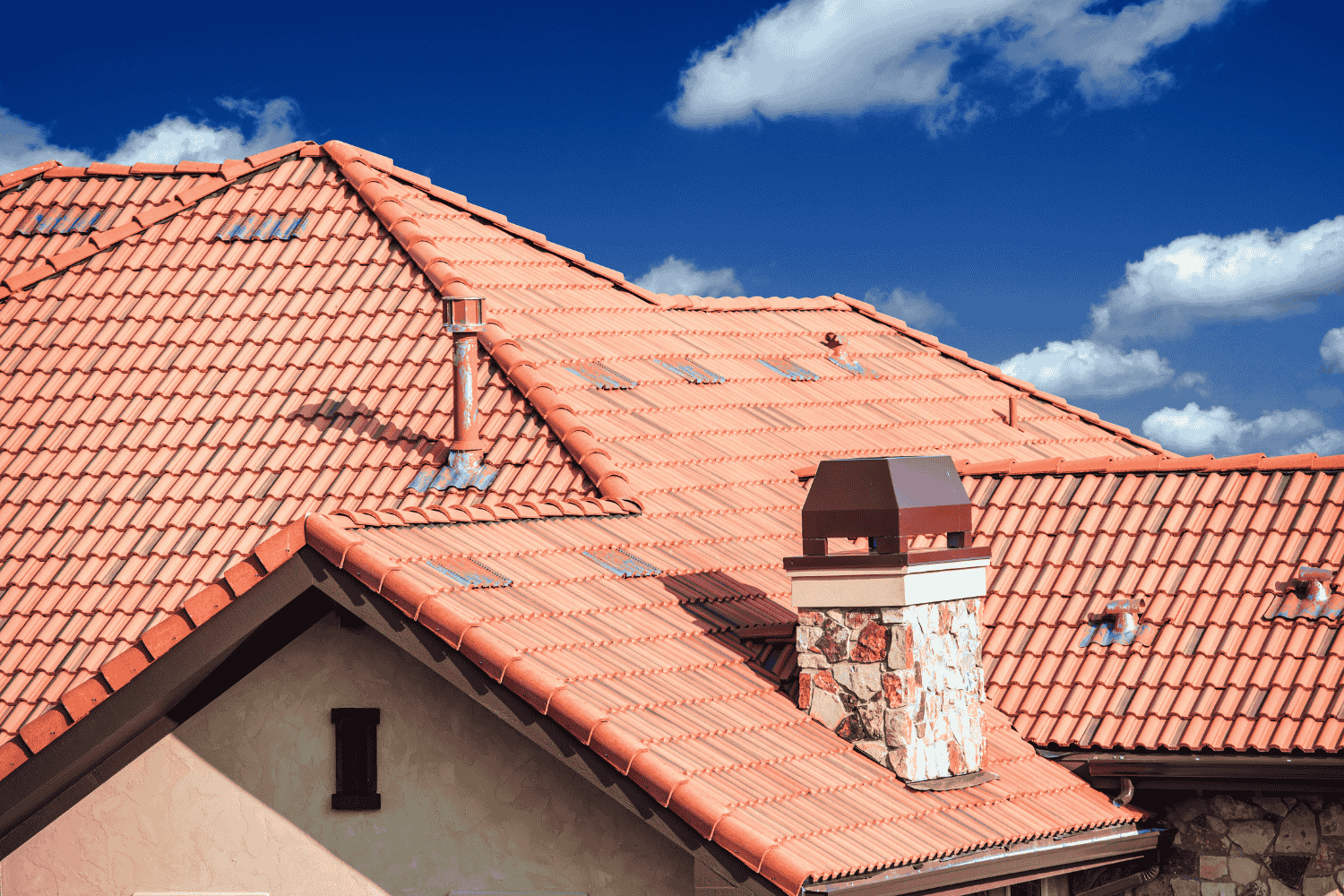
A breakdown diagram of roofing material costs, including asphalt, metal, and tile roofs.

Different Types of Roofs in Des Moines

Choosing the right roof is critical for long-term comfort and protection in Iowa. In Des Moines, homeowners face a full spectrum of weather—from summer heat to winter snow and spring hail. Understanding the different types of roofs available and how they perform in Iowa’s climate is the first step in selecting the best option for your home. Knowing the various roof types and the most common roof designs in Des Moines helps homeowners make informed decisions about what will work best for their needs.

Key Takeaways

  • Asphalt shingles remain the most popular choice for affordability and versatility.
  • Metal and tile roofs offer outstanding longevity and storm resistance.
  • Regional climate and proper ventilation are key to roof durability in Des Moines.
  • Certified installation and quality materials extend your roof’s lifespan.

Introduction to Roofing in Des Moines

Des Moines, Iowa, is known for its dramatic seasonal shifts, from icy winters to hot, humid summers. This makes having a reliable, well-built roof essential for every house in the area. The right roofing material not only protects your home from the elements but also plays a major role in energy efficiency and long-term comfort. Homeowners in Des Moines can choose from a variety of roof materials, including classic asphalt shingles, durable metal roofing, and the natural charm of wood roofing. Each type of roof offers unique benefits and challenges, especially when it comes to withstanding the local climate. Consulting with an experienced roofing contractor can help you navigate the many types of roof available, ensuring you select the best option for your needs and budget. Whether you’re considering flat roofs for a modern look or pitched roofs for traditional appeal, understanding your choices is the first step toward a roofing system that stands up to Iowa’s weather and keeps your home safe and comfortable.

Roof Styles: Shapes and Slopes That Define Des Moines Homes

The architectural style of your roof can dramatically influence both the appearance and performance of your home. In Des Moines, some of the most common roof styles include gable roofs, hip roofs, and shed roofs, each offering distinct advantages. Gable roofs, with their classic triangular shape, are popular for their ability to quickly shed rain and snow, making them a practical choice for Iowa’s variable weather. Hip roofs, which slope on all four sides, provide a sturdy, wind-resistant structure and a more compact silhouette. For homeowners seeking extra living space or a unique look, the mansard roof—with its double slopes—creates additional attic or loft space. The Dutch gable roof blends the best of both gable and hip roofs, offering enhanced curb appeal and improved attic ventilation. When planning a roofing project, it’s important to consider how your chosen roof style will work with different roofing materials, such as asphalt shingles, metal roofs, or clay tiles, to achieve the perfect balance of durability, functionality, and aesthetic appeal for your house.

Asphalt Shingles: The Iowa Standard

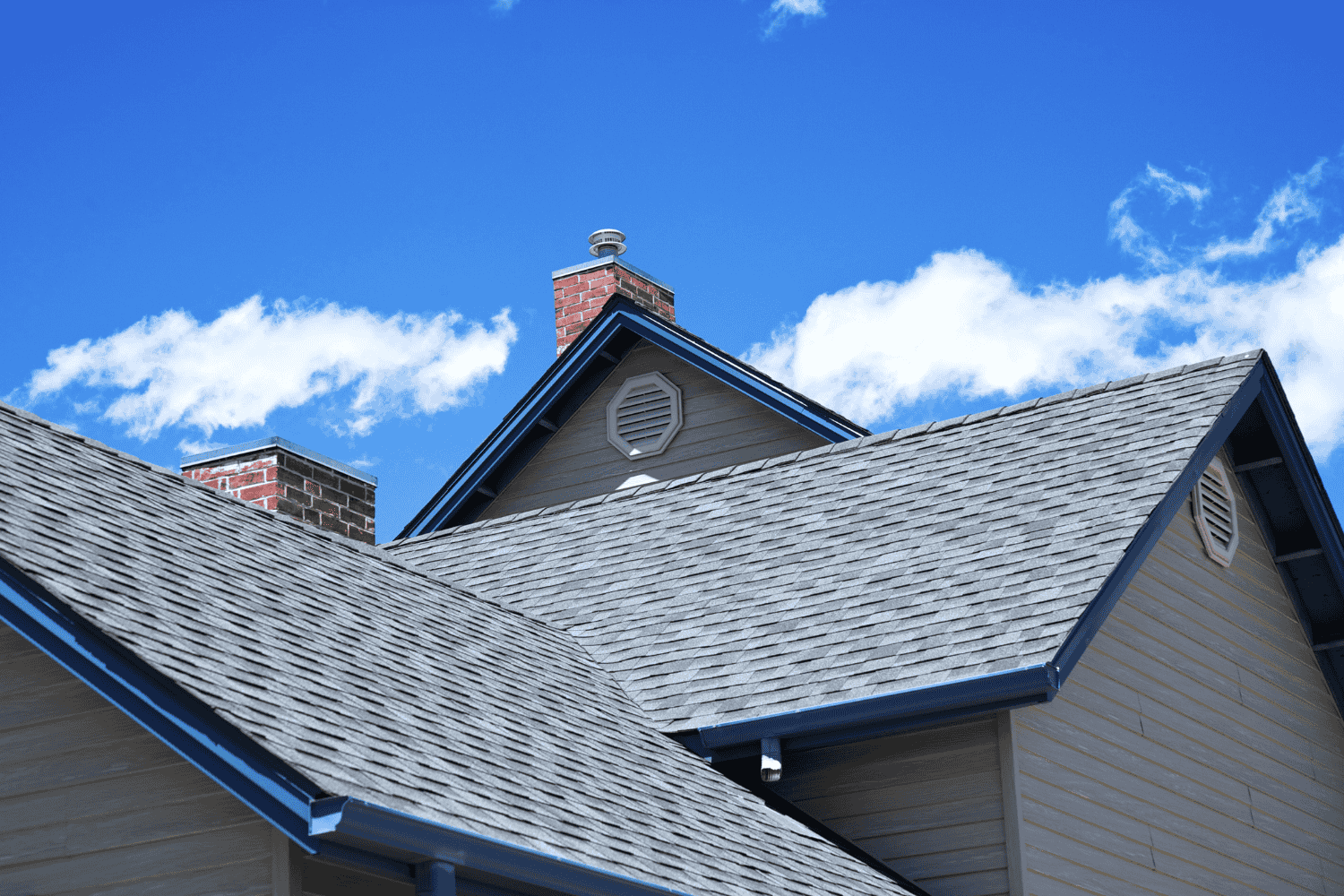
Asphalt shingles are the go-to roofing material for many Des Moines homeowners, making asphalt roofing a popular choice for residential applications. They’re cost-effective, easy to install, and come in a wide range of colors and styles. Waddle Exteriors installs both fiberglass and organic asphalt shingles, designed to handle wind speeds up to 110 mph—ideal for Iowa’s spring storms.

An asphalt shingle roof is a common installation for homes, with options ranging from standard three-tab shingles to premium choices like designer shingles that offer superior quality and unique aesthetics. Asphalt shingles typically last 15–30 years depending on ventilation and upkeep. With ceramic granules, they provide UV protection and resist algae growth, a common issue in humid Iowa summers.

Metal Roofing: Durable and Energy Efficient

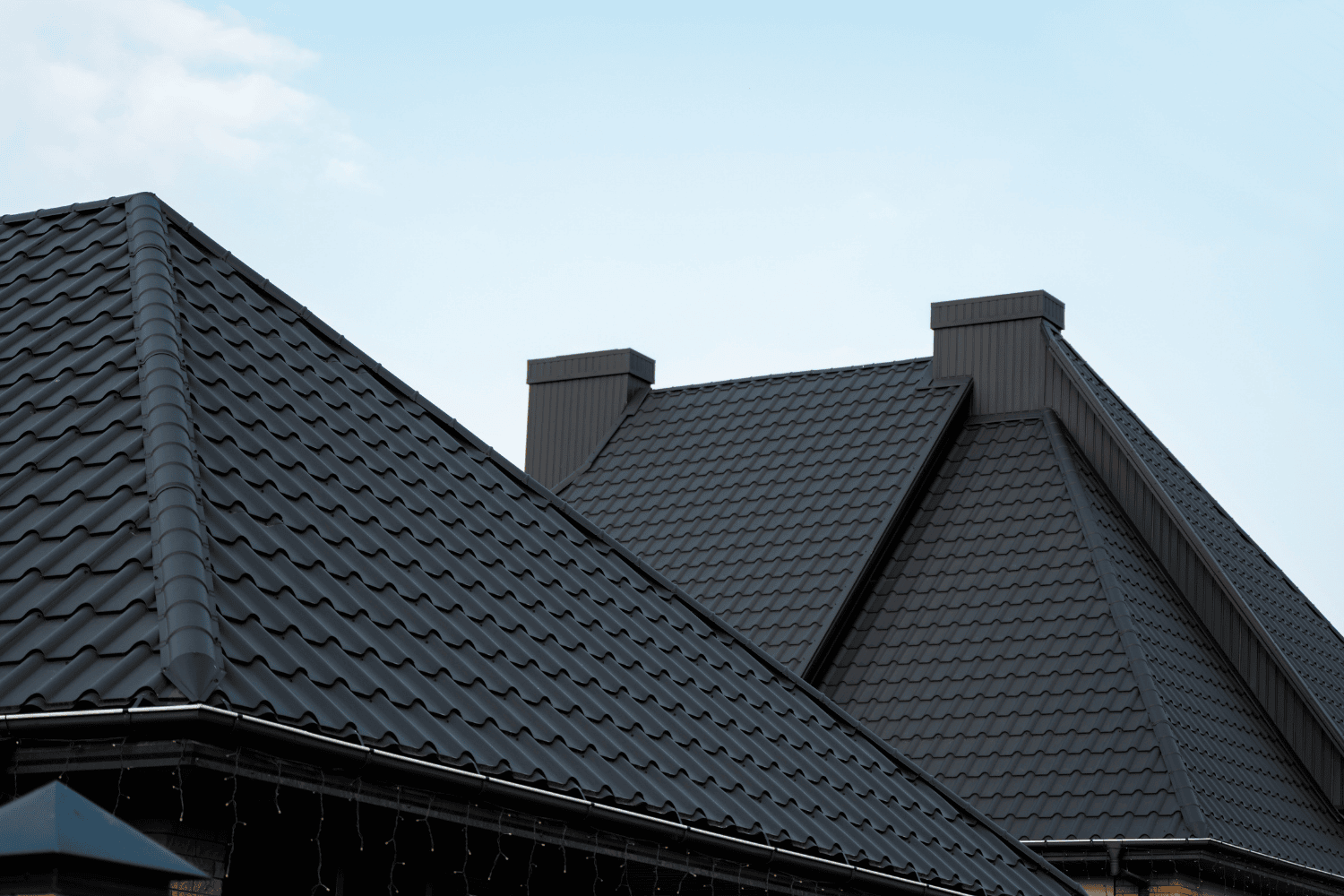
Metal roofing, including standing seam and steel panels, is becoming more common across Iowa. Metal shakes are another durable and aesthetically appealing metal roofing option. It’s known for exceptional lifespan—often 40–70 years—and its ability to reflect heat, lowering cooling costs in the summer.

Waddle Exteriors installs energy-efficient metal systems that are impact-resistant and perform well in hail-prone areas like Des Moines. While the initial investment is higher, long-term energy savings and reduced maintenance make metal roofs a wise choice. However, traditional metal roofing may not be ideal for complex or curved roofs.

Tile Roofing: High-End Longevity

Clay or concrete tile roofs, including concrete roofing as a durable masonry option, offer a premium look and can last 50 years or more. They provide strong fire resistance and handle UV exposure better than many other materials. Concrete tiles are especially suitable for hot climates due to their durability and thermal properties, making them ideal for regions with high temperatures and low rainfall. However, they are heavy and require reinforced roof framing, which may not suit all existing structures in Des Moines.

Though expensive upfront, the low-maintenance nature and curb appeal of tile roofing make it an attractive choice for homeowners planning to stay long-term.

Slate Roofing: Classic and Long-Lasting

Slate roofs offer unmatched longevity—up to 100 years—but require expert installation and a strong support structure. Slate roofing is also incredibly durable, making it one of the longest-lasting roofing options available. They are extremely fire- and weather-resistant, making them a solid choice for long-term value in Des Moines’ variable climate. However, due to the weight and cost, they are best suited for historic or high-end homes.

Wood Shakes and Shingles

Cedar shakes provide a rustic aesthetic that’s popular on craftsman and historic homes in the Des Moines area. While they offer natural insulation and can last 25–30 years with proper treatment, they are more vulnerable to fire, moisture, and pest damage.

Homeowners who choose wood roofing must commit to regular inspections and maintenance, and should be aware that wood roofing typically requires more maintenance than other roofing options, particularly in Iowa’s damp spring and fall seasons.

EPDM and Flat Roofs for Low-Slope Applications

For homes or additions with low-slope or flat roofing, EPDM roofing, a type of rubber roofing membrane, is a strong, cost-effective option. It’s especially popular for garages and commercial structures in Des Moines. EPDM is UV-resistant, flexible, and can last 20–30 years with minimal upkeep.

Membrane roof systems, such as EPDM roofing, are commonly used for flat or low-slope applications in both residential and commercial buildings. Built up roofing (BUR) is another traditional option for flat roofs, known for its multiple protective layers and its ability to shield against UV rays.

Roofing System: What’s Beneath the Surface

A successful roofing project goes beyond just selecting the right shingles or tiles—it’s about understanding the entire roofing system. This system includes the structural framework, insulation, waterproofing layers, and the visible roofing material. The roof slope, whether you have flat roofs, low sloped roofs, or steeply pitched roofs, plays a crucial role in determining which roofing materials are most suitable. For example, flat roofs and low slope roofs often require specialized membrane roofing to ensure effective water drainage and prevent leaks, while pitched roofs can accommodate a wider range of options like asphalt shingles, wood shingles, or metal roofing. The type of roof you choose, along with its underlying design, directly impacts your home’s energy efficiency and resilience against the elements. Innovative solutions like solar tiles and green roofs are becoming more popular for homeowners looking to boost energy efficiency and sustainability. By understanding the components of a roofing system and how they work together, you can make informed decisions that enhance the longevity, performance, and comfort of your Des Moines home.

Roofing Material Selection: What Matters in Des Moines

When choosing a roof type in Des Moines, consider the wide range of roofing options and roof material choices available:

  • Storm resistance: Impact and wind ratings are critical.
  • Snow load: Weight tolerance matters in Iowa winters.
  • Ventilation: Proper attic airflow prevents moisture damage.
  • Local codes: Your choice must align with municipal building regulations.

Most roofing materials offer specific advantages, and some options are more environmentally friendly than others. Certain roof materials, such as metal and rubber, are especially well-suited for residential buildings, making the selection of the right option crucial when installing a new roof.

Waddle Exteriors offers certified roofing systems that meet all local and state standards, and we’ll guide you through selecting the best roof for your home’s structure and budget.

FAQs

What is the most cost-effective roof type in Des Moines? Asphalt shingles are the most affordable and widely used, offering good protection and style variety. Most homeowners choose asphalt shingles due to their affordability and versatility among various roofing options.

Is metal roofing noisy in the rain? Not when installed properly. Underlayment and insulation reduce sound significantly.

Can I install tile roofing on my existing home? Only if your home’s structure can support the weight. A consultation will determine feasibility, as different roof designs may affect compatibility with tile roofing for various houses.

How do I know when to replace my roof? Look for curling shingles, leaks, granule loss, or if your roof is 20+ years old. Understanding roof slopes and roof types can also help determine the right time for a new roof.

Do I need to be home for a roofing estimate? We recommend it so we can walk you through materials, warranties, and your options in person. Discussing shingle types and solar panels is also easier face-to-face.

Ready to Upgrade Your Roof in Des Moines?

Whether you’re drawn to metal’s durability, tile’s elegance, or asphalt’s value, Waddle Exteriors offers free in-home consultations to help you decide. Our certified team serves Des Moines and surrounding areas with professional installation and strong warranties.

Explore Our Roofing Services

Request Your Free Roof Estimate Today

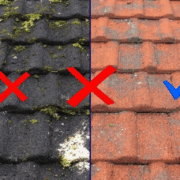
Preventive measures to keep your roof moss-free, including regular maintenance.

Top Tips on How to Get Moss Off Roof in Iowa

If you’re battling moss on your home’s roof in Iowa, you’re not alone. Regular inspections are crucial to assess the roof’s condition and identify any issues early. The damp climate here makes moss a common issue that can damage your roof. Moss can compromise the roof’s integrity, leading to material decay and safety hazards for maintenance access. Maintaining your home’s roof is crucial to prevent moss growth and avoid larger issues. Hiring a professional roofing contractor for regular roof maintenance ensures thorough inspections and effective moss removal. This guide will show you exactly how to get moss off of a roof in Iowa, covering both manual and chemical removal methods, the best times to treat, and preventive steps.

Key Takeaways

  • Moss thrives in damp, shaded conditions, making it essential for homeowners in Iowa to monitor their roofs regularly, especially during wet months.
  • The best time for manual removal of moss is summer, while chemical treatments are most effective in fall or spring during the moss’s active growing season.
  • Preventive maintenance like cleaning gutters, trimming branches, and regular inspections can significantly reduce the chances of moss growth on roofs and help keep the roof in good shape.
  • Hire a professional for extensive moss growth or safety concerns to ensure thorough and safe removal.
  • Ensure proper ventilation in attics to prevent moss growth and maintain a healthy roofing system.
  • While a home inspector can identify potential issues with the roof during a real estate transaction, a dedicated roofing professional is recommended for a more thorough assessment.

Understanding Moss Growth in Iowa

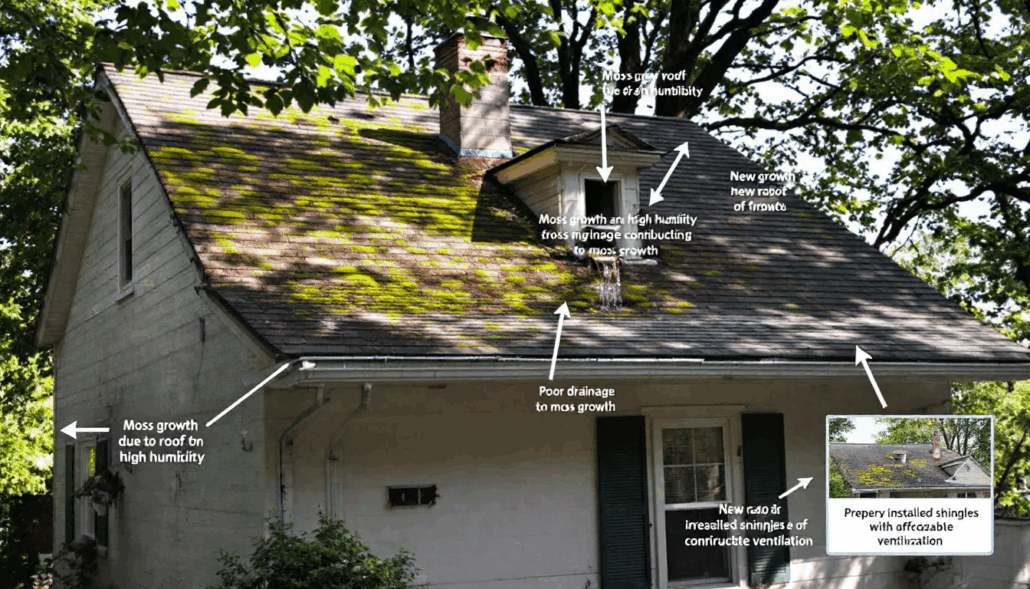
Understanding moss growth in Iowa, which can affect roof conditions.

Moss thrives in moist environments, often proliferating in areas that experience significant rainfall and are shaded. In Iowa’s damp and shadowed locales, moss commonly infests roofs. The presence of moss can trap moisture against the roof’s surface, heightening the risk of water damage and threatening the structural integrity of the roof, especially where there is standing water. Additionally, moss can lead to mold growth, which negatively impacts living conditions.

The lifecycle of moss is sensitive to seasonal shifts. Thus it requires close observation during months with higher precipitation levels. From autumn through spring marks a period when moss actively grows and matures. During these seasons, if not swiftly managed, moss has the potential to expand quickly on rooftops. It’s essential for homeowners to engage in consistent maintenance to deter well-established growths from causing any architectural harm. Regular inspections are crucial to assess the roof’s condition and identify any issues early. Moss can compromise the roof’s structural integrity, leading to costly repairs. Trapped moisture from moss can also cause significant water damage.

Asphalt shingles are vulnerable to degradation from moisture-laden moss which can instigate wood rot along with various other forms of structural deterioration. Grasping how moss propagates as well as its detrimental effects empowers homeowners with knowledge enabling them effectively mitigate or prevent grave damages afflicting their roofs.

Best Time for Moss Removal in Iowa

The timing of moss removal from roofs is crucial for effective results. The summer season offers the best conditions for manual removal, as moss adheres less firmly to shingles, simplifying the physical elimination process.

For chemical treatments aimed at eradicating moss down to its roots, the application should coincide with the plant’s peak growth periods in either fall or spring. Administering these chemicals when temperatures are cooler and rain isn’t expected will maximize their impact. Utilizing a product designed to kill moss can be particularly potent during these seasons. It is also essential to follow the manufacturer’s instructions when using chemical treatments to ensure safety and effectiveness.

Adhering to appropriate timings for removing moss ensures that both manual and chemical methods are optimally efficient while preserving roofing materials from damage. By strategically planning maintenance activities according to seasonal patterns of growth and weather conditions, homeowners can maintain clear roofs throughout all months of the year. Proper scheduling facilitates not only ease but also durability in keeping rooftops devoid of unwanted green guests like moss.

Effective Methods for Removing Moss from Roofs

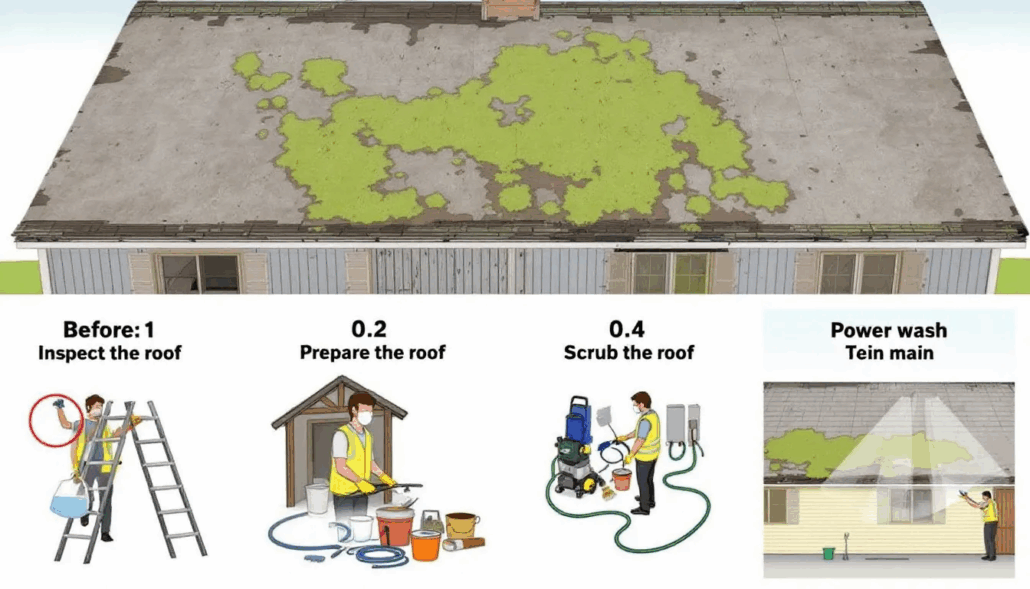
Effective methods for removing moss from roofs, including manual and chemical treatments.


Numerous strategies exist for eliminating moss from roofs, and each comes with its unique benefits and factors to bear in mind. Mechanical methods require the physical extraction of moss using implements such as brushes or roof rakes. In contrast, chemical approaches involve deploying compounds that target the root system of the moss, ensuring it is comprehensively removed. Using a moss killer can be an effective chemical method to eliminate moss and prevent its regrowth.

When performing manual moss removal, it is crucial to use a sturdy ladder to safely reach the roof and prevent any potential damage to the roofing materials.

Selecting an appropriate method hinges on both the current state of your roofing and how comfortable you are with undertaking the process. While hands-on techniques can yield good results, they require considerable effort. Conversely, chemical means provide a less laborious alternative but necessitate precise application to prevent harm to your roofing materials. Hiring professional roofers can ensure that moss removal is done safely and effectively, as they have the expertise and tools necessary for the job. Additionally, pressure washing can be used to remove moss from roof tiles, but it must be done with caution to avoid damaging the roof tiles or shingles.

Let us explore these options more thoroughly.

Manual Moss Removal Techniques

The process of removing moss manually from a roof entails the use of either a broom or another similar implement to brush away the growth. This technique is most effective when applied during summer, as this is when moss enters its dormant state and does not cling as tenaciously to roof shingles. By employing a rigid broom or specialized tool known as a roof rake, individuals can carefully strip away unwanted plant matter without harming their roofing material.

However, improper manual removal techniques can risk causing damage to the roof. Executing manual removal provides immediate relief from unsightly moss accumulations but requires careful handling so that one doesn’t inadvertently damage the shingle surfaces beneath. A preventative measure includes routinely eliminating both debris and any branches looming over roofs since these tend to cast shadows that facilitate an environment conducive for the continued proliferation of moss.

Despite being an effective strategy, extracting moss by hand might prove too strenuous and time-consuming for some homeowners who must then deliberate on whether it’s worth expending personal effort versus possibly engaging professional services—especially in instances where there is substantial coverage of persistent green invaders demanding attention.

Chemical Treatments for Moss

Employing chemical solutions is a commonly preferred technique for eliminating moss on roofs. Adhering strictly to the manufacturer’s instructions is critical when utilizing chemical treatments in order to use them safely and effectively. The optimal time to apply these substances is during the summer months when cooler, drier conditions help maximize their potency. Solutions crafted specifically for roof application are among the top choices in combating roof moss, as they directly attack the problem to ensure thorough outcomes.

For those inclined towards eco-conscious options, there are natural alternatives that safeguard both roofing materials and environmental well-being. Homebrewed concoctions, which might include ingredients like white vinegar, warm water, and dishwashing liquid, can prove to be potent against moss as well. These chemical treatments aim at destroying the root system of the moss to guarantee its complete eradication while also deterring future growth.

Diligent preparation before applying chemicals contributes significantly toward attaining a free-roof from unsightly green clumps whilst preserving your roof’s structural soundness.

Preventive Measures to Keep Your Roof Moss-Free

Preventive measures to keep your roof moss-free, including regular maintenance.


Ensuring a moss-free roof hinges on consistent upkeep and taking preventive steps. It’s crucial to clear away accumulated debris such as leaves and twigs routinely to stave off the establishment of moss. Maintaining clean
gutters is vital for proper water flow, thereby diminishing the damp conditions necessary for moss proliferation.

Pruning back branches that cast shade over your roof can increase sunlight exposure, which in turn helps inhibit the growth of moss. Enhancing ventilation within your attic space stands as an additional deterrent by reducing moisture levels and fostering an environment less hospitable to moss. Proper ventilation in the attic is essential to prevent moss growth and maintain a healthy roofing system. Additionally, ensuring that roofing components like roof flashing and drip edges are properly installed is crucial to prevent leaks and moss growth.

Adopting these preventive measures is instrumental for homeowners in preserving a free-roof from moss while also protecting its structural integrity. Diligent inspections and regular maintenance are fundamental in identifying potential issues promptly, facilitating timely intervention before they escalate into extensive repair needs. A roof inspector plays a crucial role in assessing the roof’s condition, ensuring proper insulation and ventilation, and maintaining the overall structural soundness of the roof.

Safety Tips Professionals Use for Moss Removal

Safety tips professionals use for moss removal, emphasizing protective gear.


Ensuring safety is of utmost importance for roofing professionals when they’re tasked with removing moss from roofs. They implement several precautionary measures to prevent any mishaps while conducting the removal process. The use of a stable ladder, secured by a spotter, greatly increases the level of safety involved in eliminating moss from roofs. Wearing non-slip shoes and protective attire such as safety goggles is crucial for safeguarding against falls and flying debris.

Performing moss removal under dry weather conditions is recommended to reduce the risk of slipping on rooftops that are slick with moisture-laden growths like moss. Moss can create slippery conditions, posing a significant safety hazard. Roofing professionals remain cautious when utilizing their tools and adhere strictly to established safety protocols during the task to avoid harm or injury.

For homeowners dealing with hard-to-reach areas or copious amounts of moss, it’s often most prudent to engage a roofing professional who specializes in such tasks, particularly if dealing with steeply pitched roofs where risks are amplified. Hiring an expert ensures not only that personal well-being is prioritized, but also guarantees thoroughness and efficiency due to their specialized equipment and proven expertise in safely managing roof-related jobs effectively.

Hiring professional roofers is essential for tasks that involve significant safety risks, as they possess the training in safety procedures and proper tools necessary to perform safe repairs and maintenance, ensuring the roof’s integrity is maintained.

When to Call in Professional Roofing Contractors

At times, the wisest decision is to enlist professional assistance. When removing moss from steep roofs, safety issues may arise that suggest the necessity for expert intervention. If moss has accumulated extensively and seems challenging to remove without specialized equipment, this indicates a need for skilled support due to potential safety risks. Hiring a professional roofing contractor ensures thorough roof inspections and maintenance, addressing any underlying issues effectively, including assessing and maintaining the roof’s structural integrity and determining if a new roof is needed.

By engaging a seasoned roofing contractor with expertise in handling such matters, you ensure that not only is the process conducted correctly, but also minimizes the chances of inflicting additional damage on your roof. Such professionals are well-versed in dealing with various types of roofing materials and understand how they interact with moss as well as employing suitable methods for its removal. Afterward, these experts can apply preventative treatments to maintain clean roofs over time. Regular roof inspections are crucial to identify and address potential issues early, preventing costly repairs or replacements in the future.

When it comes to hiring trusted contractors for this purpose, homeowners ought to consider those who have valid licenses and insurance along with positive reviews and referrals backing them up. Opting for professional help when tackling moss elimination promotes both efficacy in resolving the issue effectively while prioritizing personal safety throughout the procedure.

Cost Implications of Moss Removal

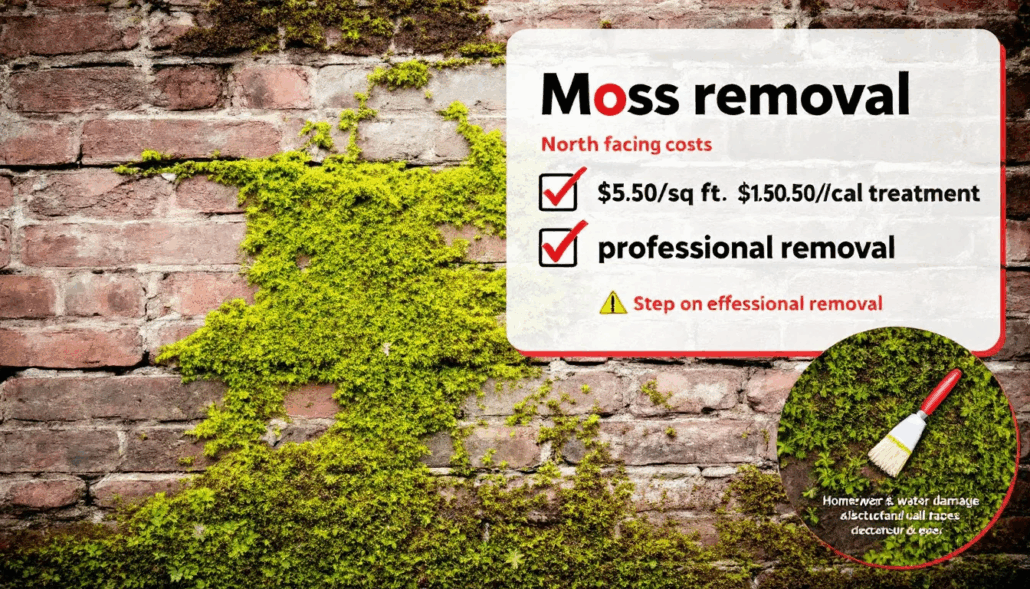
Cost implications of moss removal and potential problems if neglected.The expense incurred for eliminating moss can fluctuate widely due to a variety of determinants. Noteworthy considerations include:

  • Typically, the cost for professional roof cleaning hovers around $400.
  • Homeowners usually incur expenses ranging from $250 to $650 when they opt for such services.
  • When manual labor is employed in moss removal, it tends to be the most expensive method, with an average cost of approximately $1,200 for an average-sized roof.

Roof inspection cost typically ranges from $120 to $400 depending on various factors such as the type of inspection and whether additional repairs are needed. Some roofing companies may offer free roof inspections as part of a service quote for repairs or replacements.

Several factors like the specific type of roof you have, local market competition among service providers and differing environmental conditions all contribute meaningfully towards determining the final price tag on moss elimination services. While tackling this task via DIY approaches might save money initially, these require considerable personal investment regarding time and physical effort.

Acknowledging that unchecked moss growth is not just an eyesore but could precipitate substantial repairs stemming from water infiltration damage makes investing in expertly provided moss eradication seem worthwhile. Adopting consistent upkeep alongside preventive strategies may prove beneficial by mitigating future costs over time. Investing in professional moss removal can save money in the long run by preventing costly repairs.

Benefits of Regular Roof Inspections

Having your roof inspected on a regular basis is essential for identifying and resolving minor issues before they escalate into significant problems. Early discovery of concerns like leaks or lost shingles can avert the need for extensive roof repairs, ultimately saving homeowners substantial sums by prolonging the life of their roofing materials. Regular roofing inspections are crucial in assessing the condition and integrity of your roof, ensuring that minor issues are addressed promptly. Hiring certified home inspectors for these inspections ensures a higher quality of service and thoroughness.

Fulfillment of warranty prerequisites often requires routine professional inspections of your roof. Consistently maintaining your home’s rooftop not only enhances its visual appeal, but also contributes to an increase in property value. Conducting these inspections routinely helps ensure safety by uncovering concealed structural problems that could otherwise result in dangers, including possible flaws with various roofing components and overall integrity, particularly concerning metal roofs. A thorough roof inspection is crucial in identifying potential issues and ensuring the roof’s structural integrity.

When it comes to home inspection processes, engaging professionals equipped with specialized expertise and tools ensures more comprehensive results. Investing modestly in regular inspections is advantageous as it maintains the condition of your roof while safeguarding your abode. This encompasses thorough scrutiny during both general home examinations and specific free roofing evaluations carried out by certified inspectors specializing in roofs as well as broader aspects related to house inspection.

Summary

Preserving a roof free of moss in Iowa involves understanding how moss proliferates, the timely eradication of this growth, and taking steps to prevent its return. Following the advice and employing tactics mentioned in this manual enables property owners to shield their roofs from harm attributable to moss, thereby prolonging the durability of their roofing materials.

Regular roof maintenance is essential for preventing larger issues, such as water damage and structural problems. Choosing a trustworthy roofing company for inspections and repairs ensures that your roof remains in optimal condition and prolongs its longevity.

Conducting routine inspections of your roof and seeking professional assistance when needed are crucial for detecting small problems before they escalate into expensive repairs. Commitment to regular maintenance and effectively removing moss will maintain your roof’s optimal state, thus ensuring long-term protection for your home.

Frequently Asked Questions

What is the best time for moss removal in Iowa?

For the best results in Iowa, tackle manual moss removal in summer, and if you’re using chemical treatments, aim for fall or spring.

It is crucial to follow the manufacturer’s instructions when using chemical roof moss killers to prevent potential harm to users, roofing materials, and the environment.

How does moss damage my roof?

Moss can seriously damage your roof by trapping moisture against it, which may lead to water damage and compromise its structural integrity. Additionally, moss can lead to mold growth, which negatively impacts living conditions.

It’s best to keep an eye on moss growth to avoid costly repairs! Moss can compromise the roof’s integrity, leading to material decay and safety hazards for maintenance access.

Can I remove moss from my roof myself?

Absolutely, you can remove moss from your roof yourself with a stiff broom or roof rake, but if there’s a lot of moss or if you’re worried about safety, hiring professionals is a smart choice.

When performing manual moss removal, it is crucial to use a sturdy ladder to safely reach the roof and prevent any potential accidents.

How much does professional moss removal cost?

Expect to pay between $250 and $650 for professional moss removal, depending on the size and condition of your roof.

Roof inspection cost typically ranges from $120 to $400 depending on various factors such as the type of inspection and whether additional repairs are needed.

It’s worth it to keep your roof in top shape!

What preventive measures can I take to keep my roof moss-free?

To keep your roof moss-free, regularly maintain it by cleaning gutters, trimming overhanging branches, and ensuring good attic ventilation. Proper ventilation in the attic is crucial to prevent moss growth and maintain a healthy roofing system.

These simple steps go a long way in preventing moss growth. A roofing inspector can assess the roof’s condition, identify potential issues, and ensure proper maintenance, including checking for proper insulation and ventilation in attic spaces.

A roof inspection showing damaged shingles that have blown off.

Shingles Blew Off Roof: Reasons Why and Steps for Immediate Repair

Shingles blew off your roof during the latest storm or a particularly windy day? Don’t panic. In this comprehensive guide, learn immediate steps to protect your home, understand why shingles blew off your roof, and discover how to fix and prevent shingles blew off your roof from happening again.

Key Takeaways

  • Shingles can blow off roofs due to severe weather, aging materials, or improper installation; regular inspections and quality materials can mitigate these risks.

  • Immediate action is vital when shingles are blown off; temporary solutions like tarping can prevent further damage while awaiting permanent repairs.

  • Hiring professional roofers ensures safe and efficient repairs, access to high-quality materials, and can save homeowners time and money in the long run.

Why Do Shingles Blow Off Roofs?

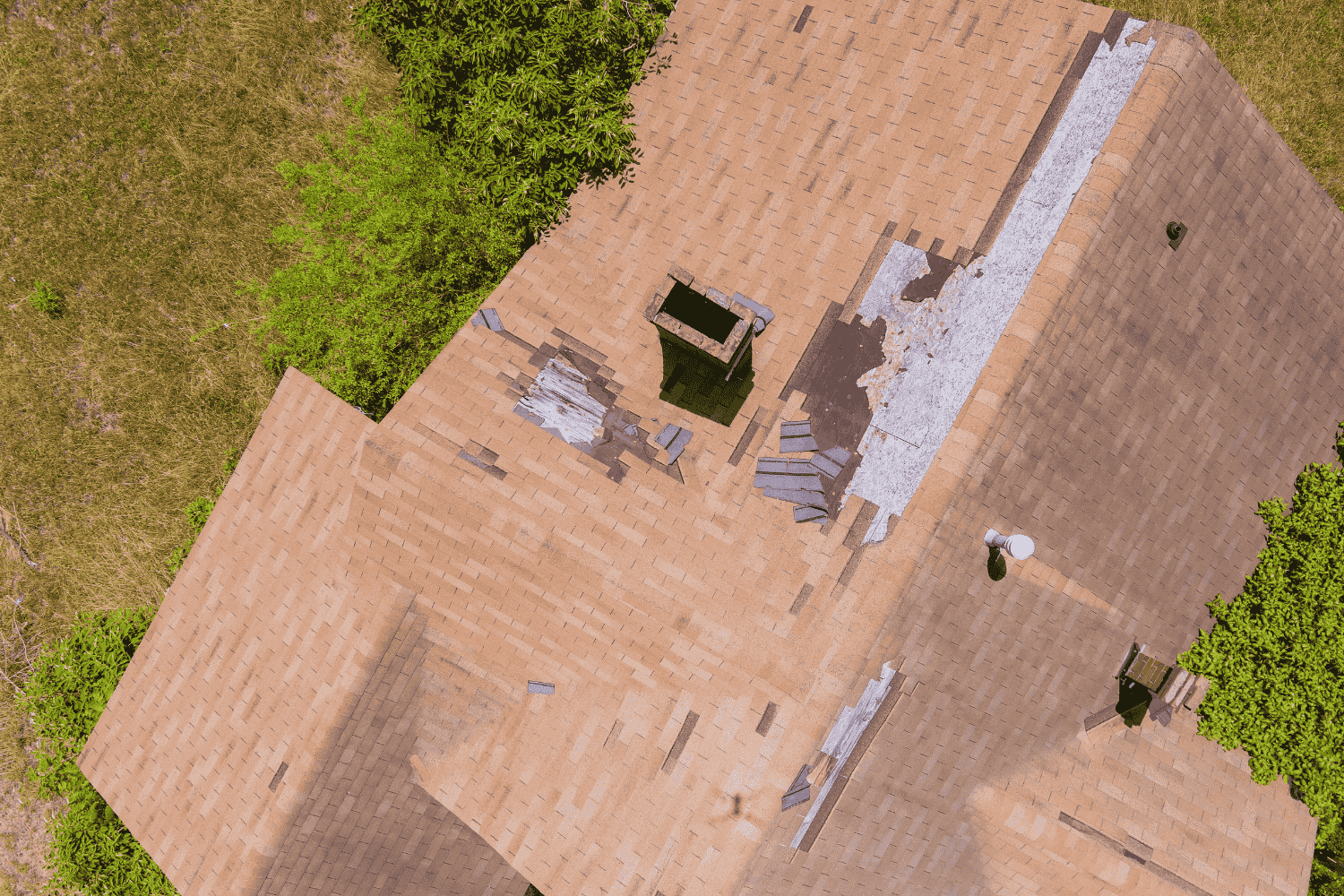
A roof with several shingles missing due to high winds.

A roof with several shingles missing due to high winds.

Understanding the reasons behind shingles blowing off roofs helps in preventing it from happening to your home. There are several reasons why this occurs, including severe weather conditions, aging roof materials, and improper installation. These factors can weaken roofing shingles, increasing their susceptibility to being dislodged during adverse conditions.

Severe weather, the natural aging process of roofing materials, and improper installation practices are the primary culprits behind shingles blowing off roofs. Exploring these factors in detail provides a better understanding of how to protect your roof and take preventive measures to avoid future issues.

Severe Weather Conditions

Severe weather conditions, such as strong winds and storms, are major contributors to shingles blowing off roofs. High winds can rip shingles from their nails, especially when they are already weakened by age or improper installation. Storms can cause significant roof damage, and regular inspections after such events are crucial to detect any issues early on.

During a storm, the force of the wind can lift roof shingle, breaking the seal that holds them in place. This is why inspecting your roof after storms is essential to prevent further deterioration and costly repairs. Scheduling regular inspections, at least twice a year, can help identify potential problems before they escalate.

Using high-quality roofing materials enhances your roof’s durability against severe weather. Upgrading to more durable materials can significantly decrease the likelihood of shingles blowing off, providing peace of mind and reducing the need for frequent repairs.

Aging Roof Materials

The aging process of roofing materials is another common reason for asphalt shingles blowing off. Asphalt shingle roofs typically last around 20 years. This is their average lifespan. As roofing materials age, they become brittle, lose adhesive properties, and become more prone to being dislodged during high winds or storms.

Signs of aging roofing materials include bald spots, cracks, blisters, curling, and holes. These indicators suggest that the shingles are deteriorating and may not provide adequate protection for your roof. Regular maintenance can help prolong the lifespan of your roofing materials and minimize the risk of weather-related damage.

Older shingles are more likely to sustain wind damage compared to newer ones. This highlights the importance of regular inspections and timely repairs to ensure your roof’s health and longevity. By catching issues early, you can address them before they lead to more severe problems.

Improper Installation

Improper installation practices can significantly increase the likelihood of shingles blowing off roofs. When nails are placed too high on the shingle or improperly driven, they may not secure the shingles effectively, leading to blow-offs. Incorrect nail positioning during installation can reduce the holding power of the shingles, making them more susceptible to high winds and storms.

Poor installation practices often result in loose roofing nails or unadhered adhesive seals. These problems can compromise the integrity of the shingles, making them more likely to become loose and blow off during adverse weather conditions. Having shingles installed correctly by professional roofers prevents these issues and extends the lifespan of your roof.

Identifying Missing Shingles

A roof inspection showing damaged shingles that have blown off.

A roof inspection showing damaged shingles that have blown off.

Early identification of a missing shingle is crucial to preventing further damage to your roof and home. One of the most obvious signs of missing shingles is the presence of darker spots, irregular patterns, and visible gaps on your roof. Regular inspections can help you spot these issues before they lead to more significant problems, such as leaks and structural damage.

Thoroughly inspecting your roof is essential for identifying missing shingles and addressing them promptly. By understanding the signs of roof damage and using the right tools for inspection, you can ensure that your roof remains in good condition and avoid costly repairs in the future.

Signs of Roof Damage

Water stains on your ceilings are indirect signals of missing shingles and potential roof leaks. These stains indicate that water is seeping through the roof, which can lead to significant structural damage if not addressed promptly. Recognizing these signs early can help you take action before the damage worsens.

Other signs of roof damage include visible gaps, loose shingles, and irregular patterns on the roof surface. Regularly checking for these indicators can help you identify issues early and prevent further damage to your home. By staying vigilant and proactive, you can maintain the health of your roof and avoid expensive repairs.

Tools for Inspection

The right tools are crucial for conducting a thorough roof inspection. Binoculars allow you to examine your roof in detail from the ground, reducing the need to climb onto the roof itself. This can be particularly useful for spotting missing shingles, loose shingles, and other signs of damage.

Safety gear, including a sturdy ladder and personal protective equipment, is essential when inspecting your roof. Ensuring that your ladder is on even ground and extends above the roof edge is critical for safety.

Having the proper tools and taking safety precautions can help you conduct a thorough inspection and identify potential issues before they become major problems.

Immediate Steps to Take When Shingles Blow Off

A person taking immediate action to tarp a roof after shingles blew off.

A person taking immediate action to tarp a roof after shingles blew off.

When shingles blow off your roof, it’s important to act fast to prevent further damage. Temporary solutions such as tarping the roof can protect your home from moisture until permanent repairs are made. Ignoring missing shingles can lead to more significant issues, such as water damage and structural problems.

Immediate action upon noticing blown-off shingles can save you time and money in the long run. By promptly addressing the issue, you can prevent further damage to your roof and home and ensure that your roof remains in good condition.

Tarping the Roof

Tarping the roof is a temporary solution that can help prevent further damage when damaged roof shingles blow off. Before getting on the roof, ensure that it is safe and stable to avoid accidents. Make sure the tarp is larger than the damaged area to effectively shield your roof from moisture and leaks.

Secure the tarp with nails or roofing cement to keep it in place until permanent repairs can be made. This temporary measure can help protect your home from further damage and give you time to arrange for professional repairs or gather the necessary supplies for a DIY roof repair.

Safety Precautions

Safety should always be a priority when addressing roof damage. Before climbing onto the roof, check the weather conditions to ensure it is safe to work. Using proper equipment, such as a sturdy ladder and personal protective gear, is essential to avoid accidents and injuries.

Performing roof repairs in mildly warm temperatures is ideal, as shingles can become brittle and difficult to handle in cold weather. Taking these safety precautions can help you conduct repairs safely and effectively, minimizing the risk of accidents and further damage to your repair roof shingles.

How to Repair Blown Off Shingles

A professional roofer assessing and repairing damaged shingles.

A professional roofer assessing and repairing damaged shingles.

Repairing blown-off shingles involves assessing the damage, removing damaged shingles, and installing new ones to repair roof shingles blown off. It’s important to gather the necessary tools and materials before starting the repair process. By following a step-by-step approach, you can ensure that your roof is properly repaired and protected from future damage.

Assessing the Damage

Start by evaluating the total damage and determining how many new shingles are needed to assess the extent of roof damage. Visible cracks in shingles can lead to water seepage and leaks, so it’s important to address these issues promptly.

Climbing on a roof poses a serious safety risk, especially in bad weather or with debris. Make sure the ladder is on even ground and extends above the roof edge before climbing. These precautions help in assessing the damage safely and effectively.

Removing Damaged Shingles

Removing damaged shingles is a crucial step in the repair process. Begin by inserting a putty knife to break the seal of the damaged shingle. Pry up the damaged shingle with a flat bar, ensuring that the area is clear and ready to replace shingles with new shingles and a replacement shingle.

Dispose of the damaged shingles and nails properly to prepare the area for new shingles. This will ensure that the new shingles can be installed securely and provide adequate protection for your roof.

Installing New Shingles

Installing new shingles involves several steps to ensure a secure and durable repair. Slide the new shingle under the tab of the shingle above and nail it down along the nail strip. Use four nails to secure standard shingles, ensuring they are properly aligned and secured.

Apply roofing cement to seal any nail holes or tears in the roof deck and secure the new shingle. This will help prevent leaks and ensure that the new shingles are properly installed and protected against future damage.

Professional Roof Repair Services

A team of roofing professionals discussing roof repair services.

A team of roofing professionals discussing roof repair services.

While DIY repairs can be effective, hiring professional roofers for shingle repairs offers several benefits. Professional teams possess the experience and expertise to complete repairs efficiently and safely. They also have access to high-quality materials that ensure the durability and longevity of the repairs.

Documenting the damage with photographs is crucial for insurance claims, and professional roofers can assist with this process. By hiring professionals, you can save time and money while ensuring that your roof is properly repaired and protected against future damage.

Benefits of Hiring Professionals

Hiring professional roofers provides access to safety measures that reduce risk during repairs. Their extensive experience allows professional teams to complete repairs efficiently, ensuring your roof is secure and protected against future storms.

Investing in superior roofing materials through professional contractors can significantly reduce the frequency of repairs and enhance the durability of your roof. This can save you more money in the long run and provide peace of mind knowing that your roof is in good hands.

Waddle Exteriors’ Roofing Services

Waddle Exteriors offers a range of roofing services tailored for both residential and commercial needs.

With over 40 years of experience, Waddle Exteriors provides comprehensive roofing solutions, including:

  • Residential roofing

  • Commercial roofing

  • Seamless gutters

  • Gutter protection systems

  • Other home improvement products and services

Waddle Exteriors begins our home improvement process with a consultation where experts evaluate roofing needs and answer any questions. Choosing Waddle Exteriors ensures your roof is in the hands of experienced professionals who prioritize customer satisfaction and quality workmanship.

Preventative Measures to Avoid Future Damage

Preventing future damage to your roof is crucial for maintaining your home’s integrity. Regular inspections and investing in high-quality roofing materials are two key strategies that can help you avoid the need for frequent repairs. These preventative measures ensure your roof remains in good condition and is better equipped to withstand severe weather.

Older roofing materials are often more susceptible to damage and loosening from high winds. Professional contractors use high-quality materials that ensure durability and longevity of repairs, which can significantly reduce the risk of shingles blowing off during storms, especially when considering roof replacement.

Regular Roof Inspections

Routine inspections are essential for identifying and addressing potential weak points in your roof. Curling or buckling shingles suggest aging or improper installation, indicating a need for inspection. Evaluating weak points helps keep your home in optimal condition and prevents more significant issues from developing.

Homeowners should arrange regular inspections to manage roof maintenance effectively. Conducting routine check-ups on your roof can identify problems before they develop into significant damage, saving you time and money in the long run.

Quality Roofing Materials

High-quality roofing material ensures the long-term durability of your roof. High-quality roofing can contribute to lower energy costs and a reduced environmental impact. Upgrading your roof material can yield a return on investment of 68%, making it a worthwhile investment for your home.

Granule loss from shingles often indicates deterioration and reduced effectiveness. Choosing high-quality materials enhances your roof’s resilience against severe weather and reduces the frequency of repairs, providing peace of mind and cost savings in the long run.

Summary

In summary, shingles blowing off your roof can lead to significant damage if not addressed promptly. Understanding the reasons behind shingle blow-offs, such as severe weather, aging materials, and improper installation, is crucial for taking preventive measures. Regular inspections and investing in high-quality roofing materials can significantly reduce the risk of future damage.

By following the steps outlined in this guide, you can effectively identify and repair missing shingles, ensuring the longevity and durability of your roof. Whether you choose to undertake DIY repairs or hire professional roofers, taking proactive measures will help protect your home and avoid costly repairs down the line.

Frequently Asked Questions

What are the common reasons shingles blow off roofs?

Shingles often blow off roofs primarily due to severe weather, aging materials, and improper installation techniques. Ensuring proper installation and using high-quality materials can help mitigate this risk.

How can I identify missing shingles on my roof?

To identify missing shingles on your roof, look for darker spots, irregular patterns, and visible gaps. Water stains on the ceiling may also indicate leaks from missing shingles.

What immediate steps should I take if shingles blow off my roof?

Immediately tarp the roof to prevent further damage and ensure safety. Additionally, consider hiring professionals for efficient repair management.

How do I repair blown-off shingles?

To effectively repair blown-off shingles, first assess the damage and remove any compromised shingles by breaking the seal. Then, slide new shingles into place, secure them with nails along the nail strip, and apply roofing cement for added stability.

Why should I hire professional roofers for shingle repairs?

Hiring professional roofers for shingle repairs is essential due to their experience and expertise, which ensures efficient and safe repairs. Their use of high-quality materials not only enhances durability but also minimizes the risk of future problems.


Common causes of roofline issues like weather damage.

A Comprehensive Guide to Roofline Repair

If your roofline is sagging, uneven, or showing signs of damage, prompt action is essential. Roofline repair addresses these issues to prevent costly structural damage and maintain your home’s safety. This guide will walk you through identifying common problems, understanding their causes, and the steps needed for effective repair.

Key Takeaways

  • Promptly addressing roofline issues can prevent costly repairs and maintain property value.

  • Roof damage falls into aesthetic and structural categories; early recognition is vital.

  • Professional roof repair services enhance safety, quality, and longevity of roofing systems.

A Comprehensive Guide to Roofline Repair

An overview of roofline repair techniques and tools.

An overview of roofline repair techniques and tools.

Your roof acts as the primary defense for your home, shielding it from various environmental threats such as rain, snow, and extreme temperatures. However, ignoring minor roofing issues can lead to significant problems like water damage and mold growth, which are costly to remediate. Moreover, a damaged roof can reduce a property’s market value, making it less appealing to potential buyers.

There are two main categories of roof damage: aesthetic damage and structural damage. Aesthetic damage includes issues like broken or missing shingles, while structural damage involves more severe problems such as sagging or uneven rooflines. If you notice sagging or uneven rooflines, consulting professionals for assessments and advice is recommended.

Addressing roofline issues promptly can prevent major problems. This guide covers recognizing these issues, understanding their causes, and the necessary repair steps. It also discusses preventative measures and the advantages of professional roofline repair services to keep your roof in excellent condition.

Introduction

Waddle Exteriors boasts over 40 years of experience in roofline repair, emphasizing the importance of professional expertise in this field. A healthy roofline protects your home from damage and ensures its longevity. Common roofline issues include sagging, water stains, mold growth, and cracked ceilings, which can affect the structural integrity of your house.

Addressing roofline problems promptly can prevent extensive repairs and maintain the home’s value. This guide will explore how to recognize roofline problems, their common causes, essential repair steps, and preventative measures to keep your roof in optimal condition.

Recognizing Roofline Problems

Identifying roofline problems such as sagging and leaks

Identifying roofline problems such as sagging and leaks

Early recognition of roofline problems can save you from costly repairs and extensive damage. Roof damage falls into two main categories: aesthetic and structural. Aesthetic damage is often more visible and less severe, while structural damage can significantly impact your home’s safety and stability.

Sagging rooflines are a sign of roof damage and should prompt homeowners to consult professionals. Ignoring minor roofing issues can lead to significant problems like leaks, mold growth, and costly repairs. Homeowners should consider replacing a roof when roofing material shows aging, experiences storm damage, or leaks are present.

Visible Deformities

Visible sagging or unevenness in a roofline indicates a potential roofline problem. Homeowners can observe roofline deformities from the ground level or by comparing to neighboring buildings. If you notice such deformities, it is crucial to schedule an inspection with a professional roofing company. A sagging roofline indicates significant structural problems. Prompt professional assessment can prevent further damage and ensure your home’s structural integrity.

Interior Damage

Interior signs of roof problems may include water stains and mold, which often point to leaks. Peeling paint can also be a symptom of underlying roof issues. The signs of roofline problems indicated by interior damage include cracked or sagging ceilings, water stains, mold growth, and peeling paint.

Signs of foundation issues can manifest as cracks in the walls or ceilings. Shifting foundations can cause noticeable misalignments in the roofline, so addressing these issues promptly can prevent further complications.

Exterior Wall Cracks

Cracks or separations in exterior walls often indicate underlying issues like a sagging roofline. Addressing these cracks promptly is crucial to prevent larger structural issues. If you notice cracks in your exterior walls, it’s a warning sign that should not be ignored.

Common Causes of Roofline Issues

Common causes of roofline issues like weather damage.

Common causes of roofline issues like weather damage.

Understanding the common causes of roofline issues can help in preventing and addressing them effectively. Improper installation of roofing can lead to a variety of issues over time. Poor installation practices can compromise the roof’s integrity, leading to significant roofline concerns.

Poor installation and weather-related damage can cause significant roofline concerns. The next subsections explore the impact of weather-related damage, structural weaknesses, and foundation problems on rooflines.

Weather-Related Damage

Wind-driven rain can cause moisture to condense on exposed nails in an attic, leading to ice formation that could drip and cause further water damage when the weather warms. Hail and falling debris can damage the roof’s surface, affecting its long-term performance and appearance.

Inclement weather, including wind-driven rain, can significantly compromise the integrity of a roofline. Snow and ice can accumulate on a roof, creating additional weight and potential for structural stress. Homeowners should be aware of weather-related risks and take preventative measures to protect their roofs.

Structural Weaknesses

Aging roofing materials can contribute to sagging structures. Nails that are improperly installed, known as ‘shiners’, can cause water leaks when moisture collects around them. Aging materials and poor construction practices can result in sagging roofs, leading to vulnerabilities in the overall structure.

Foundation Problems

Shifts in the foundation can directly impact the stability of the roof. Foundation instability can exacerbate roof sagging over time. Improper roof installation may contribute to sagging and other structural issues. Addressing foundation problems is crucial to maintaining a stable and secure roofline.

Essential Steps for Roofline Repair

Essential steps for roofline repair including inspection.

Essential steps for roofline repair including inspection.

When repairing a roofline, first assess the damage and determine the appropriate repair method. Consulting a structural engineer helps in deciding the best approach for reinforcement. Structural repairs are necessary to fix sagging or uneven rooflines.

Professional roof repairs help prevent severe roof leak and extensive damage to the home, including a leaking roof. Ignoring small leaks or damaged shingles can result in more extensive and costly repairs later on.

Inspection and Assessment

If your roof shows signs of damage, this can include sagging, water stains, or mold growth. Consult a trusted roofing contractor when you observe initial damage signs. Roofers may document pre-existing damage during inspection to avoid disputes after the repair.

Structural Reinforcement

Adding support beams or trusses can effectively reinforce a sagging roofline. Reinforcing a sagging roofline often involves installing additional support structures to enhance stability. This step is vital for maintaining structural integrity and preventing further damage.

Repairing or Replacing Damaged Sections

The first step in the repair of damaged shingles is to thoroughly inspect the area for underlying issues. Begin by inspecting the existing fascia. This is the first step in the replacement process. Common materials for fascia boards include wood, composite wood, and plastic.

Neglecting fascia board can leave them in bad condition, leading to further complications in repairs. Promptly replacing damaged fascia boards helps prevent additional damage. A simple and inexpensive option for repairing minor roof damage is to replace damaged shingles and asphalt shingles in the affected area.

Preventative Measures for Roofline Maintenance

Regular roof inspections can detect early signs of damage, preventing severe and expensive repairs. Routine inspections, shingle or flashing repairs, and clearing debris are key activities in roofline maintenance. Gutter cleaning prevents ice dams and roof leaks. A well-maintained roof enhances energy efficiency by preventing drafts, lowering heating and cooling costs. Performing roof repairs requires safety measures like using safety ropes and wearing rubber-soled shoes.

Regular Inspections

Homeowners should schedule roof inspections at least twice a year to identify potential issues early. Regular professional maintenance can identify roof weak points and prevent costly damages. Inspecting flashing around chimneys and skylights is crucial for maintaining roof integrity.

Gutter Cleaning

Cleaning gutters prevents water damage to the roof and home. Clogged gutters can cause ice accumulation, leading to problems like water seeping through decking into the home. Installing gutter guards can reduce debris accumulation and minimize cleaning frequency.

Gutter cleaning should be a regular part of your home maintenance routine. Removing leaves, twigs, and other debris ensures that water flows freely through the gutters and away from your home. This simple task can prevent significant roof damage and maintain the roofline’s integrity.

Addressing Minor Repairs Promptly

Inadequate maintenance can exacerbate weaknesses in roofing structures. A better option for repairing small holes instead of using roofing caulk is liquid flashing. Newly installed fascia boards require occasional new coats of sealant and paint to maintain their condition. Common causes of tiny holes in shingles include satellite dish mounts, antenna brackets, and loose nails.

Promptly addressing minor repairs can save money by preventing small issues from becoming major problems. Regular maintenance and timely repairs ensure the longevity and durability of your roofline.

Benefits of Professional Roofline Repair Services

Hiring professional roofline repair services offers numerous benefits. Homeowners’ insurance typically covers sudden or accidental roof damage such as fire, hail, wind, or falling trees, making hiring a professional a beneficial choice. A complete roof replacement can save money long-term by avoiding repeated repairs associated with ongoing maintenance of an older roof.

Investing in a new roof provides financial advantages, such as improved home value and reduced long-term repair expenses. Factors affecting roof repair costs include location, material prices, and labor availability; understanding these can help in choosing the right contractor. Contacting a roofing contractor in fall can lead to savings of 10% to 15%, highlighting the financial advantages of hiring professionals.

Professional roofer services offer comprehensive services, including assessment, repair, and maintenance, which can significantly increase the lifespan of a roofline. Expert services can help identify root causes of roofline issues, such as weather damage and structural weaknesses. A roofing professional can provide valuable insights into these matters.

Expertise and Experience

Experienced roofing contractors diagnose common issues accurately and address them promptly, preventing further damage. Waddle Exteriors has over 40 years of experience which contributes to our high standards of workmanship and customer satisfaction.

Quality Materials and Techniques

Roofing experts use high-quality materials that can extend the roof’s lifespan to 15-25 years. Waddle Exteriors collaborates with GAF to supply high-quality roofing materials known for their durability and performance. Through this partnership, Waddle Exteriors ensures durability and reliability for our projects.

Safety Considerations

Homeowners should not attempt to replace fascia boards themselves, as incorrect installation can lead to further issues and safety risks. Safety is critical when performing roof repairs to prevent accidents and injuries. Professionals ensure all safety protocols are followed, providing peace of mind and high-quality repairs.

How Waddle Exteriors Can Help

Waddle Exteriors provides a holistic approach to roofline repair services, focusing on customer collaboration from consultation to final inspection. We offer a comprehensive range of roofing repair services, ensuring each step, from consultation to final inspection, is expertly handled.

Consultation and Evaluation

The first step in Waddle Exteriors’ process for home improvement is a consultation where our experts visit the home to evaluate roofing needs and answer questions. During the initial consultation, we conduct an in-depth roofline assessment to identify specific needs and provide customized repair solutions.

Partnering with GAF

Waddle Exteriors partners with GAF, a top US manufacturer of roofing materials and building products. Through this partnership, Waddle Exteriors offers high-quality roofing materials that enhance customer satisfaction. This partnership ensures that the roofs installed by Waddle Exteriors are durable and reliable.

Post-Repair Assurance

Waddle Exteriors conducts thorough post-repair inspections to ensure high-quality workmanship. After completing repairs, Waddle Exteriors conducts comprehensive inspections to ensure all work meets high standards. The rigorous inspections confirm that all repairs reflect the highest standards of quality.

Summary

Maintaining a healthy roofline is essential for the safety and longevity of your home. Recognizing roofline problems early, understanding their causes, and taking essential steps for repair can prevent significant damage and costly repairs. Regular inspections, gutter cleaning, and prompt repairs are crucial for maintaining a sturdy roofline. Professional roofline repair services offer numerous benefits, including expertise, quality materials, and safety considerations.

Frequently Asked Questions

What are the common signs of roofline problems?

Common signs of roofline problems include sagging, water stains and mold inside the home, and cracks in the exterior walls. Addressing these issues promptly can prevent further damage.

How can weather-related damage affect my roofline?

Weather-related damage can significantly impact your roofline by causing structural stress and increasing the risk of water damage from elements like wind-driven rain, hail, and ice accumulation. It’s essential to address these issues promptly to maintain the integrity of your roof.

Why is it important to hire professional roofline repair services?

Hiring professional roofline repair services is crucial because they provide expertise, use high-quality materials, and adhere to safety protocols, which helps prevent further damage and ensures durable repairs. This investment safeguards your property and enhances its longevity.

What preventative measures can I take to maintain my roofline?

To maintain your roofline, conduct regular inspections, clean your gutters, and address minor repairs promptly. These steps are essential for preventing larger issues and ensuring the longevity of your roof.

How does Waddle Exteriors ensure high-quality roofline repairs?

Waddle Exteriors ensures high-quality roofline repairs through thorough inspections before and after the work, utilizing premium materials from GAF, and offering a comprehensive range of roofing repair services. This commitment to quality workmanship guarantees reliable results for every project.


Innovative roofing materials and color options.

7 Most Popular Roof Shingle Colors to Enhance Your Home in 2025

Choosing the right roof shingle color can transform your home. In this article, you’ll find the top 7 popular roof shingle colors for 2025. Discover why these colors are in demand and how they enhance different home styles.

Key Takeaways

  • The top roof shingle colors for 2025 emphasize nature-inspired tones, enhancing aesthetic appeal and harmonizing with various architectural styles.

  • Choosing the right shingle color can significantly improve curb appeal, market value, and energy efficiency based on climate considerations.

  • Homeowners should consider local regulations and HOA guidelines when selecting shingle colors to ensure compliance and maintain neighborhood aesthetics.

Top 7 Popular Roof Shingle Colors to Enhance Your Home in 2025

A home with matching roof shingle and siding colors.

A home with matching roof shingle and siding colors.

Choosing the right roof shingle color is crucial for both aesthetic appeal and the overall value of a home. The right choice can enhance your home’s aesthetics, bolster curb appeal, and even increase its market value. Roof shingle colors can also influence energy bills by reflecting or absorbing heat, making your home more energy-efficient.

In the following sections, we will delve deeper into the top trending roof shingle colors going into 2025, offering insights and guidance to help you make an informed decision. From bold blacks to earthy browns, these top 7 popular roof shingle colors for 2025 are set to redefine home exteriors.

Trending Roof Shingle Colors for 2025

Innovative roofing materials and color options.

Innovative roofing materials and color options.

In 2025, the trend in roof shingle colors is moving towards more nature-inspired tones. Homeowners are increasingly drawn to colors that reflect a natural aesthetic, blending seamlessly with their surroundings.

The most popular roof shingle colors for 2025 include:

  • Charcoal Black

  • Heather Blend

  • Dark Brown

  • Deep Blue

  • Weathered Wood

  • Desert Tan

  • Hunter Green

These colors not only provide aesthetic appeal but also cater to various architectural styles, from modern to rustic.

Charcoal Black

Charcoal Black shingles are a refined choice that complements both contemporary and traditional styles. Known for their ability to add dramatic appeal, Charcoal Black shingles harmonize with various building styles, making them a versatile option for homeowners seeking a bold and sophisticated look.

This color is perfect for creating a striking contrast with lighter exterior elements, enhancing the overall visual impact of your home’s exterior.

Heather Blend

Heather Blend shingles, featuring shades of brown and green, create a natural aesthetic that is ideal for both rustic and modern home designs. These shingles offer an organic and inviting appearance, making them a versatile choice for various siding applications.

Whether paired with wood or stone, Heather Blend shingles can enhance the natural beauty of your home’s exterior.

Dark Brown

Dark Brown shingles offer a timeless and versatile roofing option that complements both traditional and modern architectural styles. These shingles can enhance the appearance of your home by providing a warm and inviting look, especially when paired with darker shades.

Dark Brown shingles are perfect for creating a seamless connection with the natural surroundings, making them a popular choice among homeowners.

Deep Blue

Deep Blue shingles are gaining popularity due to their vibrant depth and ability to enhance curb appeal. This color evokes a French provincial style, offering a touch of sophistication and elegance to any home.

Deep Blue shingles are perfect for homeowners looking to add a unique and eye-catching element to their property’s exterior.

Weathered Wood

Weathered Wood roof shingles bring a rustic charm reminiscent of aged timber structures, making them ideal for rustic homes and cabins. These shingles offer a natural and cozy aesthetic that appeals to nature lovers.

Weathered Wood shingles blend seamlessly with natural surroundings, enhancing the overall visual harmony of your home’s exterior.

Desert Tan

Desert Tan shingles feature light brown and gold hues, providing a soothing and natural aesthetic that complements various architectural styles. These shingles create a cohesive look with earthy tones in the overall design, making them a popular choice for homeowners seeking a warm and inviting appearance.

Hunter Green

Hunter Green shingles have a deep green shade that creates a natural and sophisticated appearance. This color contrasts beautifully with lighter colors, enhancing the outdoor aesthetics of your home.

Hunter Green shingles are perfect for homeowners looking to integrate their homes more closely with the natural environment.

Choosing the Right Roof Shingle Color

A striking home with enhanced curb appeal through roof shingle colors

A striking home with enhanced curb appeal through roof shingle colors

Choosing the right roof shingle color involves balancing aesthetics, neighborhood trends, climate impact, and personal preferences. The color of a roof can significantly influence a home’s market value and energy efficiency. In warmer regions, light-colored roofs are preferable as they reflect sunlight and reduce cooling costs, while darker colors in colder climates absorb more heat, helping to keep homes warm.

When choosing a roof shingle color, consider aesthetics, neighborhood trends, climate impact, and personal taste. Customizing colors should align with climate, architecture, and personal preferences for the best results.

Understanding local regulations and guidelines ensures compliance and maintains neighborhood aesthetics.

Matching Shingle Colors with Siding

Matching shingle colors with siding is crucial to achieving a cohesive and harmonious exterior. Darker brown or black colors are ideal for complementing wood siding, while multi-colored roofs with green, brown, and gray hues work well with brown siding.

For beige homes, dark roof colors such as brown, gray, or blue create an appealing aesthetic. White siding can be paired with various shingle colors like green, blue, red, or black for a striking contrast.

Climate Considerations

Climate significantly influences the choice of roof shingle colors. In regions with hot climates, lighter shingle colors are recommended to reflect sunlight, keeping homes cooler and reducing energy costs.

Conversely, darker shingle colors in colder climates absorb more heat, which can help keep homes warm and facilitate faster snow melting.

Architectural Harmony

Choosing shingle colors that enhance the architectural style of a home creates visual cohesion between elements. Dark brown shingles, for example, balance both modern and classic design elements beautifully.

Hunter Green shingles enhance natural surroundings and contrast beautifully with lighter shades, adding to the home’s curb appeal.

Innovative Shingle Color Options and Materials

A collage of trending roof shingle colors for 2025.

A collage of trending roof shingle colors for 2025.

The roofing industry is witnessing a surge in innovative shingle color options and materials. Williamsburg Gray, inspired by natural elements like river rocks and granite, is recognized as the 2024 Shingle Color of the Year.

Flexible and eco-friendly roofing alternatives are emerging as popular choices for homeowners, including synthetic slate shingles made from recycled materials and living roofs covered with vegetation. Recycled metal roofing, made from reclaimed materials, offers durability and minimal maintenance.

These innovative materials not only provide aesthetic appeal but also cater to the growing demand for sustainable and energy-efficient roofing solutions.

Asphalt Shingles Versatility

Asphalt shingles are known for their versatility and popularity among homeowners. Available in a wide range of color options, including black, charcoal, blues, greens, and browns, asphalt shingles cater to diverse aesthetic preferences.

Architectural asphalt shingles, which are the most popular type for new roofs, provide blended colors and an appealing look, enhancing the overall aesthetic of homes.

Eco-Friendly and Energy-Efficient Choices

Eco-friendly roofing materials help minimize environmental impact while enhancing a home’s energy efficiency. Selecting sustainable shingles contributes to creating a more environmentally responsible roofing solution.

These shingles can also improve home energy efficiency by providing better insulation and reflecting heat.

Enhancing Curb Appeal with Roof Shingle Colors

A beautiful home showcasing popular roof shingle colors.

A beautiful home showcasing popular roof shingle colors.

Selecting the right roof shingle color can significantly impact a home’s curb appeal and overall market value. The color of roofing shingles is crucial for improving a home’s visual impact and increasing its value. Trends in roof shingle colors for 2025 show a blend of traditional aesthetics and modern innovations, helping homeowners create a timeless look that maintains property value over time.

Following HOA guidelines helps ensure the aesthetic coherence of the neighborhood and protects property values. Roof shingle color selection is essential for complementing the home’s overall style and enhancing visual appeal.

The Impact of Curb Appeal

The right shingle color enhances curb appeal, boosting the home’s resale value. A color-coordinated exterior, including the roof color, can significantly contribute to the perceived value of a home. Matching the shingle color to the trim creates a cohesive look, enhancing visual appeal.

Light grey or textured shingles can accentuate roof design elements and contribute to visual and architectural harmony.

Personalizing Your Home

Choosing the right roof shingle color allows homeowners to showcase their individual taste and personality. The perfect roof shingle color should complement the home’s surroundings to create harmony in the overall aesthetic.

Personal style is expressed through roof shingle color choices, making each home unique and reflective of its owner’s preferences.

Understanding Warm vs. Cool Shingle Colors

Understanding the difference between warm and cool shingle colors can help homeowners make informed decisions. Warm roof shingle colors tend to create a vibrant and inviting ambiance, making homes look more approachable. Brighter shades are suitable for sunnier areas, while earthy greens and blues work better in wooded or mountainous regions. Cool colors, on the other hand, complement bright flower landscapes, whereas warmer colors are more suitable for natural landscapes.

Weathered wood shingles offer a rustic and charming look, reminiscent of aged timber, creating a cozy atmosphere. Color affects emotions and moods; light colors offer serenity, while dark colors provide comfort.

Warm Shingle Colors

Warm shingle colors include vibrant shades such as beige and orange, which enhance the earthy aesthetic of buildings. Warm shingle colors are renowned for transforming ordinary buildings into eye-catching properties, making them more inviting.

Architectural asphalt shingles are often favored for their appealing texture that adds visual depth, contributing to a warm and inviting look.

Cool Shingle Colors

Cool shingle colors such as light blue and white are often chosen for their ability to provide a modern and soothing aesthetic. These colors are perfect for creating a serene environment, blending seamlessly with bright flower landscapes and natural surroundings.

Cool colors can also help in reflecting sunlight, making them a practical choice for homes in warmer climates.

Navigating Local Regulations and HOA Guidelines

Complying with local regulations ensures chosen shingle colors meet community standards. Adherence to HOA rules and local codes maintains neighborhood aesthetics and protects property values.

Homeowners should review their HOA’s covenants to understand the approved roof shingle color options. HOA approval processes often include submitting forms and proposed color choices for review to ensure compliance with community standards. Consulting local governing bodies can help clarify specific requirements regarding roof shingle colors, ensuring that your choices align with local regulations.

Working with HOA guidelines ensures compliance with community standards and enhances home appearance. By following these guidelines, homeowners can improve their home’s aesthetics and help maintain property values. Adhering to these rules not only benefits individual homeowners but also contributes to the overall cohesion and appeal of the neighborhood.

Summary

In summary, selecting the right roof shingle color is a crucial decision that impacts your home’s aesthetic appeal, energy efficiency, and market value. The top trending colors for 2025, including Charcoal Black, Heather Blend, Dark Brown, Deep Blue, Weathered Wood, Desert Tan, and Hunter Green, offer a variety of options to suit different architectural styles and personal preferences.

By considering factors such as siding, climate, and local regulations, homeowners can make informed choices that enhance their home’s curb appeal and overall value. Embrace these trends and make your home stand out with the perfect roof shingle color.

Frequently Asked Questions

How do I choose the right roof shingle color for my home?

To choose the right roof shingle color, consider your home’s architectural style and siding color, as well as local climate and neighborhood trends. Additionally, verify any local regulations or HOA guidelines to ensure compliance.

What are the popular roof shingle colors going into 2025?

For 2025, popular roof shingle colors include Charcoal Black, Heather Blend, Dark Brown, Deep Blue, Weathered Wood, Desert Tan, and Hunter Green. These hues are anticipated to enhance both aesthetic appeal and property value.

How can roof shingle colors impact my home’s energy efficiency?

Roof shingle colors significantly affect your home’s energy efficiency; light-colored shingles reflect sunlight and lower cooling costs in warm climates, while dark-colored shingles absorb heat, providing warmth during colder weather. Choosing the right color can ultimately help you save on energy bills while enhancing comfort.

What are some eco-friendly roofing options?

Eco-friendly roofing options such as synthetic slate shingles from recycled materials, living roofs with vegetation, and recycled metal roofing help reduce environmental impact while providing effective protection. Choosing these materials is a sustainable choice for your roofing needs.

Why is it important to follow HOA guidelines when choosing roof shingle colors?

It’s essential to adhere to HOA guidelines for roof shingle colors to maintain community standards and protect property values. Compliance enhances the overall aesthetic appeal of the neighborhood.


Benefits of cold process roofing including durability and cost-effectiveness.

Essential Cold Process Roofing Techniques for Durable Roofs

Cold process roofing involves applying roofing materials without the use of heat, enhancing safety and ease of installation. Ideal for various climates, it offers durability and longevity. In this article, we’ll explore its components, benefits, installation steps, and maintenance tips.

Key Takeaways

  • Cold process roofing is a safe, versatile method that uses cold-applied adhesives and modified bitumen membranes, eliminating the need for open flames and simplifying installation in various weather conditions.

  • Key advantages of cold applied roofing systems include energy efficiency, low odor options, quick installation with minimal equipment, and the ability to withstand harsh weather, with an expected lifespan of 10 to 30 years.

  • Regular inspections and maintenance are critical for the longevity of cold applied roofs, helping to identify and address common issues, while choosing an experienced contractor with quality manufacturer partnerships ensures effective and reliable installation.

Understanding Cold Process Roofing

An overview of cold process roofing materials and techniques.

Cold process roofing uses a liquid or cold-applied method without open flames, reducing toxic fume risks. It’s especially effective for repairing existing roofs. This method is also easier to apply in diverse weather conditions, including colder temperatures.

Cold applied systems use adhesives that eliminate the need for open flames, enhancing safety. These adhesives and membranes allow for heat-free installation, simplifying the process compared to hot applied systems that involve heating asphalt.

Cold applied roofing stands out for its versatility and user-friendliness. The installation process can be customized to meet various roofing requirements, making it suitable for diverse buildings and environments. This method ensures safety while enhancing roof durability and longevity.

Key Components of Cold Applied Systems

Cold applied systems offer innovative roofing solutions that eliminate the need for heating during installation. These systems consist of several key components that collaborate to create a durable and reliable roofing solution.

Cold applied adhesives provide versatility and a lower environmental impact compared to traditional hot asphalt. Modified bitumen membranes enhance durability and waterproofing capabilities. Using multiple plies in cold applied roofing increases overall strength and extends the roof’s service life.

Cold Applied Adhesives

Cold applied adhesives are safer to handle and reduce health risks from fumes and burns compared to hot asphalt. Polyether-based adhesives are favored for their low VOC emissions and quick curing times, promoting a healthier work environment. These solvent based adhesives bond with modified bitumen membranes through solvent-welding, ensuring strong adhesion.

The strong bonding capabilities of these adhesives enhance the durability of roofing applications and simplify installation using tools like squeegees or rollers. This makes cold applied adhesives an excellent choice for various roofing projects, ensuring both safety and efficiency.

Modified Bitumen Membranes

Modified bitumen membranes, enhanced with polymers, offer improved flexibility and durability in roofing applications. These membranes enhance waterproofing properties, making roofs more resistant to environmental elements. Seam welding in modified bitumen roofing can be performed using open-flame torches or hot-air welding, each with distinct techniques and safety considerations.

Some modified bitumen membranes require heat welding at seams, while others use adhesive. Heat welding fuses two layers of modified bitumen membranes, creating a continuous waterproof barrier. This ensures the roof remains durable and leak-proof for an extended period.

Multiple Plies for Enhanced Protection

Multiple plies in roofing systems significantly increase resistance to water penetration and extend the roof’s lifespan. In cold applied roofing, this method improves strength and structural integrity, providing added protection against the elements.

Incorporating multiple plies enhances the durability and waterproofing of cold applied roofing systems, providing a robust and long-lasting solution. This makes them a preferred choice for both residential and commercial projects.

Advantages of Cold Process Roofing

Benefits of cold process roofing including durability and cost-effectiveness.

Cold-applied roofing systems are known for their energy efficiency and ability to extend the roof’s lifespan. Elastomeric roof coatings provide strong UV resistance and help lower roof surface temperatures. These systems can be installed without hot materials, enhancing safety and environmental friendliness.

Cold process roofing systems utilize materials that contribute to less environmental pollution compared to traditional methods. Their simple application, requiring minimal equipment, makes them accessible for various new construction projects. Cold applied roofing systems typically last around 20 years, requiring regular inspections to identify potential defects.

Low Odor and Solvent-Free Options

Using low odor and solvent-free materials in roofing reduces harmful emissions, promoting better air quality during installation. Cold applied roofing systems formulated with lower VOC emissions address environmental concerns, benefiting both users and the environment.

Solvent-free cold applied roofing systems significantly reduce unpleasant odors, making them suitable for sensitive environments like hospitals and schools. Using low odor, solvent-free materials enhances indoor air quality and reduces health risks for workers and occupants.

Incorporating low odor and solvent-free options into cold process roofing enhances environmental sustainability and improves overall health safety.

Quick Installation and Minimal Equipment

Installing cold process roofing requires minimal equipment, allowing for a simpler and less expensive setup compared to traditional methods. It can be installed quickly with fewer tools, saving time and labor costs. Most installations can be completed by a small team, often in a fraction of the time compared to traditional methods.

Cold process roofing can be easily installed even in challenging areas due to its equipment-free application method. This makes it an ideal choice for both residential and commercial projects, providing a quick and efficient solution.

Long-Term Service Life and Wind Resistance

Cold applied roofing systems offer enhanced durability and wind resistance, contributing to long-term performance. Designed to last 10 to 30 years, they endure harsh weather conditions and provide superior wind uplift resistance.

SBS-modified bitumen membranes are favored for low-slope roofs due to their durability in various weather conditions and compatibility with cold adhesive applications. This ensures roofs remain secure and intact during extreme weather events.

Installation Techniques for Cold Applied Roofing

Installation techniques for cold applied roofing systems.

The relax prior method ensures proper adhesion and curing in cold applied roofing. Various application methods, such as brush, roller, and pail, help achieve optimal results. Strong seams are crucial for the integrity of cold applied roofing, and methods like heat welding enhance their durability.

Relax Prior Method

The relax prior method involves allowing roofing materials to rest before installation, reducing tension and ensuring better adhesion. This process allows roofing sheets to settle and conform to ambient conditions before installation, ensuring proper bonding.

Allowing membrane sheets to sit before embedding aids in achieving proper adhesion. This method ensures roofing materials have adequate time to relax before installation, promoting better bonding.

Coverage Rates and Application Methods

Coverage rates for cold applied roofing systems vary based on the product used, with application methods including rollers, sprayers, and squeegees to achieve uniform thickness. Correct coverage rates are crucial; deviations can lead to improper adhesion and performance. Tools like rollers, brushes, and V-notched squeegees ensure optimal coverage when applying cold adhesives, which varies based on the specific technique employed.

Different application methods, such as brushing or rolling, can affect the coverage rates and effectiveness of cold applied roofing materials. These membranes typically use bituminous adhesives for bonding, which do not require heating during installation. Eliminating solvents in these roofing systems allows for faster adhesive curing, leading to shorter project durations.

Seams and Heat Welding

Heat welding creates strong seams in cold applied roofing, providing a monolithic membrane that enhances durability. Hot-air welders utilize a robotic system that delivers consistent heat and pressure, minimizing human error and enhancing seam quality.

Heat welding provides a monolithic membrane that ensures strong, reliable seams, enhancing durability. This technique is essential for the longevity and waterproofing of the roof, a key aspect of cold applied roofing systems.

Maintenance and Inspection Tips

Maintenance tips for extending the lifespan of cold applied roofing.

Regular inspections are vital for identifying issues early and prolonging the life of cold applied roofing. Ongoing maintenance is crucial for extending the lifespan of these systems. Cold process roofing systems are safer for workers by eliminating hot asphalt and associated fumes.

Regular Inspections

Regular inspections ensure the integrity and longevity of cold applied roofing systems. Frequent inspections help identify issues early, preventing costly repairs. Seasonal inspections check for weather-related damages and wear on roofing materials.

Inspection areas include the roof field and flashings, where water infiltration risks are heightened. Identifying visible defects in the roofing membrane, such as holes or cracks in seams, is critical. Routine inspections help identify problems like ponding water and vegetation growth that can damage the roof.

Common Issues and Solutions

Common issues in cold process roofing include moss and algae growth, delamination of flashings, and insufficient vertical height between flashings and cap sheets. Moss and algae can cause significant damage if not treated, necessitating annual cleaning and preventative measures. Delamination in flashings can manifest as wrinkling, open seams, and blistering, indicating a need for repair.

Insufficient vertical height between the flashing and cap sheet can lead to water accumulation, necessitating careful monitoring. Promptly addressing these issues can prevent severe damage and extend the roof’s lifespan.

Extending Roof Lifespan

Addressing minor roof issues promptly can significantly extend the overall lifespan of the roofing system. Neglecting minor issues can lead to more significant problems over time.

Regular maintenance and timely repairs positively contribute to the longevity of a cold applied roof. This involves routine inspections, addressing detected issues immediately, and ensuring the roof remains in optimal condition.

Choosing the Right Roofing Contractor

Choosing the right roofing contractor for cold applied roofing projects.

Choosing the right roofing contractor ensures quality and durability in cold process roofing systems. Evaluating contractor experience includes looking for specialists in cold applied roofing to guarantee expertise and high-quality workmanship. Partnerships with manufacturers, like Waddle Exteriors’ collaboration with GAF, enhance a contractor’s ability to provide quality installations and products.

Homeowners should ask potential contractors about their experience with cold applied systems, previous projects, and manufacturer relationships to aid their decision. This ensures that the selected contractor is well-equipped to handle the roofing project effectively and efficiently.

Evaluating Contractor Experience

Contractors with extensive experience are more likely to handle various roofing challenges effectively. It’s essential to choose a contractor with specific experience in cold applied roofing systems to ensure effective installation. Assessing a contractor’s past projects can provide insights into their craftsmanship and reliability. Homeowners should inquire about a contractor’s licensing, insurance, and references to gauge their reliability and professionalism.

Importance of Manufacturer Partnerships

Waddle Exteriors collaborates with GAF, a top US manufacturer of roofing materials, to prioritize customer satisfaction and offer high-quality products. Manufacturer partnerships play a crucial role in the roofing industry, enhancing installation quality and product reliability. These partnerships not only ensure the highest standards in product quality but also elevate customer trust and satisfaction.

Establishing strong manufacturer partnerships is essential for the success of roofing projects, leading to durable and reliable outcomes. This collaboration ensures that the roofing materials used are of the highest quality, contributing to the overall performance and longevity of the roof.

Questions to Ask Potential Contractors

Licenses and insurance are crucial indicators of a contractor’s professionalism and compliance with industry standards. Inquiring about a contractor’s permanent business location is vital to ensure they are a legitimate and established company. Understanding the total experience of a contractor in the roofing industry, rather than just their business longevity, is vital for assessing their qualifications.

It is crucial for homeowners to ask potential contractors a series of essential questions to ensure they choose the best professional for their roofing project. Asking the right questions helps homeowners make informed decisions and select trustworthy contractors for their roofing needs.

Summary

Cold process roofing offers an innovative, safe, and efficient solution for both residential and commercial roofing projects. By utilizing cold applied adhesives, modified bitumen membranes, and multiple plies, these systems provide enhanced durability, waterproofing, and environmental benefits. The advantages of cold process roofing, such as low odor and solvent-free options, quick installation, and long-term service life, make it a superior choice compared to traditional methods.

Proper installation techniques, including the relax prior method, correct coverage rates, and strong seam creation through heat welding, ensure the integrity and longevity of the roofing system. Regular maintenance and timely inspections are crucial for extending the roof’s lifespan and preventing costly repairs.

Choosing the right roofing contractor, with a focus on experience, manufacturer partnerships, and asking the right questions, is essential for a successful roofing project. Waddle Exteriors, with their extensive experience and collaboration with GAF, exemplifies the qualities of a reliable and professional roofing contractor. By understanding and implementing these essential cold process roofing techniques, homeowners and contractors can ensure durable and long-lasting roofs that stand the test of time.

Frequently Asked Questions

What is cold process roofing?

Cold process roofing involves a liquid or cold-applied method for installation, eliminating the need for open flames and thereby increasing safety and reducing the risk of toxic fumes. This approach is beneficial for both the installer and the environment.

What are the benefits of cold applied adhesives?

Cold applied adhesives provide safer handling and a lower environmental impact while offering strong bonding capabilities for enhanced durability. They are an effective choice for various applications.

How does the relax prior method improve roofing installation?

The relax prior method enhances roofing installation by allowing materials to rest beforehand, which reduces tension and promotes better adhesion. This results in a more durable and secure roofing system.

Why are regular inspections important for cold applied roofing?

Regular inspections are crucial for cold applied roofing as they enable early identification of issues, thereby preventing costly repairs and extending the roofing system’s lifespan.

What should homeowners consider when choosing a roofing contractor?

Homeowners must prioritize the contractor’s experience, verify their licensing and insurance, and inquire about any manufacturer partnerships to ensure they select a reliable and high-quality roofing contractor.


Will homeowners insurance cover new roof? Working with your insurance company for roof claims.

Will Homeowners Insurance Cover Your New Roof?

Will homeowners insurance cover your new roof? It depends on factors like the type of damage, your policy, and the age of your roof. In this article, we will explore whether homeowners insurance will cover a new roof and discuss these aspects to help you understand your coverage. Ultimately, the question of “will homeowners insurance cover new roof” hinges on these critical factors.

Key Takeaways

  • Homeowners insurance typically covers roof damage under either Actual Cash Value (ACV) or Replacement Cost Value (RCV) policies, with RCV being more favorable for full replacement costs.

  • Insurance coverage for roof damage may be denied if the roof is older than 25 years or if the damage is deemed cosmetic, highlighting the importance of understanding policy exclusions.

  • Proper documentation, including photos and inspection reports, is essential for a successful insurance claim, and selecting a reputable local roofing contractor can facilitate the claims process.

Understanding Homeowners Insurance Roof Coverage

An overview of homeowners insurance roof coverage.

Homeowners insurance typically offers two main types of roof coverage: Actual Cash Value (ACV) and Replacement Cost Value (RCV). ACV policies factor in depreciation, meaning the payout may be lower because it represents the roof’s current value, not its replacement cost. On the other hand, RCV policies cover the full cost needed to replace a damaged roof, making them more favorable but often more expensive.

Most homeowners insurance policies include roof coverage under the dwelling portion (Coverage A), which typically covers damages from sudden and accidental causes like storms, fires, and fallen trees. However, the specifics of your policy, including whether it’s an ACV or RCV policy, can greatly influence the amount received from a claim. Understanding these details is crucial for managing expectations and ensuring you’re adequately protected.

The age of your roof and the type of damage also play significant roles in determining whether an insurance company will cover the damages. For instance, if your roof is severely damaged and cannot be repaired, replacement coverage may kick in. However, if your roof is older than 25 years, many insurers may deny coverage altogether. It’s important to regularly review your insurance policy to stay informed about your coverage specifics and any potential exclusions.

Types of Roof Damage Covered by Insurance

Homeowners insurance generally covers various types of roof damage, significantly influencing coverage claims. Common causes include severe storms, fallen trees, and other unexpected events. These events can lead to significant damage such as roof collapse, major holes, and wind damage, all of which are typically covered by insurance.

Extreme weather events like heavy rain, hail, snow, and ice can also cause considerable damage, often resulting in missing shingles, blown-off shingle granules, and debris from fallen trees. Knowing the types of damage your policy covers helps you manage expectations and prepare for filing a claim.

Exclusions in Roof Coverage

While homeowners insurance covers a broad range of roof damage, there are notable exclusions. For instance, minor damage from a thunderstorm that only nicks shingles may be deemed cosmetic and not covered. Additionally, roofs older than 25 years are often excluded from coverage, as many insurers consider them too high-risk.

Failure to follow proper filing steps or prove that the damage was beyond the homeowner’s control can also result in claim denial. After roof damage, review your home insurance policy to understand what is included and excluded in your coverage. This proactive approach can prevent unpleasant surprises when you need insurance the most.

Steps to Ensure Your Roof Replacement Is Covered

Steps to ensure roof replacement is covered by homeowners insurance.

A strategic approach is needed to secure insurance coverage for a cover roof replacement. Begin by meticulously documenting the damage. Take clear photos of the exterior and any interior damage, note the date and time of the incident, and provide a detailed explanation of what happened. This documentation serves as the foundation of your insurance claim.

Then, obtain a professional roof inspection. An expert inspection report will provide a detailed assessment of the damage and an estimate for repairs or replacement. This report is vital for your insurance company to approve the claim.

Once you have all the necessary documentation and inspection reports, you can proceed to file your insurance claim. Get your claim approved before scheduling the roof replacement to avoid unexpected financial burdens.

Documenting Roof Damage

Documenting roof damage thoroughly is crucial for the insurance claim process. Start by taking extensive photos of both the exterior and interior damage, ensuring to capture all affected areas clearly. Include details such as the date, time, and a brief description of the incident to provide context. This thorough documentation supports your case and can expedite the claims process.

Consider using a ladder or drone to get close-up photos of hard-to-reach areas, and don’t hesitate to involve a local roofing company for assistance. Additionally, document any indicators of storm damage, like dents in downspouts or dings to painted surfaces, as this can further substantiate your claim.

Getting a Professional Roof Inspection

A professional roof inspection is essential for insurance claims related to roof damage. Insurance companies require a detailed inspection report to approve a roof replacement claim. This report should include a comprehensive assessment of the damage and an estimate for repairs or replacement.

Having a trusted roofing contractor present during the insurance adjuster’s inspection can ensure all damage is accurately documented. Prompt action is crucial, as delays can lead to complications with policy stipulations. Acting swiftly and having professional support can make a significant difference in the approval of your claim.

Filing an Insurance Claim

Filing an insurance claim for roof damage requires several key steps. Begin by gathering all necessary documentation, including photos of the damage, the inspection report, and repair estimates. Submit these documents to your insurance company to initiate the claims process.

Ensure your claim is approved before scheduling the roof replacement. If there are disagreements about the claim amount, gather independent estimates to support your case. Engaging a trusted roofing contractor can also help resolve any disputes with the insurance company. For additional advocacy, hiring a public adjuster might lead to better settlement outcomes.

Working with Your Insurance Company

Working with your insurance company for roof claims.

Clear communication with your insurance company is vital throughout the claims process. Your insurance agent plays a crucial role in facilitating a smooth process, from submitting the claim to coordinating with roofing experts. Regular updates and prompt responses to any requests for additional information can help expedite the approval and payment stages.

Collaborating with an experienced roofing company can also streamline the process. Local roofing contractors often have established relationships with insurance adjusters, which can facilitate smoother claims experiences. Insurance companies might suggest trustworthy roofing companies. These companies are known for doing excellent work previously.

Role of the Insurance Adjuster

The insurance adjuster plays a pivotal role in the claims process, responsible for documenting the damage and estimating repair costs. Their assessment significantly influences the claim’s outcome, making their inspection critical. Adjusters evaluate various factors, including the roof’s age, weather damage, and code compliance, to determine the extent of coverage.

After the assessment, the adjuster may request additional information to finalize the claim. Providing all required documentation promptly can help avoid delays and improve the chances of claim approval.

Handling Disputes with Your Insurance Company

Disputes with your insurance company can arise, often due to misconceptions or incomplete filings. To handle these disputes effectively, maintain open communication with your insurance agent and ensure all documentation is accurate and comprehensive. If your claim is denied, consider gathering independent estimates to support your case and hiring a public adjuster for additional advocacy.

Remember to pay your deductible once your claim is approved. It’s important to note that it’s illegal for roofing companies to pay deductibles on behalf of homeowners. Ensuring your claim is approved before scheduling any roof replacement can prevent unexpected financial responsibilities.
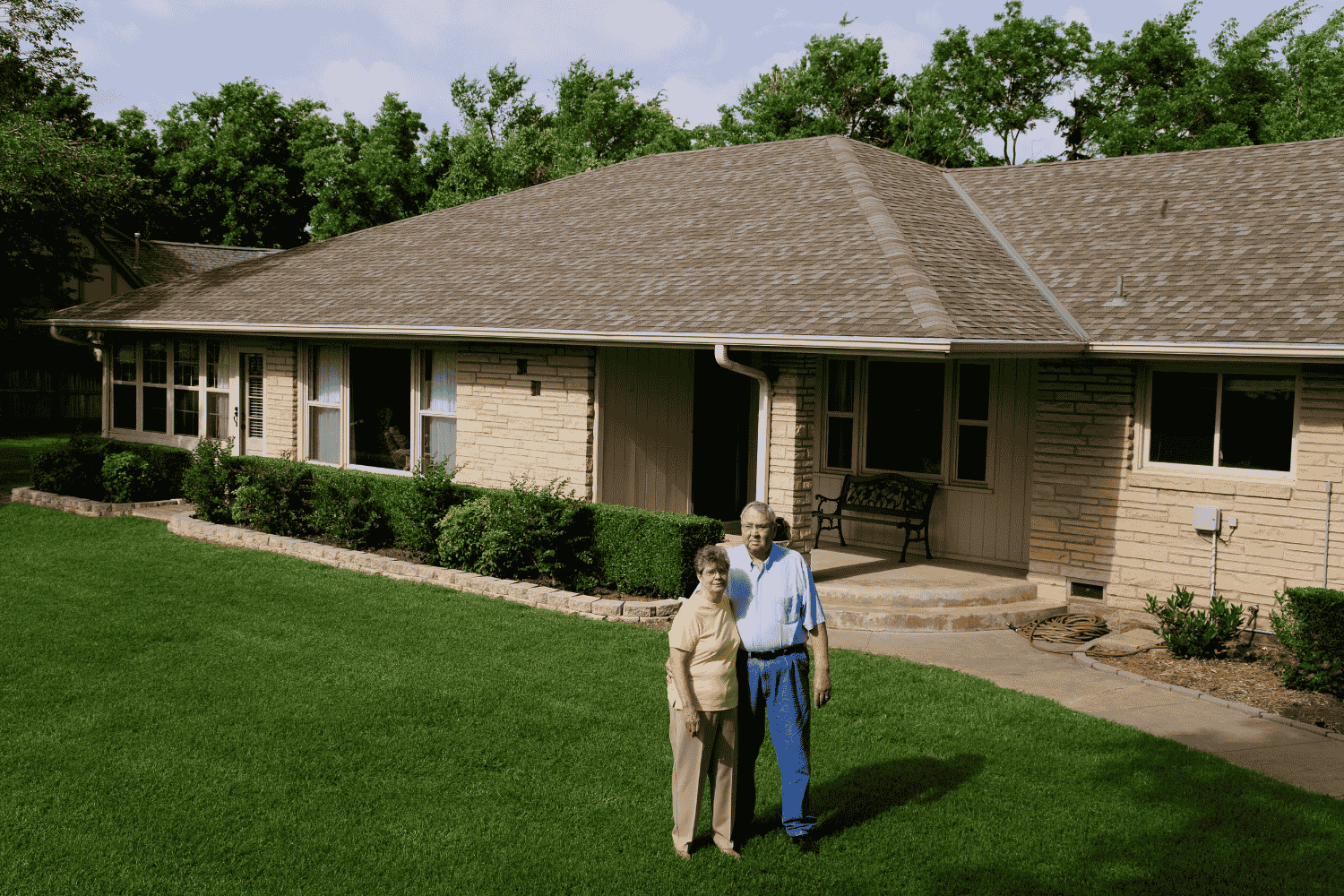
Choosing the Right Roofing Contractor

Choosing the right roofing contractor for roof repairs.
Selecting the right roofing contractor is crucial for a successful roof replacement. Hire a trustworthy and experienced contractor who is licensed, bonded, and insured. A reputable roofing contractor can prevent issues like overcharging or poor-quality work, which might lead to claim denial.
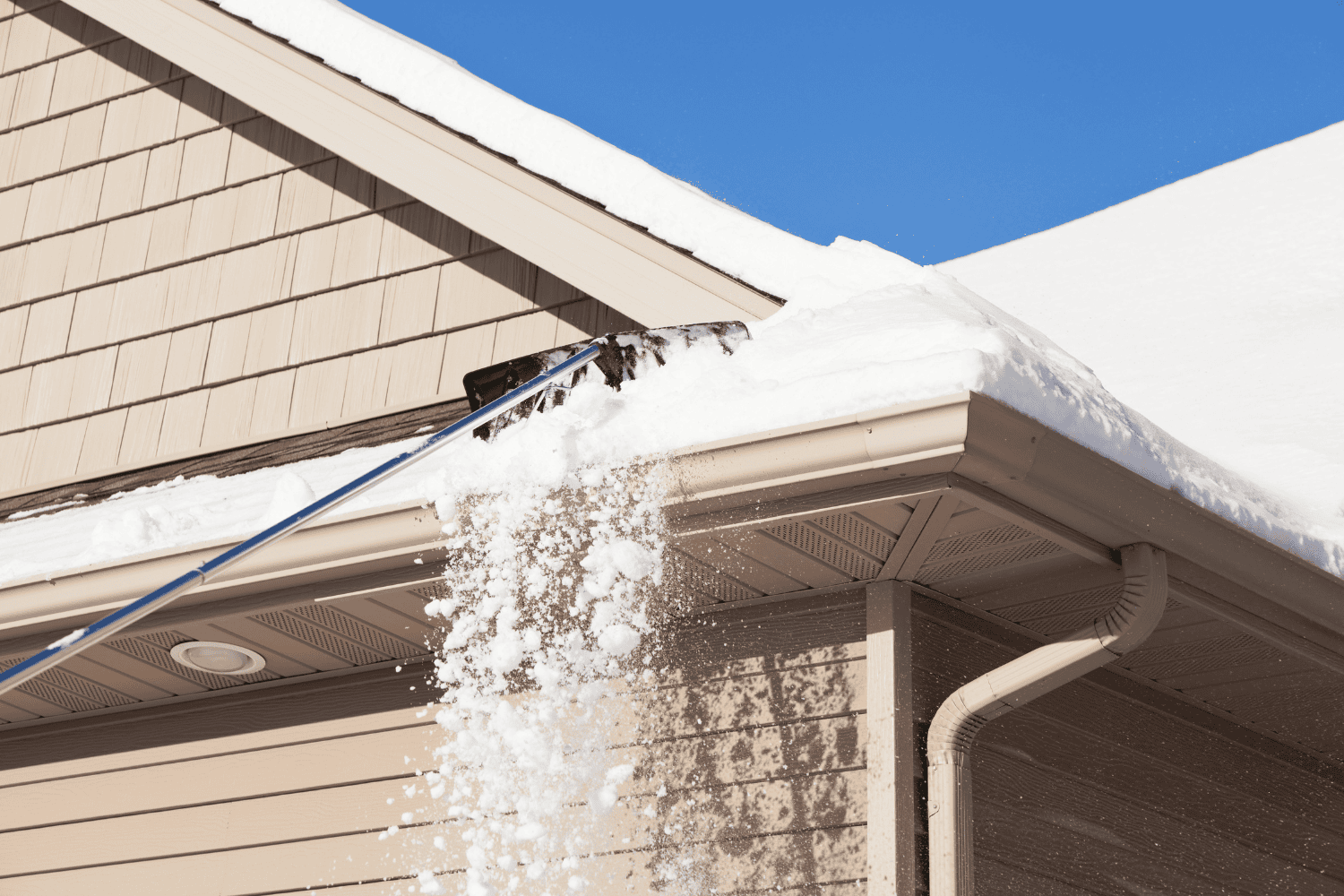
Local roofing contractors are generally more motivated to ensure quality work since they serve their own community. Additionally, having a professional roofer present during an insurance inspection can be beneficial as insurance adjusters may lack roofing expertise.

Importance of Local Roofing Companies

There are several advantages to hiring local roofing companies. These contractors are familiar with the specific weather conditions of the area, ensuring the roofs are built to withstand local challenges. Their experience with regional weather patterns impacts the materials and techniques they use, leading to more durable and suitable roofing solutions.

Local roofing companies are also well-versed in the building codes and regulations that apply in the region, ensuring compliance and avoiding potential legal issues. Choosing a reputable local contractor guarantees quality workmanship and better post-installation support.

Avoiding Scams and Fraudulent Contractors

Homeowners must avoid scams and fraudulent contractors. Scammers often offer low prices for quick repairs, luring homeowners into paying for subpar work. To prevent this, verify the contractor’s licensing and read customer reviews to ensure reliability.

Taking these precautions can save homeowners from costly mistakes and ensure that their roof replacement is handled by a reputable and competent contractor.

Preventative Measures to Maintain Roof Health

Preventative measures to maintain roof health.

Keeping your roof in good health is essential for extending its lifespan and improving the chances of getting insurance claims approved. Regular maintenance and inspections can help identify issues before they lead to significant damage. Proactive roof care extends the life of your roof and prevents future insurance complications.

Routine grounds maintenance, such as clearing debris from gutters and ensuring proper drainage, can prevent water damage and other roof issues. Regularly inspecting vulnerable areas of your roof helps prevent damage from weathering and aging.

Regular Roof Inspections and Maintenance

Periodic checks help assess vulnerable areas of the roof. Removing organic debris from your roof at least twice a year helps avoid moisture retention that can damage shingles. Checking flashing around chimneys and vent pipes for rust or damage is critical to maintain a watertight seal.

Trimming nearby tree branches can prevent damage to shingles caused by rubbing. Neglecting minor repairs could escalate into costly replacements in the future.

Addressing Minor Repairs Promptly

Addressing minor repairs promptly is key to maintaining the integrity of your roof. Small issues, if left unaddressed, can escalate into significant problems requiring extensive and expensive repairs. For example, a minor leak can quickly turn into severe water damage, compromising the structural integrity of your home.

Taking care of minor repairs as soon as they arise can save money in the long run. This proactive approach not only prevents larger issues but also ensures that your roof repair remains in good condition, which can be crucial when filing an insurance claim for more significant damage.

Financial Considerations and Options

Financial planning is an integral part of roof replacement. Understanding your deductible is the first step. A deductible is the out-of-pocket amount you pay before your insurance covers the rest of the claim. This amount varies depending on your insurance policy, so it’s important to know your financial responsibility before proceeding with a claim.

Financing options can also alleviate the burden of roof replacement costs. Homeowners can finance the roof replacement and make monthly payments according to their budget. Companies like Waddle Exteriors assist customers in exploring the best financing options tailored to their needs once the estimate is finalized. This ensures that you can manage the cost of a new roof without straining your personal finances.

Understanding Deductibles

A deductible is a key aspect of your insurance policy that affects your out-of-pocket expenses when filing a roof insurance claim. Before receiving any insurance benefits for roof replacement, homeowners must pay their deductible amount. This amount can vary depending on your policy, so it’s crucial to be aware of your deductible to plan accordingly.

Knowing your deductible helps you prepare financially for roof repairs or replacement. It also ensures that you are not caught off guard when it comes time to file a claim and receive coverage from your insurance provider.

Financing Your Roof Replacement

When it comes to financing your roof replacement, several options are available. Homeowners must pay for a new deductible regardless of the chosen financing method. One approach is to finance the roof replacement and make monthly payments that align with your budget. This can be particularly helpful for managing the expense without a significant immediate financial burden.

Companies like Waddle Exteriors help customers explore the best financing options tailored to their budget. By working with professionals, you can find a plan that suits your financial situation, ensuring that your roof replacement is affordable and manageable.

Summary

In summary, navigating the complexities of homeowners insurance for roof coverage requires a proactive approach and thorough understanding. From documenting roof damage and getting professional inspections to filing insurance claims and working with reputable contractors, each step is crucial for ensuring your roof replacement is covered. Regular maintenance and prompt repairs also play a significant role in extending your roof’s lifespan and improving insurance claim outcomes.

By following the advice and steps outlined in this guide, you can confidently manage your roof’s health and insurance claims. Remember, taking proactive measures today can save significant time, money, and stress in the future. Stay informed, be prepared, and protect your home with the right knowledge and actions.

Frequently Asked Questions

What types of roof damage are typically covered by homeowners insurance?

Homeowners insurance typically covers roof damage caused by sudden and accidental events, including storms, fallen trees, roof collapse, major holes, and wind damage. It’s essential to review your policy for specific coverage details.

What are common exclusions in roof coverage?

Common exclusions in roof coverage typically include cosmetic damage, like minor nicks from storms, and roofs that are over 25 years old, as well as damage deemed beyond the homeowner’s control. It’s essential to carefully review your policy to understand these limitations.

How can I ensure my roof replacement is covered by insurance?

To ensure your roof replacement is covered by insurance, thoroughly document the damage and obtain a professional roof inspection before filing your claim with all necessary paperwork. Additionally, working with a reputable roofing contractor can strengthen your case.

What role does the insurance adjuster play in the claims process?

The insurance adjuster plays a crucial role in the claims process by documenting damage, estimating repair costs, and potentially influencing the outcome of your claim. Their thorough inspection and request for additional information are essential for finalizing the claim.

How can I finance my roof replacement?

You can finance your roof replacement through monthly payment plans that fit your budget, and companies like Waddle Exteriors can help you explore the best financing options after providing an estimate. This approach allows you to manage the costs effectively while ensuring your home remains protected.


An illustration showing how to calculate roof load for safe building projects.

How to Accurately Calculate Roof Load for Safe Building Projects

Calculating roof load accurately is crucial for safety and code compliance. This guide covers everything from understanding the different types of loads to using specialized tools to calculate roof load with precision. By following these steps, you can ensure your roof can safely support its intended loads.

Key Takeaways

  • Accurate roof load calculations are essential for building safety, encompassing dead loads, live loads, and environmental loads, each contributing to overall roof stability.

  • Understanding the distinctions between dead, live, and environmental loads, as well as local building codes, is crucial for ensuring structural integrity and compliance during construction.

  • Utilizing digital tools for roof load calculations improves accuracy and efficiency, helping builders and engineers to better assess load capacity and make informed decisions.

How to Accurately Calculate Roof Load for Safe Building Projects

An illustration showing how to calculate roof load for safe building projects.

Understanding roof load calculations is not just a technical necessity; it’s a critical component of building safety. Roof load capacity refers to the maximum weight a roof can support without risking structural failure. This encompasses various types of loads, including dead loads, live loads, and environmental loads, each playing a vital role in the overall stability of the roof.

Dead loads include the weight of the roof structure itself and any permanent fixtures or equipment attached to it. Live loads, on the other hand, account for temporary weights such as maintenance personnel and their tools. Environmental loads are influenced by natural factors like snow and wind, which can significantly impact the roof’s structural integrity.

Accurate roof load calculations are essential in preventing structural failures. Evaluating the maximum weight a roof can support ensures that the design and materials are adequate for the expected loads. This safeguards the building and its occupants while ensuring compliance with local building codes and regulations.

Introduction

The roof of any building is more than just a cover; it’s a critical structural element that protects against external elements like rain, wind, and snow. Ensuring that a roof can support the necessary loads over time is fundamental to maintaining the safety and integrity of the entire structure, including its structural elements.

Inaccurate roof load calculations can lead to catastrophic failures, resulting in significant safety hazards and increased construction costs. Anyone involved in building design and construction must understand the parameters affecting load calculations, such as the weight of roofing materials, span, and environmental factors.

This guide will delve into the nuances of roof load calculations, using practical examples and span tables to illustrate the process. We’ll cover everything from understanding the basics of loads and load combinations to using specialized tools for precise calculations. By the end, you’ll be well-versed in the steps necessary to ensure your roof structure can safely support its intended loads.

Understanding Roof Load Basics

Grasping the basics of roof load calculations is crucial for the safety and longevity of any building. Roof load capacity is the maximum weight a roof can support without risk of collapse. Ensuring that this capacity is not exceeded is vital for preventing structural damage and safeguarding the occupants.

The primary types of loads that contribute to a roof’s load capacity are dead loads and live loads. Dead loads consist of the weight of the roof itself along with any permanently attached equipment or fixtures. Live loads, however, are temporary and include the weight of maintenance personnel, equipment, and other movable objects.

Environmental factors such as snow, wind, and seismic activities also play a significant role in roof load calculations. These factors must be considered to ensure the roof can withstand various conditions throughout its lifespan. Ignoring these elements can lead to disastrous consequences, including roof collapse and significant financial loss.

Types of Roof Loads

Different types of roof loads including snow and live loads.

Roof loads are categorized into three main types: dead loads, live loads, and environmental loads. Each of these loads affects the roof structure differently and must be accurately calculated to ensure the roof’s stability and safety.

Dead loads are the permanent weights that include roofing materials, beams, and fixtures. Live loads refer to temporary weights such as people, furniture, or equipment placed on the roof. Environmental loads, which include snow and wind, are critical in determining the roof’s design and its ability to withstand natural elements.

Each type of load requires careful consideration and precise calculation to maintain the roof’s structural integrity.

Dead Loads

Dead loads consist of the self-weight of both structural and non-structural components of a roof. Computing these loads requires establishing the density and dimensions of roofing materials.

For instance, asphalt shingles typically weigh around 2 to 3 pounds per square foot, which must be added to the base dead load to determine the total load for the structure.

Live Loads

Live loads represent transitory added weight, such as people and movable furniture, affecting roof live loads calculations, including point loads. These loads vary over time and typically include a minimum live load value of 20 pounds per square foot.

Calculating live loads for maintenance work involves determining the total weight based on expected temporary loads and safety factors.

Environmental Loads

Environmental loads include critical factors such as snow and wind. Snow load is typically applied vertically, differing from other loads that may follow the slope of the roof. Wind load is calculated using wind speed and a shape factor specific to the roof design.

These loads are essential in determining the roof’s ability to withstand natural forces.

Materials and Tools Required for Calculation

Performing accurate roof load calculations requires specific materials and tools. Specialized software tools like Vulcraft’s Roof Deck Design Tool significantly improve the accuracy of these calculations by determining uniform loads and shear forces. Such tools are invaluable resources that simplify the complex mathematical calculations involved in assessing roof load capacity.

Step-by-Step Guide to Calculating Roof Load

A step-by-step guide to calculating roof load.

Calculating roof load involves several critical steps. The process begins by considering the weight of permanent components when calculating dead loads. This initial phase involves adding all live and dead loads affecting the header or beam. The total load on a roof can be determined by multiplying the load per square foot by the total roof area. Slope correction is required for accurate load calculations on non-flat roofs.

Accurately sizing headers and beams depends on understanding load transfer through a structure. This step-by-step guide will walk you through summing dead and live loads, converting these totals to load per square foot, and determining the appropriate beam size and strength to ensure structural integrity.

Summing Dead and Live Loads

The first step in calculating roof load is to sum up all dead and live loads exerting pressure on the roof. For example, the total load for a 1500 sq ft roof when considering dead, live, snow, and wind loads is calculated to be 50,600 lbs.

Understanding how these loads are transferred through a structure is crucial for accurately sizing headers, beams, and structural members.

Converting to Load Per Square Foot

Translating the total load into pounds per lineal foot helps determine the minimum size, span, or strength of the beam.

To analyze load impacts, combined loads should be converted into load per square foot.

Determining Beam Size and Strength

When selecting beam sizes, important factors to consider include the building’s age, condition, maintenance history, and prevailing weather conditions. Resources such as technical literature from companies that produce engineered wood components can aid in determining the correct span and beam size.

Stronger materials for beams are often selected as loads and spans increase, including options like Parallam and Laminated Veneer Lumber.

Factors Influencing Roof Load Calculations

Factors influencing roof load calculations.

Several factors influence roof load calculations, significantly impacting the roof’s capacity to bear weight. The choice of roofing materials, insulation, and any additional weight from people or snow directly affects the maximum load a roof can bear. The condition and maintenance history of the building also play a crucial role in determining its roof load capacity.

Calculations must adhere to local building codes and consider factors like roof pitch and material type. Ignoring future structural changes or additional rooftop equipment can compromise load calculations and lead to potential overloading. Balancing cost with load-bearing capability avoids riskier decisions.

Building Design and Materials

Roofs with sound designs can handle more weight than poorly designed ones. Factors considered in calculating roof load capacity include building design, materials, and roof pitch. Selecting the right construction materials ensures they can withstand calculated roof loads without structural failure.

Local Building Codes

Roof load calculations ensure compliance with local building codes, setting standards for safety and structural integrity. Local building codes offer guidelines for calculating minimum roof load capacities based on regional requirements. These codes often incorporate factors such as wind and snow load to define safe loading parameters.

Weather Conditions and Maintenance History

Extreme weather events can significantly impact roof load, necessitating adjustments in wind load calculations based on building height and geographical location. The age and condition of a building significantly impact its roof’s load-bearing capacity, underscoring the importance of regular maintenance checks.

Common Mistakes in Roof Load Calculations

It is crucial to regularly check the roof load capacity. This helps prevent damage to the structure and injuries to occupants. Underestimating roof load capacity can result in collapses, overloaded structures, and fatalities. It is crucial to adhere rigorously to calculation principles. This is essential for ensuring safety in roof load calculations.

Builders often make the mistake of using sawn lumber without considering other options for larger spans and loads. Following best practices and using accurate mathematical calculations when determining roof load capacity helps avoid these pitfalls.

Example Calculations

Grasping live load calculations ensures the safety and stability of roof structures. This section provides practical examples to illustrate the calculation process. The characteristic live load value used in the example is 1.0 kN/m2, which will be integrated into the overall roof load calculation to assess the total load that the roof must support.

Examples of residential roof load, snow load, and wind load calculations provide practical understanding of performing and applying these calculations in real-world scenarios.

Residential Roof

Calculating the total weight of roofing materials for a residential roof involves understanding the general formula used in this process. The formula is to multiply the total roof area by the weight of the materials.

For instance, a residential roof with an area of 2,000 square feet and asphalt shingles that weigh 2 lbs per square foot would have a total weight of 4,000 lbs.

Snow Load Calculation

Snow load calculations follow the guidelines set by EN 1991-1-3. This standard provides the necessary framework for determining snow loads. For a roof with an area of 1,500 sq ft and a snow load of 40 lbs/sq ft, the calculation would be 1,500 sq ft * 40 lbs/sq ft = 60,000 lbs.

This guide helps in understanding the total snow load on a roof.

Wind Load Calculation

The wind load can be calculated using the formula: area of the roof multiplied by the wind pressure at a given speed. For a 1200 square foot roof in 85 mph winds, the calculated wind load is 396 lbs.

This calculation is crucial in coastal areas with higher wind speeds.

Using Digital Tools for Roof Load Calculations

Using digital tools for roof load calculations.

In the modern era, digital tools have revolutionized the way we approach complex calculations, including roof load capacity. AI-powered tools can simplify the process, ensuring accuracy and efficiency in roof load calculations. They can also offer easy data input and efficient result calculations.

These tools enhance the accuracy of mathematical calculations and perform mathematical calculations, presenting results in clear, easy-to-understand formats like spreadsheets. This makes it easier for builders and engineers to visualize data and make informed decisions. Using digital tools can significantly reduce the risk of errors and improve the overall safety and stability of your roofing projects.

Summary

Accurately calculating roof load is a crucial step in ensuring the safety and stability of any building project. By understanding the basics of roof load capacity, types of loads, and the factors that influence these calculations, builders and homeowners can make informed decisions that prevent structural failures and comply with local building codes.

Incorporating the right materials, regularly maintaining the roof, and using advanced digital tools can further enhance the accuracy and efficiency of these calculations. By following the guidelines and examples provided in this guide, you can ensure that your roofing projects are safe, reliable, and built to last.

Frequently Asked Questions

What is the first step in calculating roof load?

The first step in calculating roof load is to sum all dead and live loads exerting pressure on the roof. This will provide a foundational understanding of the total weight that the roof must support.

How do you convert the total load to load per square foot?

To convert the total load to load per square foot, divide the total load by the area in square feet. This provides a precise measure of load intensity per unit area.

Why is it important to consider local building codes in roof load calculations?

It is crucial to consider local building codes in roof load calculations as they establish minimum standards tailored to regional conditions, thereby ensuring safety and compliance with legal requirements. Neglecting these codes may lead to structural failures and legal ramifications.

What role do environmental loads play in roof load calculations?

Environmental loads, including snow and wind, are essential for accurate roof load calculations as they influence the roof’s structural integrity and safety. Proper assessment of these loads ensures the roof can effectively support its design requirements.

How can digital tools improve roof load calculations?

Digital tools, such as AI-powered platforms, can enhance roof load calculations by simplifying complex processes, ensuring accuracy, and presenting results in a clear and understandable format. This ultimately improves user decision-making and overall project outcomes.