EPDM Roofing for Iowa Properties: Benefits, Lifespan, and Weather Resistance
Date Modified: October 15, 2026
Understanding EPDM roofing in Iowa helps Des Moines property owners evaluate roofing materials that can withstand changing Midwest weather. EPDM, or ethylene propylene diene monomer, is a synthetic rubber membrane commonly used on commercial and low-slope roofs.
Central Iowa properties face freezing temperatures, summer heat, heavy rainfall, and occasional severe storms. These conditions make roof flexibility, drainage, and long-term durability important considerations when selecting a roofing system.
EPDM offers several practical advantages, but its performance depends on installation quality, roof design, and ongoing maintenance. Understanding these factors helps property owners determine whether EPDM suits their building and long-term roofing needs.
Key Takeaways
- EPDM membranes remain flexible during freezing temperatures, helping roofing systems accommodate seasonal expansion and contraction.
- Proper drainage and secure installation are essential for managing Iowa’s snow, rainfall, and moisture.
- EPDM roofing lifespan depends on membrane quality, installation methods, weather exposure, and routine maintenance.
- Regular inspections help identify membrane damage, drainage problems, and vulnerable seams before leaks develop.
How EPDM Roofing Performs Against Iowa Weather and Aging
Iowa’s changing seasons expose roofing materials to significant temperature differences, moisture, and weather-related stress. The epdm rubber roofing benefits most relevant to property owners include flexibility, water resistance, and long-term durability. Understanding these characteristics helps explain how EPDM performs on low-slope roofs throughout Central Iowa.
EPDM Roofing Performance in Freezing Temperatures
Extremely cold weather can make some roofing materials less flexible, increasing their vulnerability to movement and stress. EPDM remains comparatively flexible at low temperatures, making EPDM roofing in cold climates a practical consideration for suitable buildings. This flexibility helps the membrane accommodate normal movement without relying on a rigid roofing surface.
Snow and Moisture Resistance of EPDM Roofing
Accumulated snow and melting ice can expose weaknesses in drainage systems, seams, and roof penetrations. EPDM provides a water-resistant membrane, while proper drainage and installation details help direct moisture away from vulnerable areas. These characteristics support reliable winter performance when the complete roofing system is appropriately designed and maintained.
Property owners should pay particular attention to areas where snowmelt collects or drains slowly.
EPDM Membrane Flexibility During Temperature Changes
Des Moines roofs experience repeated expansion and contraction as temperatures shift between hot summers and freezing winters. EPDM’s elastic properties help accommodate these changes when the membrane is installed according to appropriate roofing specifications. This flexibility can reduce stress associated with seasonal movement, although seams and attachment details still require careful attention.
EPDM Roofing Lifespan and Long-Term Durability
Long-term exposure to sunlight, moisture, and weather can gradually affect roofing membranes and their supporting components. EPDM roofing typically lasts about 20 to 30 years, depending on installation quality, maintenance, and environmental conditions. Regular care helps identify deterioration early and supports the roof’s expected service life.
For aging roofs, routine maintenance to extend your roof’s lifespan includes reviewing membrane condition, drainage performance, and vulnerable connections.
Common Weather-Related Damage to EPDM Roofs
Hail, windblown debris, and standing water can damage exposed membranes or reveal weaknesses in roofing details. Evaluating your roof’s condition after severe weather helps identify punctures, displaced materials, and other visible concerns. Early identification matters because moisture entering through damaged areas can affect insulation and underlying roof components.
After significant storms in Central Iowa, property owners should document visible concerns and arrange a professional assessment.
Key Considerations Before Choosing EPDM for Your Property
EPDM is a common option for low-slope roofing, but it is not appropriate for every building. Roof design, drainage, material comparisons, installation requirements, and maintenance expectations all influence the decision. These considerations help Des Moines property owners evaluate EPDM beyond its basic material characteristics.
Roof Slope and Building Suitability
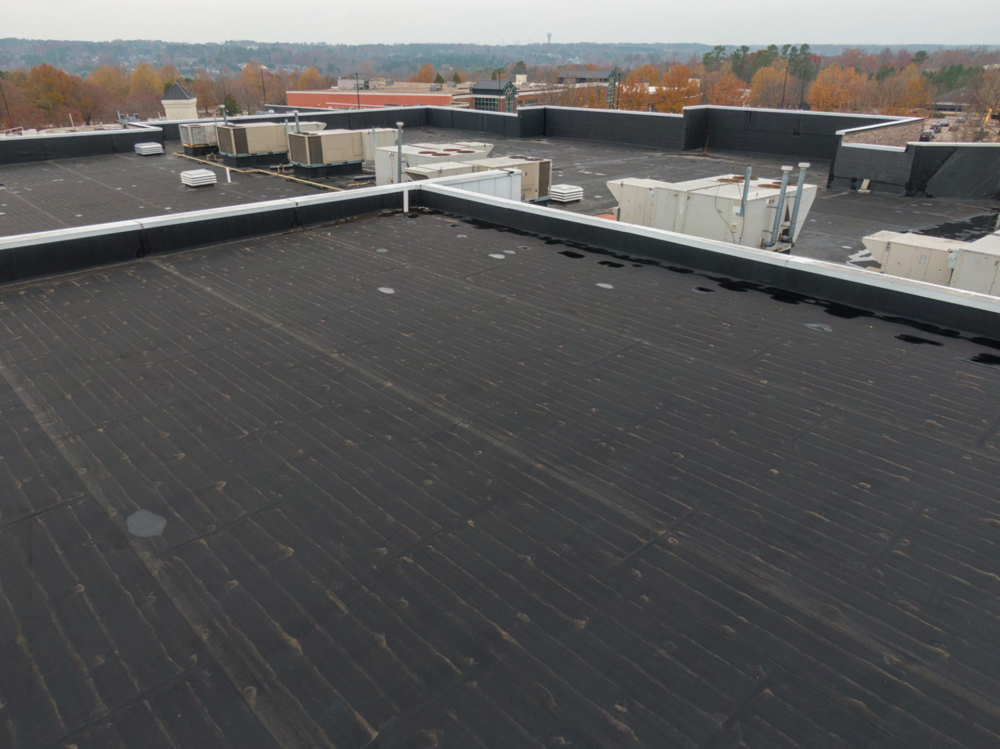
EPDM is primarily designed for low-slope applications rather than conventional steep-slope residential roofs. Property owners should confirm roof geometry, drainage conditions, and structural requirements before selecting a membrane system. A suitable roof design helps the material perform as intended and reduces the likelihood of avoidable drainage problems.
Homes with low-slope additions or garages may have different roofing requirements than their main pitched roofs.
Differences Between EPDM and Other Roofing Materials
EPDM, TPO, and other commercial roofing systems offer different characteristics involving flexibility, surface properties, seams, and installation methods. Reviewing different commercial roofing materials helps property owners understand how these differences affect building requirements. Material comparisons are most useful when they account for roof design, local weather, and long-term maintenance expectations.
Waddle Exteriors provides roofing options for commercial and low-slope properties, including EPDM and TPO systems.
Installation Details and Drainage Requirements
Poor drainage or improperly completed roofing details can undermine the performance of an otherwise suitable EPDM membrane. A qualified roofing professional should evaluate drainage paths, membrane attachment, seams, flashing, and roof penetrations before installation. These components work together to limit moisture intrusion and support reliable performance during Iowa’s seasonal weather changes.
Property owners should request an explanation of how the proposed roofing system addresses existing drainage concerns.
Routine Maintenance and Inspection Needs
Debris accumulation, blocked drains, and gradual seam deterioration can create problems even when the membrane remains generally sound. Periodic inspections and maintenance help identify these concerns before they contribute to water intrusion or more extensive deterioration. A consistent maintenance plan supports long-term roof performance and helps property owners understand changing conditions over time.
In West Des Moines and Ames, seasonal checks are particularly useful before winter and after severe storms.
Repair Needs and Long-Term Ownership Considerations
Localized punctures, damaged flashing, or deteriorating seams do not always require replacing an entire EPDM roof. Professional assessment helps determine whether addressing leaks and damage on flat roofs involves targeted repairs or broader corrective work. Understanding the roof’s condition allows property owners to make maintenance decisions based on documented problems rather than assumptions.
Repair suitability depends on membrane condition, damage extent, and the compatibility of proposed repair materials.
Make an Informed EPDM Roofing Decision for Your Iowa Property
EPDM roofing can provide dependable protection for suitable low-slope properties, but material selection is only one part of the decision. Waddle Exteriors has served Iowa communities since 1978 and offers commercial roofing services that include EPDM systems. Understanding your building’s condition, drainage requirements, and maintenance needs is an important starting point.
Whether you own a property in Des Moines, Story City, or a nearby Central Iowa community, a professional evaluation can clarify your options. Contact Waddle Exteriors for a free estimate and discuss whether EPDM roofing is appropriate for your property.
Frequently Asked Questions
How long does EPDM roofing typically last in Iowa?
EPDM roofing commonly lasts approximately 20 to 30 years, although actual service life varies. Installation quality, membrane thickness, weather exposure, drainage, and maintenance all influence how long a particular roofing system performs effectively.
Is EPDM roofing suitable for Iowa’s freezing winters?
EPDM generally performs well in cold conditions because its rubber membrane remains flexible at low temperatures. However, proper installation, secure seams, effective drainage, and suitable insulation remain essential for reliable winter performance.
Does EPDM roofing require regular maintenance?
Yes. EPDM roofs benefit from periodic inspections, debris removal, drainage checks, and evaluation of seams and flashing. These measures help identify small problems before moisture intrusion affects insulation or other roofing components.
Can EPDM roofing be installed on a residential property?
EPDM can be appropriate for residential buildings with suitable low-slope roof sections, including certain additions and garages. A roofing professional should evaluate the roof’s design, drainage, and existing materials before recommending a system.