What Makes DECRA Roofing a Durable Choice for Iowa Homes?
Date Modified: October 1, 2026
Choosing a roof in Central Iowa or Eastern Nebraska means considering more than appearance. Hail, strong winds, snow, and seasonal temperature changes can place repeated stress on roofing materials. For homeowners researching decra roofing for Iowa homes, understanding the material’s construction and tested performance provides useful context.
DECRA combines a steel core with protective coatings and stone granules to create a roofing system designed for long-term weather exposure. This guide explains the benefits of DECRA roofing and the key factors homeowners should consider before choosing it for their property.
Key Takeaways
- DECRA combines stone-coated steel construction with tested resistance to hail, wind, and fire.
- Class 4 impact resistance provides an important performance measure for hail-prone Midwestern homes.
- Roof condition and proper installation remain important regardless of the roofing material selected.
- Manufacturer warranty terms provide useful context when evaluating DECRA for long-term roof protection.
How DECRA Roofing Protects Iowa Homes for the Long Term
Roofs across Central Iowa and Eastern Nebraska face changing weather conditions throughout the year. Material construction and tested performance help determine how a roofing system responds to those conditions. These five characteristics explain important aspects of DECRA roofing durability for Midwestern homes.
Stone-Coated Steel Construction
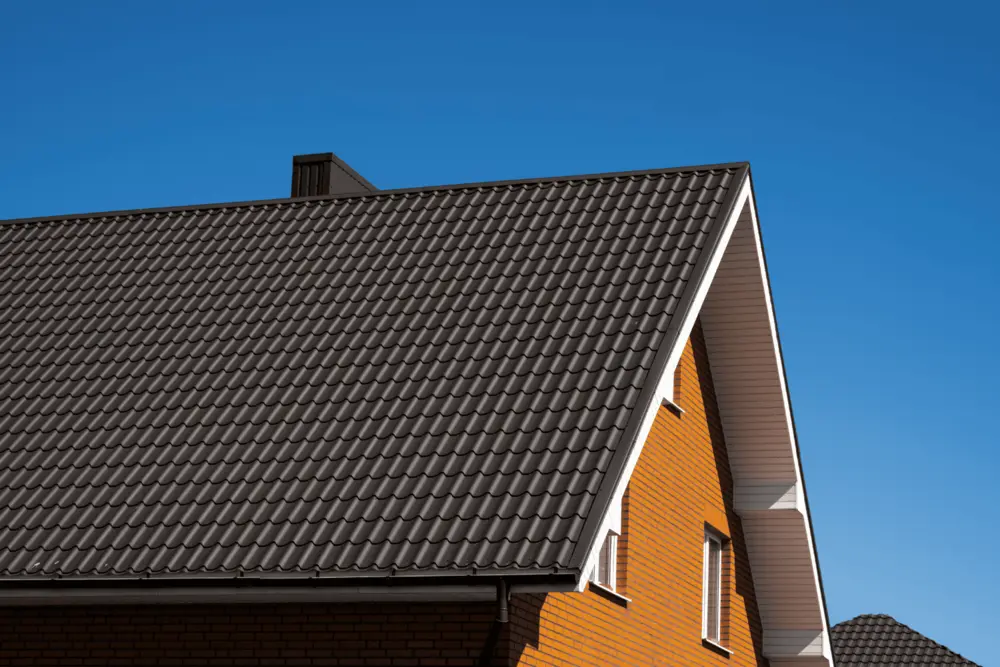
Repeated moisture, temperature changes, and severe weather can gradually challenge roofing materials. DECRA uses coated steel panels with protective layers and ceramic-coated stone granules to create a durable exterior surface. This construction combines the structural properties of steel with additional layers intended to protect the underlying material.
Homeowners comparing durable metal roofing options can consider these construction differences alongside their home’s roof design and existing condition.
Hail Impact Resistance
Hail can damage roofing materials throughout Iowa and Eastern Nebraska, making impact performance an important consideration. DECRA roofing carries a UL 2218 Class 4 impact rating, the highest classification within that particular testing standard. This rating provides a standardized measure for evaluating how a roofing assembly responds to laboratory impact testing.
Educational research from the Insurance Institute for Business and Home Safety also explains how hail can affect residential roofing materials under different storm conditions.
High-Wind Performance
Strong winds can create uplift forces that test roofing materials, fasteners, and other parts of the roof assembly. DECRA documents wind testing and provides qualifying warranty coverage for panel blow-off caused by winds up to 120 mph. These documented specifications make wind performance relevant when evaluating DECRA roofing for severe weather.
Homes in Ames, Des Moines, and Omaha can have different wind exposures, so roof geometry and installation details should still be evaluated individually.
Protection Through Seasonal Weather Changes
Midwestern roofs experience summer heat, winter cold, snow, ice, and repeated temperature changes during a typical year. Stone-coated steel does not rely on the same material composition as asphalt shingles, providing different characteristics during seasonal exposure. Understanding those differences helps homeowners evaluate roofing performance across an entire year instead of focusing on one storm.
A professional roof inspection can identify existing decking, flashing, ventilation, and roof conditions that also influence long-term performance.
Long-Term Roofing Performance
Roofing longevity depends on installation, weather exposure, maintenance, roof design, and the specific material selected. DECRA provides a Lifetime Limited Warranty for qualifying residential installations, with separate terms covering particular performance conditions. Those distinctions matter when homeowners research how long DECRA roofing lasts and compare expected durability with documented warranty protection.
Manufacturer warranty terms should be reviewed carefully because coverage periods, exclusions, transfer provisions, and specific protections can differ.
Key Factors to Consider Before Choosing DECRA Roofing
Durability is only one part of determining whether DECRA is appropriate for a particular home. Existing roof condition, material differences, installation requirements, and warranty terms also deserve consideration. These five factors provide useful context before homeowners make a roofing material decision.
Existing Roof Condition
An aging roof may have decking, flashing, ventilation, or structural concerns that should be identified before selecting new roofing materials. Evaluating the existing system helps determine what work may be required before a new roof is installed. This matters because replacing an aging roof involves more than selecting the finished material visible from the ground.
Understanding the roof’s current condition provides a more reliable starting point for comparing DECRA with other roofing options.
Roof Inspection Before Installation
Existing damage can affect roofing decisions regardless of which replacement material a homeowner prefers. An inspection can identify visible deterioration, flashing concerns, ventilation issues, or storm-related damage before material selection moves forward. This provides important information about whether the underlying roof system is ready for replacement.
For homes across Central Iowa and Eastern Nebraska, inspecting the roof first can prevent existing problems from being overlooked during material planning.
DECRA Roofing Compared With Asphalt Shingles
Homeowners often compare stone-coated steel and asphalt because their construction, weight, appearance, and performance characteristics differ. DECRA uses coated steel panels, while conventional asphalt shingle roofing uses a layered asphalt-based material system. Understanding those differences helps homeowners compare roofing materials based on practical priorities rather than appearance alone.
The home’s design, expected ownership period, weather exposure, and maintenance priorities can all influence how those differences are evaluated.
Installation and Roof System Requirements
A durable roofing material still depends on correct installation and a properly functioning roof assembly. Decking, flashing, ventilation, penetrations, fastening methods, and manufacturer requirements can influence the finished roof’s performance. Considering these components within broader residential roofing services keeps attention on the complete system instead of panels alone.
Installation planning should account for manufacturer requirements, local building requirements, and conditions identified during the initial roof evaluation.
Manufacturer Warranty Coverage
A lifetime warranty does not mean every roofing component receives identical coverage for the entire ownership period. DECRA’s warranty contains specific provisions addressing areas such as leaks, wind-related panel blow-off, hail penetration, finish performance, and transferability. Reading those details provides a clearer understanding of protection than relying on the lifetime description alone.
Homeowners should review the current warranty for the specific DECRA product being considered before making a final material decision.
Upgrade Your Central Iowa or Eastern Nebraska Home With DECRA Roofing
Choosing a roofing material means balancing durability, weather performance, roof condition, appearance, and long-term expectations. Waddle Exteriors has served Iowa homeowners since 1978 and provides roofing services that include metal roofing options for homes across the region.
A free estimate can provide a starting point for evaluating the existing roof and discussing material options for a Central Iowa or Eastern Nebraska home. The evaluation can help clarify whether DECRA aligns with the roof’s condition, design, and project requirements.
Frequently Asked Questions
How Long Does DECRA Roofing Last?
DECRA provides a Lifetime Limited Warranty for qualifying residential installations, but this does not establish one guaranteed service life. Installation quality, weather exposure, maintenance, roof design, and specific warranty provisions can influence long-term roofing performance.
Is DECRA Roofing Resistant to Hail?
DECRA roofing carries a UL 2218 Class 4 impact rating, the highest classification within that testing standard. However, an impact rating does not mean any roofing material is immune to damage during every real-world hailstorm.
How Does DECRA Roofing Perform in Strong Winds?
DECRA documents wind testing and qualifying warranty protection for panel blow-off caused by winds up to 120 mph. Actual roof performance also depends on proper installation, fastening, roof geometry, surrounding exposure, and overall roof condition.
Is DECRA the Same as a Standard Metal Roof?
DECRA is a stone-coated steel roofing system rather than exposed standing-seam metal. Its panels combine coated steel with protective layers and stone granules, creating a different appearance and construction characteristics from other metal roofing systems.