
Debunking Common Hail Damage Myths to Protect Your Roof in Eastern Nebraska
Date Modified: February 17, 2026
Hailstorms are a fact of life for Omaha homeowners, especially during spring and summer when large hailstones and strong wind damage are common. After a storm passes, many homeowners rely on what they hear from neighbors or what they see from the ground to decide whether their roof is fine. Unfortunately, common hail damage myths often lead to delayed inspections, missed issues, and long-term damage to roofing systems.
Understanding how hail impacts asphalt shingles, metal roofing, gutters, siding, and vents helps protect your property and avoid further damage that may not be obvious at first glance.
Key Takeaways
- Many hail damage myths cause Omaha homeowners to wait too long before scheduling a professional roof inspection.
- Hail damage often includes hidden issues like bruised shingles, granule loss, and moisture intrusion that are not visible from the ground.
- Different roofing systems respond to hail impacts in different ways, requiring experienced evaluation.
- Early inspection and documentation help determine the full scope of roof damage and reduce the risk of water damage and mold.
Common Hail Damage Myths Omaha Homeowners Should Stop Believing
After a hailstorm, misinformation spreads quickly and often causes homeowners to underestimate damage to their roof. From what we see while inspecting homes across Omaha, these myths frequently lead to delayed action, hidden issues, and more extensive repairs over time.
If You Do Not See Damage from the Ground, Your Roof is Fine
Many homeowners in Omaha assume that if missing shingles or dents are not obvious from the yard, damage did not occur. In reality, hail frequently causes bruised shingles, granule loss, and small cracks that weaken roofing materials without creating immediate leaks.
These small issues often lead to moisture intrusion and structural issues when left unaddressed, which is why many homeowners turn to professional documentation through hail damage services after severe storms.
Only Large Hailstones Cause Significant Roof Damage
While large hailstones can certainly cause obvious damage, smaller hail combined with wind damage can be just as harmful. Repeated hail impacts can break down asphalt shingles, loosen shingles, and compromise flashing and vents, sometimes requiring timely roof repair to prevent further damage.
Over time, this damage reduces energy efficiency and increases the risk of leaks across the roofing system.
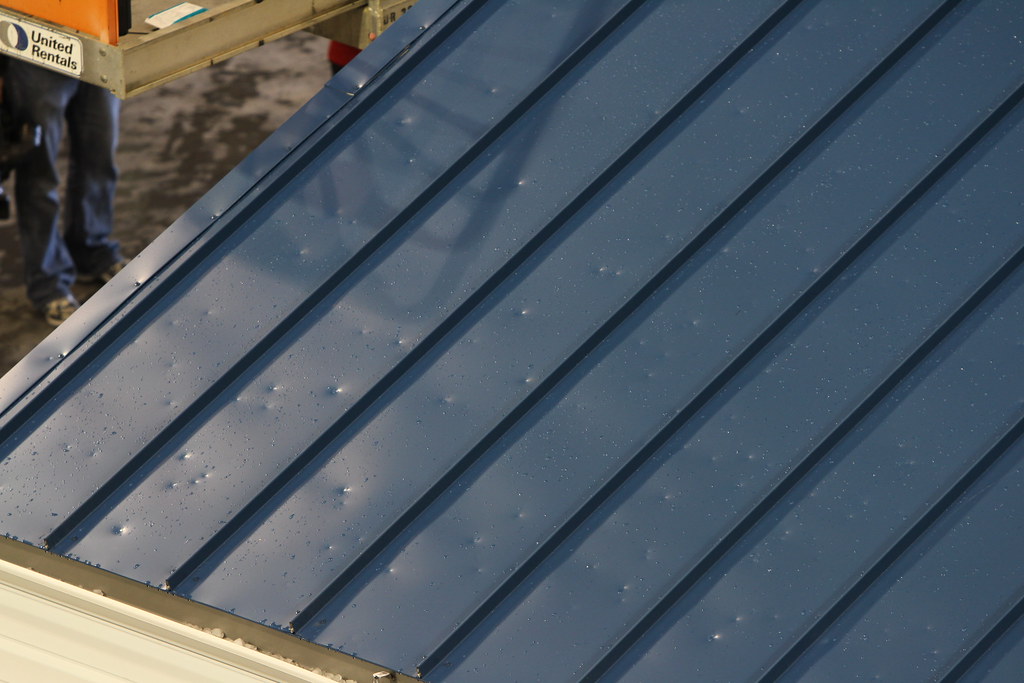
Metal Roofing Cannot Be Damaged by Hail
Metal roofing is durable, but it is not immune to hail damage.
Dents in metal panels, damaged fasteners, and compromised seams can affect how the roof sheds water. These issues may not cause immediate leaks, but they can shorten the lifespan of the roof and create long-term performance concerns.
This requires evaluation through professional emergency services after hailstorms.
Hail Damage is Always Obvious Right After the Storm
Damage caused by hailstorms often develops over time.
Granule loss, hairline cracks, and weakened shingles may only reveal themselves weeks or months later as leaks or water damage appear. Waiting for obvious signs can allow small issues to grow into expensive repairs or even roof replacement.
What to Check After Hailstorms in Eastern Nebraska
Once the storm has passed and it is safe to assess your property, knowing where to look can help uncover damage that might otherwise be overlooked and left to worsen over time.
Shingles and Roofing Materials
After a hailstorm, inspect shingles for granule loss, bruising, cracks, and loose shingles.
These issues weaken roofing materials and expose the roof to further damage from the sun and moisture. A professional inspection helps assess damage that may not be visible from the ground and supports long-term protection through planned roof maintenance.
Gutters, Downspouts, and Drainage Areas
Dented gutters, clogged downspouts, and displaced sections are common after hail and wind damage. Proper drainage protects the home’s structure by directing water away from siding and foundations.
Damage in these areas often signals roof damage above and may affect homes across the broader Omaha service area.
Siding, Windows, and Exterior Components
Hail can damage siding, window frames, vents, and other exterior elements.
Cracks and dents allow water to enter wall systems, increasing the risk of mold and water damage. Checking these areas helps identify the full scope of storm damage across the exterior and supports accurate documentation when navigating insurance claims.
Interior Signs of Moisture Intrusion
Stains on ceilings, damp insulation, or musty odors inside the home may indicate roof damage. These signs often appear after the storm has passed and should prompt immediate inspection to prevent long-term damage.
Ready to Protect Your Roof After the Next Hailstorm?
Protecting your roof after hailstorms starts with accurate information and a professional evaluation. As a trusted roofing partner serving Eastern Nebraska, Waddle Exteriors helps homeowners in Omaha understand damage to their roof and determine the right next steps.
Contact us to schedule your inspection and protect your property before small issues turn into major repairs.
Frequently Asked Questions
How soon should I schedule a roof inspection after a hailstorm?
It is best to schedule a roof inspection as soon as it is safe after the storm passes. Early inspections help document damage when it occurs and reduce the risk of further damage caused by leaks, moisture intrusion, and wind.
Can hail damage affect my home even if there are no leaks?
Yes, hail damage can weaken roofing materials without causing immediate leaks. Bruised shingles, granule loss, and small cracks often lead to water damage over time if not addressed.
Why is a professional roof inspection important after hail?
A professional inspection identifies hidden issues that homeowners cannot safely or accurately assess. Experienced roofers evaluate different roofing systems, document damage, and provide clear recommendations for repairs or roof replacement when necessary.
Does hail damage impact more than just the roof?
Hail frequently damages gutters, siding, windows, vents, and other exterior components. Addressing all affected areas helps protect the home’s structure and prevents long-term water damage and mold growth.