What Ames Homeowners Should Do Now to Prevent Ice Dams Before the Winter Season Begins
Date Modified: December 3, 2025
Winters in Ames, IA bring quick temperature drops, heavy snowfalls, and frequent freeze–thaw cycles. From Iowa State University to Main Street homes, these fluctuations can cause damaging ice dams on roofs throughout Central Iowa.
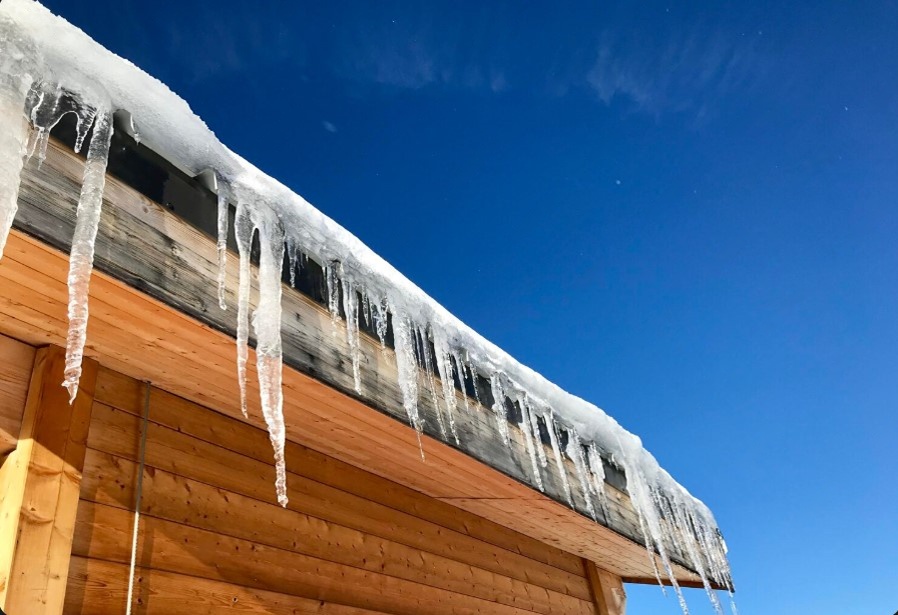
When attic heat escapes and melts snow on the roof, it refreezes near the eaves, creating thick ridges of ice that trap water. This can lead to roof leaks, moisture in walls, and damage to insulation. Preparing now helps prevent ice buildup and costly repairs.
Key Takeaways
- Ice dams form when warm attic air melts roof snow that refreezes at the eaves.
- Poor attic insulation, limited ventilation, and clogged gutters are key contributors.
- Central Iowa cities like Ames face regular freeze–thaw cycles.
- Preventive steps like sealing gaps and installing gutter guards reduce future buildup.
- Waddle Exteriors offers inspections, repairs, and ice dam prevention services.
How to Prepare Your Ames Roof and Gutters for Winter
With cold weather on the way, now is the time for Ames homeowners to strengthen their homes against ice dams. Taking the following proactive steps before heavy snow arrives will help ensure your roof, attic, and gutters are ready for Iowa’s winter weather.
Inspect Your Roof and Attic Before the Snow Hits
Look for damaged shingles, broken flashing, or signs of water intrusion.
These are early warning signs that warm air could escape and melt snow unevenly. Homeowners can schedule a roof inspection to catch these issues before December’s freezing temperatures set in.
In Ames, roof valleys and north-facing sections tend to hold snow the longest, making them common starting points for ice buildup. Checking these shaded or low-slope areas early can reveal hidden leaks or worn sealant that may worsen during the first major freeze.
Seal Attic Gaps and Increase Insulation
Sealing small openings around vents, lights, and attic doors keeps warm air inside the home. Boosting attic insulation maintains even roof temperatures and helps reduce refreezing along the roofline, protecting shingles from moisture buildup.
Many older Ames homes built before the 1990s have thinner insulation or gaps around attic hatches and recessed lighting.
Adding blown-in insulation or weatherstripping these openings can significantly lower heat loss and energy costs while preventing ice dams from forming along roof edges.
Improve Ventilation for Steady Airflow
Proper ventilation through ridge vents and soffit vents balances attic temperatures and discourages moisture buildup. Homeowners in Ames, Des Moines, and Iowa City can rely on our certified roofing team to improve attic airflow and minimize winter roof damage.
Because Ames winters bring wide temperature swings, attic humidity can rise quickly on mild days and condense overnight.
Balancing air intake and exhaust through continuous ridge and soffit vents helps prevent that moisture from freezing inside the roof deck — a common issue in Central Iowa’s mixed-humidity climate.
Clean Gutters and Remove Debris in Fall
Clogged gutters filled with leaves, ice, or snow trap water against the roof. To help water flow freely, clean your gutter system before November. Installing gutter guards helps prevent backups and future ice buildup.
In Ames neighborhoods with mature trees, such as near Brookside Park or Old Town, maple and oak leaves often clog downspouts before the first freeze. Clearing those areas or installing a Gutter Topper® system ensures melting snow drains freely even after back-to-back snowfalls.
Install Heat Cables or Roof-Edge Barriers
In homes near West Des Moines or those with steep, shaded eaves, consider installing heat cables. These systems maintain steady runoff along roof edges, reducing the chance of snow refreezing into thick ice ridges.
Homes in Ames with north-facing dormers or additions often benefit from low-voltage heating cables that keep meltwater channels open during long cold snaps.
Our team can evaluate roof slope, gutter layout, and power access to recommend the safest installation before temperatures drop below freezing.
What to Do If Ice Dams Begin to Form on Your Roof This Winter
Even with preparation, winter weather in Iowa can still cause ice dams to form. When you start seeing icicles or rooftop ice ridges, take action quickly to avoid long-term damage.
Remove Snow Using Safe Methods
Use a roof rake with a long handle to remove snow from the lower roof without climbing. This prevents additional meltwater from forming and minimizes the weight of snowfall on your home.
In Ames, where wet, heavy snow often follows early-season flurries, clearing the lower two to three feet of your roof after each storm is enough to relieve pressure without exposing shingles to cold air damage.
Activate Heat Cables During Freezes
If you’ve already installed heat cables, activate them during freezing periods. They keep meltwater moving safely off the roof, preventing it from solidifying into damaging ice barriers.
Central Iowa typically experiences sharp overnight drops even after mild afternoons, so running heat cables a few hours before sunset helps them stay effective through the night when refreezing peaks.
Check Attic Ventilation and Insulation
If ice continues to form, inspect the attic again. Insufficient insulation or blocked vents may be allowing warm air to escape. Rebalancing attic airflow and improving insulation will prevent future buildup.
In the older neighborhoods, soffit vents are often painted over or partially blocked by added insulation. Clearing those vents and confirming balanced airflow between ridge and soffit openings keeps attic temperatures steady and prevents repeated freeze cycles.
Call Local Professionals for Removal and Repair
Avoid using sharp tools or salt to break ice. It can damage shingles, gutters, or siding. For safe, effective ice removal, contact a trained crew with steam-based equipment.
Our crews use low-pressure steam systems that melt thick ice without loosening shingles—a critical step for roofs already stressed by heavy snow and high winds common in January and February.
Stay Ahead of Winter Roof Damage in Ames, IA
Don’t wait for the first freeze to take action. Preparing your roof, attic, and gutters before January snowstorms arrive can help protect your house and save you from expensive repairs.
Trust the experienced team at Waddle Exteriors for winter prep services, including roof inspections, attic insulation, gutter guard installation, and roof repair. With over twenty years of certified service across Central Iowa, our crews are dedicated to helping homeowners prevent winter roof damage before it starts.
Call (877) 733-6400 or contact our experts today to book your seasonal inspection and stay ahead of the ice.
Frequently Asked Questions
What causes ice dams to form on Iowa homes?
They occur when warm attic air melts snow that refreezes at the roof edge. Poor ventilation and insulation are the most common causes.
Can heat cables stop ice dams from forming?
Yes. Heat cables installed at the roof edge melt snow as it falls and prevent ice from building up over time.
Should I try removing roof ice myself?
No. Climbing on an icy roof or using tools to break the ice can lead to injury or roof damage. Call a professional instead.
How can I tell if I have an attic insulation problem?
Uneven roof melting, high winter utility bills, or attic moisture are common signs that insulation or airflow needs attention. A certified inspection from Waddle Exteriors can confirm the cause and prevent future ice issues.