Roofing

Exterior Services in Zearing

Understanding Asphalt Shingle Granule Loss and When You Need a Roof Inspection

Granule loss is one of the earliest warning signs many homeowners overlook, especially in Des Moines, where roofs face strong winds, heavy rain, freeze-thaw cycles, and constant UV exposure. Asphalt shingles rely on a granular coating to protect the roof surface from UV rays, shed water, and maintain fire resistance. When granules become loose or wash away, the protective layer begins to fail.

Understanding what granule loss means and when a professional inspection is necessary can help prevent hidden damage, roof leaks, and costly repairs down the line.

Key Takeaways

  • Granule loss is part of the aging process, but significant or excessive granule loss can signal shingle damage or exposed areas.
  • Severe storms, strong winds, and freeze-thaw cycles in Des Moines accelerate granule loss on older roofs.
  • Interior signs like water stains, mold growth, or visible leaks often indicate deeper issues beyond the roof surface.
  • Regular roof inspections help catch warning signs early before structural damage or complete replacement becomes necessary.

What Granule Loss Signals About Roof Wear and Protection

Granule loss affects more than appearance. It directly impacts how well your roof protects your home in Central Iowa’s demanding climate.

Protective Granules and UV Defense

Protective granules shield asphalt shingles from UV damage caused by constant sun exposure in Des Moines. When granules protect the shingle surface, they slow the aging process and help shingles lie flat. As granules wear away, bare asphalt becomes exposed, increasing vulnerability to cracking, edges turning upward, and premature roof failure.

This often requires regular roof maintenance to catch.

Weather Stress from Severe Storms

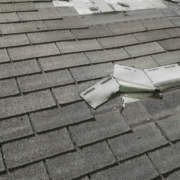
Severe weather is a major contributor to roof granule loss and signs of damage in Des Moines. Heavy rain, hail, and strong winds can dislodge granules, especially on aging roofs. After severe storms, a significant amount of granules may collect at ground level or in gutters, often indicating missing or damaged shingles that require professional inspection.

Aging Roof Materials Over Time

Asphalt shingles naturally lose a few granules as they age, but excessive granule loss is not normal. Older roofs nearing the end of their roof age often show bald spots, dark streaks, and cracked shingles. These visible signs suggest the granular coating is failing, and roof replacement planning may be necessary.

Impact on Water Shedding Performance

Granules play a critical role in helping shingles shed water. When granules become loose or wash away, water infiltration becomes more likely. This can lead to roof leaks, water damage to roof boards, and deterioration of the roof deck, especially during prolonged rain events common in Central Iowa.

Deciding When a Roof Inspection Makes Sense for Central Iowa Homes

Knowing when to schedule a roof inspection helps homeowners avoid minor issues escalating into structural damage.

Visible Exterior Warning Signs

Missing shingles, cracked shingles, sagging roof sections, or shingles that no longer lie flat are clear warning signs. Significant granule loss combined with exposed areas or bare asphalt often indicates the need for roof repair or further evaluation by a roofing professional.

Interior Signs of Hidden Damage

Interior signs often reveal problems not visible from the ground level. Water stains on ceilings, mold growth, or damp insulation suggest water infiltration and potential roof deck damage. These issues frequently stem from hidden damage beneath the roof surface that requires a professional inspection.

Structural Concerns and Roof Deck Health

A sagging roof deck or sagging roof sections can point to inadequate support, deteriorating roof boards, or long-term moisture exposure. In Des Moines homes, poor ventilation and prolonged leaks can weaken the roof deck, increasing energy costs and accelerating structural issues.

Preventative Maintenance for Long-Term Protection

Regular roof inspections are a key part of preventative maintenance. Scheduling inspections helps identify minor issues early, reduces the risk of costly repairs, and extends the lifespan of your roof installation. For many homeowners, proactive inspections are far more affordable than dealing with a complete replacement after severe damage occurs.

Ready to Schedule a Roof Inspection?

If you are noticing granule loss, missing or damaged shingles, or interior warning signs, a professional evaluation can provide clarity and peace of mind. Waddle Exteriors offers free roof inspection services for homeowners in Des Moines and throughout Central Iowa. Our team focuses on identifying visible signs and hidden damage while providing clear recommendations for roof repair or roof replacement when necessary. 

Contact us to schedule your inspection.

Frequently Asked Questions

Is granule loss on asphalt shingles always a problem?

A few granules in gutters can be normal, especially on newer roofs. However, significant granule loss, bald spots, or exposed asphalt indicate shingle damage and reduced UV protection. In these cases, a professional inspection is recommended.

Can severe weather in Des Moines cause sudden granule loss?

Yes. Strong winds, heavy rain, hail, and freeze-thaw cycles common in Des Moines can accelerate granule loss, particularly on older roofs or shingles already weakened by UV damage.

How do roof inspections help prevent costly repairs?

Roof inspections identify warning signs early, including missing shingles, roof leaks, and sagging roof deck areas. Addressing minor issues early helps prevent water damage, mold growth, and structural damage that lead to expensive repairs.

When does granule loss mean a new roof is needed?

When granule loss is widespread, shingles are cracked or curling, and the roof age is near the end of its expected lifespan, complete replacement may be the safest option. A roofing professional can determine whether roof repair or a new roof is the best solution.

Understanding the cost of 30 year architectural shingles.

How Des Moines Homeowners Can Boost Roof Longevity by More Than a Decade

A roof in Des Moines, IA is exposed to wide temperature swings, heavy snowfall, spring rain, and strong wind events year after year. These conditions place steady wear on shingles, flashing, and ventilation components. While many homeowners assume roof replacement is unavoidable once issues appear, experience shows that targeted care and informed decisions can extend roof life well beyond expectations. With the right approach, Des Moines homeowners can protect their roofing system, manage long-term costs, and delay roof replacement by more than a decade.

Key Takeaways

  • Small, often unnoticed issues are a leading reason roofs fail early in Des Moines homes.
  • Regular roof inspections help identify developing problems before they turn into costly repairs.
  • Proper attic ventilation and effective drainage directly affect roof lifespan and energy efficiency.
  • Consistent roof maintenance can significantly delay the need for full roof replacement.
  • An experienced roofing contractor helps preserve structural integrity and long-term property value.

Factors That Quietly Shorten Roof Life In Des Moines Homes

In Des Moines, many roofing issues develop gradually and remain hidden until damage becomes more extensive. These conditions are frequently uncovered during professional inspections and can shorten roof lifespan long before replacement seems necessary.

Moisture Buildup From Poor Attic Ventilation

In Des Moines homes, inadequate attic ventilation allows warm, moist air to collect beneath the roof deck, leading to condensation that weakens oriented strand board and encourages mold growth. From a service provider’s perspective, this moisture buildup is a common cause of premature roof damage, especially during long winters when consistent airflow is essential for protecting the entire roofing system and aligns with the U.S. Department of Energy guidance on home ventilation.

Clogged Gutters And Improper Drainage

Clogged gutters prevent water from moving away from the roof and foundation, disrupting proper drainage and forcing moisture beneath shingles and along roof edges. In Des Moines, this condition frequently leads to early deterioration because standing water compromises flashing, fascia, and sections of the roof deck, escalating what could have been routine maintenance into structural concerns.

Wind Damage And Loose Shingles

High winds common in the Des Moines area can gradually loosen shingles, even without obvious storm damage. Inspection findings often show that a few loose shingles left unaddressed progress into missing shingles, water intrusion, and emergency repairs that reduce the lifespan of an otherwise serviceable roof.

Overhanging Or Diseased Trees

Dead or diseased trees and overhanging branches place constant stress on a roof by wearing away protective shingle granules and dropping debris that traps moisture. Roofing inspections regularly uncover damage caused by branches contacting asphalt shingles, increasing the likelihood of cracked shingles and recurring minor leaks.

Delayed Attention To Minor Leaks

Minor leaks and interior water stains are often dismissed until visible damage appears, but water intrusion typically spreads beyond the initial entry point. From a professional standpoint, these leaks can conceal underlying structural issues affecting larger portions of the roof, making early roof repair through professional roof repair services critical for long-term performance.

Priority Maintenance Moves That Add Years Without Major Replacement

Extending roof life does not always require replacing the entire roof or investing in major upgrades. In many Des Moines homes, focused maintenance and timely professional attention add years of reliable performance while helping homeowners avoid unnecessary replacement costs.

Scheduling Regular Roof Inspections

Routine inspections remain one of the most effective roof lifespan extension tips for Des Moines homeowners because they allow roofing professionals to identify minor issues early. Through scheduled roof inspections, developing problems are addressed before they escalate, reducing the risk of sudden roof failure and avoiding premature full roof replacement.

Addressing Missing Or Damaged Shingles Promptly

Replacing missing or damaged shingles as soon as they are identified helps maintain the integrity of the roofing system, particularly when a few missing shingles are corrected before they affect the entire roof. Timely roof repair limits moisture exposure to the roof deck and extends the service life of asphalt shingles when supported by ongoing roof maintenance.

Improving Attic Ventilation And Airflow

Proper attic ventilation helps regulate temperature extremes and reduces moisture buildup that weakens roofing materials. From a service provider’s perspective, improved airflow supports longer roof lifespan, steadier indoor comfort, and improved energy efficiency across the home.

Maintaining Gutters And Roof Drainage Paths

Keeping gutters clear and maintaining proper drainage protects the roof from water-related damage, ice dams during freezing winters, and underlying structural issues that shorten roof lifespan. Evaluations consistently show that well-maintained drainage systems reduce the likelihood of emergency repairs.

Evaluating Roofing Materials Before Problems Escalate

Assessing the condition of existing roofing materials, whether asphalt shingles or metal roofing, allows homeowners to plan ahead rather than react to sudden failure. Understanding when repairs remain effective versus when roof replacement becomes a worthwhile investment helps Des Moines homeowners manage costs and protect long-term property value through informed roof replacement planning.

Planning Ahead For Long Term Roof Performance

Extending the life of a home’s roof depends on informed decisions and professional evaluation. Waddle Exteriors works with homeowners to protect roofing systems through detailed inspections, targeted maintenance, and clear recommendations based on real-world conditions. To discuss the condition of your roof and plan next steps, contact us to schedule a consultation.

Frequently Asked Questions

How often should Des Moines homeowners schedule a roof inspection

For most homes in Des Moines, a professional roof inspection once per year is recommended, with additional inspections after major storms. Regular inspections help identify developing issues early and reduce the risk of damage that shortens roof lifespan.

Can roof maintenance really delay full roof replacement

Consistent roof maintenance can add many years to a roof’s service life. Addressing damaged shingles, improving attic ventilation, and maintaining proper drainage all help preserve structural integrity and delay the need for replacement.

What are the signs that roof repair is no longer enough

Widespread shingle deterioration, recurring leaks, and damage to the roof deck often indicate that repairs are no longer cost effective. A professional inspection helps determine whether continued repairs or full roof replacement is the better long-term solution.

Does extending roof life improve home value

A long-lasting roof improves curb appeal, supports energy efficiency, and reassures buyers that the home has been properly maintained. From a contractor’s perspective, documented inspections and maintenance history can positively influence property value and buyer confidence.

Comparing tin roofing to other metal roofs and their costs.

Roof Longevity Challenges From Humidity: What Central Iowa Homeowners Should Know

Humidity plays a major role in how long a roofing system lasts, especially in communities like Story City, IA, where humid summers and changing weather conditions are common. Prolonged exposure to humid air can lead to moisture buildup within roofing materials, affecting the roof structure, roof deck, and overall roof integrity.

Understanding roof humidity effects on roof longevity in Story City, IA, helps homeowners recognize early signs of damage and take steps to protect their roof before small issues turn into costly repairs.

Key Takeaways

  • High humidity and humid summers in Story City can shorten a roof’s lifespan if moisture becomes trapped in the roofing system.
  • Proper attic ventilation and insulation help regulate temperature and moisture levels inside the roof structure.
  • Mold, algae growth, and dark streaks on the roof surface are common warning signs of humidity damage.
  • Regular roof inspections allow early detection of damaged or missing shingles and moisture-related damage.
  • Choosing moisture-resistant roofing materials helps protect your roof from long-term structural damage.

Protecting Roof Lifespan From Central Iowa Humidity

Central Iowa’s humid climate creates unique challenges for residential roofing systems. The sections below explain how moisture affects roofs in Story City and how professional oversight, including timely roofing inspection and evaluation, helps reduce long-term damage.

Moisture Buildup Within Roofing Materials

High humidity allows moist air to penetrate roofing materials, especially asphalt shingles and wood shingles that naturally absorb moisture over time.

From a service provider perspective, trapped moisture can weaken the roof deck and underlayment, conditions we often identify during a professional roof inspection, potentially leading to wood rot and reduced structural integrity if left unaddressed in Story City homes.

Mold and Algae Growth on the Roof Surface

Humid environments encourage algae and mold growth, which often appear as dark streaks or visible mold on the roof surface.

These growths retain moisture against shingles, accelerating humidity damage and creating scenarios where targeted roof repair may be recommended to prevent further deterioration and roof leaks.

Ventilation Challenges in Humid Climates

Proper attic ventilation is critical in humid climates like Story City because it allows moist air to escape rather than becoming trapped in the roofing system.

Contractors frequently recommend airflow improvements as part of a broader roofing maintenance strategy, similar to approaches used in nearby communities such as Ames, IA, to protect the roof’s integrity from constant exposure to humid air.

Maintenance Priorities For Humid Weather Roof Care

Ongoing roof maintenance is essential in areas with high humidity levels. These priorities reflect what experienced roofing professionals focus on when caring for roofs in Story City, IA, and throughout Central Iowa.

Scheduling Regular Roof Inspections

Regular roof inspections allow professionals to identify early signs of moisture damage, including water stains, damaged shingles, and compromised moisture barriers.

For homeowners in Story City, scheduling routine evaluations as part of ongoing roof maintenance helps prevent emergency repairs by addressing problems before humidity levels rise further.

Managing Gutters and Organic Debris

Clogged gutters and organic debris hold moisture against the roof structure, increasing the risk of mold growth and roof damage.

This issue is commonly observed across Central Iowa, including areas like Des Moines, where consistent moisture exposure makes proper drainage an important part of protecting the overall roofing system.

Evaluating Roofing Materials for Moisture Resistance

Not all roofing materials perform the same in humid climates. Asphalt shingles, metal roofs, and systems with proper underlayment and protective coatings offer varying levels of moisture resistance.

In cases of widespread deterioration, homeowners may need to consider a full roof replacement to restore long-term performance and roof longevity.

Protect Your Roof From Humidity Damage

If you are concerned about roof humidity effects on roof longevity in Story City, IA, the team at Waddle Exteriors provides professional inspections and guidance tailored to Central Iowa’s humid conditions.

Trust us to help protect your roof, extend its lifespan, and reduce the risk of costly repairs. Use the Contact Us page to schedule a consultation and speak with experienced roofing professionals who understand local weather challenges.

Frequently Asked Questions

How does high humidity affect roof longevity in Story City, IA?

High humidity increases moisture levels within roofing materials, which can weaken shingles, promote mold and algae growth, and compromise the roof deck. Over time, this moisture damage can shorten the roof’s lifespan if not properly managed.

What are the early signs of humidity damage on a roof?

Early signs include dark streaks from algae growth, visible mold, water stains in the attic, damaged or missing shingles, and higher indoor humidity levels. A professional inspection can confirm whether moisture buildup is affecting the roofing system.

Does proper attic ventilation really make a difference?

Proper ventilation helps regulate temperature and moisture levels by allowing moist air to escape. Ridge vents, attic fans, and balanced airflow reduce trapped moisture and help maintain a healthy roof structure.

How often should roofs be inspected in humid climates?

In humid environments like Story City, homeowners should schedule regular roof inspections at least once a year and after severe weather events. Consistent inspections help catch moisture-related damage early and prevent more extensive structural damage.

Benefits of investing in 30 year architectural shingles.

3-Tab Vs. Architectural Shingles: Iowa Home Roofing Comparison

When Iowa homeowners in Story City or Des Moines are ready for a new roof, one of the biggest decisions is choosing between 3-tab and architectural shingles. Both options protect against the state’s unpredictable weather, but the differences in design, cost, and durability make this a crucial choice for long-term home value.

As a trusted GAF Master Elite roofing contractor serving Central Iowa, Waddle Exteriors helps homeowners make informed decisions about the best shingles for their home’s performance and curb appeal (roof replacement).

Understanding architectural vs 3 tab shingles in Iowa helps homeowners choose roofing materials that balance energy efficiency, durability, and cost effectiveness.

Key Takeaways

  • 3-tab shingles are budget-friendly but have a shorter lifespan and less wind resistance.
  • Architectural shingles offer superior durability, appearance, and longevity for Iowa weather.
  • The Des Moines and Story City climate favors higher-grade shingles for long-term value.
  • Professional installation ensures peak performance, energy efficiency, and warranty coverage (roof inspection).

Key Differences Between Asphalt Shingles and Architectural Asphalt Shingles in Iowa

Selecting between 3-tab and architectural shingles comes down to more than just price. Each option has unique advantages, but understanding how asphalt shingles perform in Iowa’s weather conditions is essential before scheduling a roof repair.

The comparison also highlights the strength of composite shingles, which provide a balance between cost, energy efficiency, and curb appeal. Iowa homeowners benefit most from choosing materials designed to handle both humid summers and freezing winters.

Durability, Ice Dams, And Weather Resistance

For homeowners in Des Moines and Story City, durability and weather protection are top priorities. 3-tab shingles can handle moderate conditions, but architectural shingles are thicker, heavier, and more resistant to ice dams and high winds. Their multi-layer construction enhances performance during hailstorms and temperature fluctuations, maintaining the roof’s integrity even in Iowa’s severe weather.

Asphalt shingles outperform other roofing materials such as concrete tiles, metal roofing, and wood shingles because of their flexibility, water resistance, and ability to withstand extreme weather conditions without cracking or curling.

Curb Appeal With Cedar Shakes, Clay Tiles, And Composite Shingles

Architectural shingles enhance curb appeal with a layered texture that resembles cedar shakes, slate tiles, or clay tiles. This dimensional design adds depth and character to homes, complementing both traditional and modern architectural styles.

Homeowners often choose them for their natural beauty and ability to reflect sunlight, improving energy efficiency and lowering cooling costs. Meanwhile, 3-tab shingles, also known as strip shingles, offer a clean, uniform appearance that fits well on smaller homes or garages. 

They remain one of the most popular roofing material options thanks to their affordability, simple installation, and low maintenance needs.

Cost of Roofing Materials and Environmental Benefits

When comparing the cost of roofing materials, 3-tab shingles are generally the least expensive option per square foot. However, they have a shorter lifespan—typically 15 to 20 years—making them less cost-effective for long-term homeowners.

Architectural shingles last 25 to 30 years with proper roof maintenance, providing a greater return on investment. Their thicker design also improves insulation, reducing energy bills and enhancing overall energy efficiency.

Beyond cost, many Iowa homeowners are now considering environmental benefits when selecting roofing materials. Architectural shingles made from recycled asphalt or composite materials can help reduce waste and improve sustainability.

Their reflective granules also contribute to a more energy-efficient home by decreasing heat absorption and minimizing cooling costs during humid Iowa summers.

How To Choose Between Options For Story City And Des Moines Homes

Both shingle types can protect a home effectively, but the right choice depends on your long-term goals and design preferences. Waddle Exteriors helps homeowners make confident decisions by evaluating each roof structure, home style, and budget for commercial roofing.

Whether you prefer asphalt shingles, tile roofing, or composite shingles, we focus on selecting the right roofing materials to maximize durability and comfort in Iowa’s changing climate.

Budget And Long-Term Goals

If you’re on a budget or managing a smaller property, 3-tab shingles may fit your needs. They’re reliable, cost-effective, and suitable for temporary housing or outbuildings.

For homeowners planning to stay long-term, architectural shingles provide enhanced strength, longer lifespan, and improved insulation. Their energy-efficient design makes them a smart investment for lowering energy costs and improving a home’s overall performance.

With proper maintenance, they can help prevent issues such as ice dams, algae growth, and UV damage over time.

Energy Efficiency, Cooling Costs, And Environmental Benefits in Iowa Homes

Iowa’s climate presents challenges like humid summers, cold winters, and heavy snowfalls. Architectural shingles are designed to resist these conditions with added thickness and weatherproof coatings that improve energy efficiency. Many products are Energy Star-rated, meaning they help reflect sunlight and lower cooling costs throughout the year.

Choosing environmentally responsible materials, such as architectural asphalt shingles or composite shingles, contributes to reduced energy bills and a smaller environmental footprint. For many homeowners, the long-term energy savings make architectural shingles a worthwhile investment for roof replacement.

Installation Quality And Warranty Coverage

The performance of any roofing system depends on proper installation and expert workmanship. Our GAF Master Elite certification ensures that every roof installation meets the highest industry standards. Homeowners in Story City and Des Moines benefit from a 10-year workmanship warranty and manufacturer-backed coverage, providing peace of mind for years to come (roof inspection).

Using specialized equipment and precise installation techniques ensures your roof can withstand Iowa’s severe weather, including strong winds, ice dams, and heavy snow loads.

Ready To Upgrade Your Roof?

Waddle Exteriors has been helping Iowa homeowners make confident roofing decisions since 1995. As a GAF Master Elite Contractor, we deliver expert installation, inspection, and high-quality results for every project.

Whether you need a roof replacement or want to explore architectural shingles for better energy efficiency, contact our team to ensure lasting protection and peace of mind.

Frequently Asked Questions

What are 3-tab shingles made of?

3-tab shingles are made from asphalt and fiberglass mats coated with protective granules that reflect sunlight and resist UV rays. This makes them durable, cost-effective, and easy to install for Iowa homeowners. However, they typically have a shorter lifespan compared to architectural shingles and require regular roof maintenance to perform well.

Do architectural shingles require special maintenance?

Architectural shingles require only routine care—such as annual roof inspections, debris removal, and cleaning gutters—to maintain proper performance. Their design resists cracking, algae growth, and weather damage, making them incredibly durable and energy efficient. When paired with proper installation, they can handle Iowa’s severe weather for decades.

How much do architectural shingles cost in Iowa?

Architectural shingles generally cost 20–40% more per square foot than 3-tab shingles due to their thicker materials and improved lifespan. Despite the higher upfront cost, they offer energy efficiency, better insulation, and environmental benefits. Over time, their reduced maintenance needs make them a more cost-effective roofing solution.

Which type performs best for cold climates like Story City?

Architectural shingles perform best in cold and snowy environments thanks to their multi-layered asphalt design. They resist cracking during temperature fluctuations and help prevent ice dams in Iowa’s climate. These durable roofing solutions provide better fire resistance and weather protection than traditional roofing shingles.

window snow

Winter Window Replacements for Cozy, Efficient Homes in St. Paul, MN

Winter in St. Paul has a way of making small home issues feel much bigger. When temperatures drop in January and snow piles up across the city, windows become one of the most noticeable parts of a home’s exterior. Drafts near living spaces, cold glass surfaces, and foggy panes often show up just as heating systems are working their hardest, offering clear feedback on how well windows are performing and how much heat loss may be occurring.

For homeowners thinking about winter window replacements for cozy efficient homes in St Paul MN, these weeks of sustained cold can make the comfort impact of older windows hard to ignore. Air leakage, condensation, and uneven indoor temperatures tend to surface during prolonged winter conditions, helping homeowners understand where comfort, efficiency, and energy costs may be affected.

Understanding what winter reveals about your windows helps turn frustration into clarity. By recognizing these patterns early, homeowners in St. Paul can make informed decisions about comfort, efficiency, and long-term performance.

Key Takeaways

  • Winter conditions in St. Paul often highlight window performance issues that remain unnoticed in other seasons
  • Drafts, condensation, and rising energy costs commonly point to heat loss through aging windows
  • Modern replacement windows are designed to improve comfort and efficiency even during cold weather installation
  • Working with a local professional helps ensure winter replacements are planned and completed responsibly

What Winter Conditions Reveal About Window Performance in St. Paul Homes

Winter weather places sustained stress on windows, making everyday performance issues easier to notice during normal daily living. These conditions can reveal how well existing windows protect the home’s exterior from cold air and moisture, especially when wind-driven snow collects on sills and trim and prompts a broader exterior evaluation such as a roof inspection.

Signs Of Drafts And Uneven Indoor Temperatures

Cold winter air moving through St. Paul neighborhoods can make airflow around windows more noticeable. Certain rooms may feel consistently cooler than others, particularly near windows exposed to prevailing winds or drifting snow. These temperature differences often reflect worn seals, aging frames, or gaps between the window and the surrounding structure.

In many older homes throughout Saint Paul, original wood windows were not built to modern efficiency standards. Over time, natural expansion and contraction can create pathways for cold air intrusion, which winter conditions tend to magnify and make more uncomfortable for occupants. During January cold snaps, even small leaks can add up to noticeable heat loss near seating areas and bedrooms.

Patterns Of Condensation And Moisture Buildup

Condensation on interior glass surfaces or frost along window edges is a common winter observation. Moisture buildup typically occurs when warm indoor air meets cold glass, suggesting limited insulation performance or air leakage within the window assembly. Condensation between panes may indicate a failed seal within the window unit.

These moisture patterns can affect both indoor comfort and nearby materials. Repeated exposure to moisture may influence surrounding trim or finishes and, over time, contribute to exterior wear that may require attention through services like roof maintenance or targeted roof repair.

Winter Energy Use Trends During Heating Season

Energy use often increases during winter as heating systems work to maintain indoor comfort. While mechanical systems play a role, inefficient windows can contribute to higher energy costs by allowing heat to escape more easily than modern windows.

When heating costs rise despite consistent thermostat settings, window performance is often part of the broader picture. Winter provides a useful reference point for understanding how energy use connects to heat loss and overall home efficiency. Comparing energy costs across similar winter months can help homeowners see whether window-related heat loss is becoming a bigger part of the household budget.

Once winter exposes how windows are performing, homeowners can better understand how modern replacements support comfort and efficiency.

How Winter Window Replacements Improve Comfort And Efficiency

Winter window replacements can be completed successfully when materials, installation practices, and seasonal conditions are planned together with care. Understanding these factors helps homeowners evaluate replacement windows as part of a broader approach to keeping the home comfortable through winter. Many modern windows are built to reduce air leakage at the sash and frame, which can make a meaningful difference during long winter stretches.

Cold Weather Installation Considerations

Window replacement during winter in St. Paul involves controlled installation practices that help limit exposure to indoor spaces. Professional installers typically work one opening at a time, using protective barriers to maintain indoor comfort while new windows are set and sealed.

With proper planning, winter installations can proceed smoothly without disrupting daily living or affecting overall performance, even during periods of snow or colder January temperatures. In severe winter weather or sudden exterior damage, homeowners may also rely on emergency services to protect the home until permanent repairs can be made.

Window Materials Suited For Cold Climate Performance

Modern window systems are designed to perform reliably in cold climates like St. Paul. Fiberglass windows and well-constructed wood windows offer stability and insulation properties that help manage temperature differences throughout the winter season while maintaining durability along the home’s exterior.

Fiberglass windows tend to stay dimensionally stable through temperature swings, which can help keep seals consistent over time. Wood windows can offer a classic look and solid insulating value, but they may need more attention to finish and maintenance in areas exposed to snow melt and freeze-thaw cycles.

Energy efficient windows often incorporate triple pane glass, advanced spacers, and low emissivity coatings. These features help reduce heat loss, moderate interior glass temperatures, and support consistent indoor comfort across winter and summer. For many homeowners, the goal is a window system that balances comfort, appearance, and long-term performance.

Seasonal Scheduling And Planning Factors

Winter scheduling may offer practical planning benefits for homeowners considering new windows or replacement windows. Project timelines can be easier to coordinate outside of peak renovation seasons, allowing work to be completed without competing demands.

Completing replacements during winter also allows homeowners to experience performance improvements during the most demanding heating months, when the benefits of energy efficient windows are easiest to notice. For some households, timing the work between major snow events can also make site access and daily routines simpler.

With a clearer understanding of winter performance issues and available solutions, the next step is working with a trusted local contractor.

Trusted Window Replacement Support For St. Paul Homeowners

Waddle Exteriors has many years of experience working with homes throughout St. Paul MN. Our team understands how winter weather, wind, and snow influence window performance and installation planning in local housing styles common throughout the Twin Cities.

Through a professional evaluation process, homeowners receive clear education about window conditions, material options, and installation considerations. This approach supports informed decision-making and long-term confidence. If you have questions about window performance in your home, you can contact us to start a conversation.

Frequently Asked Questions

Can windows be replaced during freezing temperatures?

Yes, professional installers regularly replace windows during winter in Minnesota. Specialized installation methods help limit heat loss and protect interior spaces. In most cases, cold temperatures do not prevent successful window replacement.

Will my home lose heat during winter window installation?

Temporary heat loss is minimal when installation is handled correctly. Installers work one opening at a time and use protective materials to maintain indoor comfort throughout the process.

Are winter window replacements more cost effective?

Winter replacements can help reduce energy costs sooner by addressing heat loss during peak heating months. While pricing varies, improved comfort and performance often provide immediate value.

Do replacement windows improve comfort right away?

Many homeowners notice reduced drafts and more consistent indoor temperatures shortly after installation. Improved glass and frame performance can make living spaces feel more comfortable soon after completion.

studio arrangement work

Skylight Installation and Leak Prevention Insights for Twin City Area Homes

Skylights are a common feature in homes across the Twin Cities area, valued for the natural light they bring into interior spaces. In Minnesota’s long winters, that benefit comes with added responsibility, as every skylight creates a roof opening that must be carefully integrated into the overall structure.

Snow accumulation, seasonal temperature shifts, and periods of heavy rain all affect how moisture moves across roofs in Minneapolis, St. Paul, and surrounding communities. When skylights are not designed or installed with these conditions in mind, small weaknesses can gradually develop into moisture problems.

Key Takeaways

  • Skylight leaks are usually tied to installation details and roof design rather than the skylight unit itself.
  • Twin Cities weather conditions increase the impact of poor drainage, flashing gaps, and aging materials.
  • Preventive choices during skylight installation significantly reduce long-term moisture risks.
  • Professional evaluation helps identify when repairs are sufficient versus when replacement is more reliable.

Factors That Commonly Lead to Skylight Leaks in Twin Cities Homes

Skylight leaks are rarely the result of a single failure. In most cases, they develop from a combination of installation methods, roof geometry, and long-term exposure to Minnesota weather. Installation quality, material selection, and how the roof manages water and heat all influence performance over time, which is why timely roof repairs can help limit skylight-related issues. For homeowners noticing early signs of wear, professional roof repair can address localized problems before they spread. Issues related to roof slope, flashing alignment, or insulation can affect how well the skylight functions as the building ages.

Roof Pitch, Drainage Patterns, and Snowmelt Flow

Roof pitch influences how water, melting snow, and debris move across the roof surface. In many area homes, lower slopes or complex rooflines can slow runoff, allowing moisture to linger near a skylight opening. This is especially relevant during spring melt, when water volume increases quickly. As temperatures fluctuate, pooled water can refreeze, placing added stress on flashing and nearby roofing materials.

Flashing Systems and Weatherproofing Integration

Flashing forms the protective barrier between the skylight frame and the surrounding roof materials. When flashing systems are incomplete, poorly layered, or mismatched with the roof type, water can migrate beneath shingles or panels. Proper skylight installation depends on integrated flashing kits, underlayment protection, and alignment with roof pitch to guide water away from the opening. Consistent flashing performance plays a critical role in preventing leaks over time, particularly on roofs with aging materials or past updates. In some cases, a full roof replacement may provide better long-term compatibility with modern skylight flashing systems.

Aging Materials and Older Skylight Designs

Over time, exposure to sunlight, temperature changes, and moisture can break down seals and glazing materials. Older skylight designs often lack modern glass technology that supports energy efficiency and helps control heat transfer. As materials age, their functionality declines, which can increase air leakage and raise energy costs during cold winters. In homes where a current skylight has been in place for decades, these changes often occur gradually.

Interior Warning Signs Linked to Skylight Moisture Issues

Signs of skylight-related moisture issues often appear inside the home before exterior damage is obvious. Staining on ceilings, discoloration around the skylight frame, bubbling drywall, or persistent condensation on the glass can indicate leaks or ventilation problems. During cold winters, drafts or noticeable heat loss near the skylight may suggest compromised insulation rather than a failure of the unit itself.

Steps That Help Reduce Skylight Leak Risks

Reducing the risk of skylight leaks starts with informed planning and careful installation. When roof structure, insulation, ventilation, and weather exposure are considered together, skylight projects are more likely to perform reliably and support long-term energy efficiency. These considerations also help ensure the skylight continues to brighten interior spaces without introducing moisture concerns. Ongoing roof maintenance supports skylight performance by keeping surrounding materials in good condition through seasonal weather changes.

Ensure Proper Flashing and Sealing During Installation

Effective flashing systems create a layered path that guides water safely away from the skylight opening. In Minnesota, ice and water shield membranes provide essential backup protection during snowmelt and extended wet periods. Proper installation sequencing is critical, as surface sealants alone cannot compensate for poorly installed flashing or gaps around the roof penetration. Attention to these details during installation helps limit future leak risk.

Select Skylight Types That Match Roof Structure and Climate

Skylight style and design should align with both roof structure and regional climate. Fixed skylights typically have fewer moving parts, while vented skylights offer added ventilation that can help manage heat buildup during warmer months. Glass quality, frame construction, and compatibility with roof pitch all affect durability, energy efficiency, and overall project cost. Options such as Velux skylights are commonly designed to address these performance factors without implying a universal fit.

Address Insulation and Air Sealing Around the Skylight Shaft

Condensation is frequently mistaken for a leak, especially during cold winters in MN. Proper insulation and air sealing around the skylight shaft help prevent warm indoor air from contacting cold surfaces near the roof opening. This approach can improve energy efficiency, reduce long-term energy costs, and support consistent indoor comfort while allowing the skylight to perform as intended.

Recognize When Professional Inspection or Replacement Is Appropriate

Minor surface wear may only require monitoring, particularly when no interior symptoms are present. However, recurring leaks, deteriorated flashing, or outdated skylight designs often justify professional evaluation. In many cases, replacing an older unit as part of broader roof upgrades provides a more reliable solution than repeated repairs, especially on properties that have undergone multiple roofing projects over time.

Professional Skylight Installation and Leak Prevention in the Twin Cities

Skylight performance depends heavily on how well the unit integrates with the roof system as a whole. Experience with regional roofing styles and Minnesota weather conditions helps ensure roof pitch, flashing, insulation, and ventilation are addressed together. Homeowners seeking guidance for skylight projects can learn more by visiting the Waddle Exteriors homepage or reaching out through the Contact Us page.

Frequently Asked Questions

Are skylight leaks usually caused by poor installation?

In most cases, leaks relate to flashing details, underlayment coverage, or roof integration rather than defects in the skylight itself. Proper installation accounts for drainage patterns, ice buildup, and long-term material movement.

Can skylight leaks be repaired without replacing the skylight?

Repairs can be effective when the skylight unit remains structurally sound and energy efficient. Flashing adjustments or seal repairs may resolve the issue, though older skylights sometimes benefit more from replacement.

How does Twin Cities weather affect skylight performance?

Snow load, ice dams, and repeated freeze–thaw cycles place additional stress on skylight seals and surrounding roofing materials. Designs that manage moisture and temperature changes perform more consistently over time.

How long should a properly installed skylight last?

A well-installed skylight can last several decades depending on materials, glass quality, and maintenance. Modern glazing and flashing systems typically outlast older designs when installed correctly.

An image depicting a professional roofing contractor at work on a new roof installation.

Signs of Poor Roof Installation Story City Homeowners Shouldn’t Ignore

In Story City, IA, weather conditions like heavy winds, snow loads, and seasonal moisture put constant pressure on your roof. When a roof installation is not done properly, those conditions expose weaknesses quickly, often leading to leaks, water damage, and costly repairs that impact your home’s safety and structural integrity. From new roof projects to roof replacement work completed years ago, poor workmanship and installation errors can shorten a roof’s lifespan and compromise its ability to protect your Iowa home. Recognizing the warning signs early allows homeowners in the Story City community to address problems before they escalate into full replacement situations.

Key Takeaways

  • Poor roof installation often causes hidden issues that worsen with Story City’s weather conditions
  • Missing underlayment, misaligned shingles, and improper flashing are common installation mistakes
  • Early attic checks and post-storm inspections help prevent costly repairs
  • Installation errors can often be fixed without full roof replacement if caught early
  • Professional roof inspections confirm whether problems stem from poor workmanship or normal wear

Hidden Installation Mistakes Seen On Story City Roofs

Poor roof installation issues often start beneath the surface, where mistakes are not immediately visible from the ground. In Story City, IA, seasonal moisture and high winds tend to expose these hidden problems over time. Understanding how installation shortcuts affect roof performance helps homeowners identify risks before damage spreads.

Missing Or Improperly Installed Underlayment

One of the most common attic roof installation defects Story City, IA homeowners face involves missing underlayment or materials that were not installed properly. From a roofing contractor’s perspective, underlayment is essential for preventing moisture buildup and protecting the roof’s integrity during storms. When it is skipped or poorly applied, water flowing beneath shingles can lead to mold growth, damaged roof decking, and long-term structural damage that often goes unnoticed until repairs become unavoidable. This type of issue is frequently discovered during a professional roof inspection when underlying materials are exposed.

Misaligned Shingles And Inconsistent Nailing Patterns

Misaligned shingles are a clear sign of poor installation and often point to rushed roof installation practices. In Story City, IA, high winds can easily lift uneven shingles, exposing nails and allowing leaks to develop. From our experience providing roofing services, this type of improper installation reduces fire resistance, weakens the roof edges, and increases the likelihood of missing shingles after storms, creating further damage across the roof system. When these problems appear, timely roof repair can help fix leaks and prevent further damage before it spreads.

Old Or Incorrect Metal Flashing

Using old flashing or the wrong type of metal flashing during a new installation is another installation error that leads to recurring roof issues. Flashing protects vulnerable areas around chimneys, valleys, and roof edges, and when it is reused or incorrectly placed, water intrusion is almost guaranteed. As a locally owned roofing company serving Story City, IA, we often find that flashing shortcuts allow leaks to spread into walls and ceilings, threatening the home’s structural integrity.

Poorly Secured Drip Edges And Roof Edges

Drip edges are designed to direct water away from the fascia board and gutters, but when they are loosely installed or omitted entirely, water damage follows. From a professional roofer’s standpoint, poorly secured roof edges allow moisture to reach wood components, leading to rot and foundation issues over time. This is a frequent sign of poor workmanship that shortens the roof’s lifespan and increases the need for timely repairs. Ongoing roof maintenance can also help catch edge and drainage concerns early, especially after severe weather.

A Simple Checklist To Confirm Issues Before Damage Spreads

Once potential installation issues are identified, homeowners can take a few practical steps to confirm whether problems are developing. These checks help determine whether professional evaluation is needed and reduce the risk of small issues becoming major repairs.

Inspect The Attic For Moisture And Leak Detection

Homeowners in Story City should start by inspecting their attic for moisture buildup, stains, or mold growth, which often signal hidden installation errors. From our roofing inspection process, these signs usually point to missing underlayment or improper ventilation. Early leak detection helps prevent further damage and reduces the risk of costly repairs that affect insulation and the home’s safety.

Examine Shingles After High Winds Or Storm Damage

After high winds or severe weather, checking for missing shingles or lifted edges is an important step. As a roofing contractor working in this Iowa community, we see many damaged roof situations where shingles were never installed properly to begin with. Identifying these clear signs early allows the repair process to begin before water intrusion compromises the roof and surrounding materials. If shingle loss is widespread or recurring, it may indicate that roof replacement is the more reliable long-term solution.

Check Flashing, Gutters, And Fascia Boards

Flashing, gutters, and fascia boards work together to manage water flowing off the roof. From an exceptional service standpoint, we recommend homeowners look for rusted flashing, loose gutters, or soft fascia boards, as these often indicate poor installation. These areas are critical to protecting the roof and foundation, and problems here can quickly lead to structural damage if ignored.

Schedule A Professional Roof Inspection For Confirmation

While visual checks are helpful, a professional roof inspection provides the most accurate assessment of installation quality. From our skilled team’s perspective, an inspection allows us to identify improper installation, assess whether roof repair or full roof replacement is needed, and outline realistic next steps. For Story City, IA homeowners, scheduling a thorough roof inspection is often the most reliable way to confirm the source of ongoing roof problems.

A Practical Next Step For Story City Homeowners

If you live in Story City, IA and suspect poor roof installation, the most helpful next step is having a professional take a closer look. At Waddle Exteriors, we help homeowners understand what’s happening with their roof and outline realistic options before damage worsens. If you have concerns or want a second opinion, you can reach out through our Contact Us page to request an evaluation and get clear, homeowner-focused guidance.

Frequently Asked Questions

How can I tell if roof problems are caused by poor installation instead of age

Poor installation issues often show up sooner than expected, even on a relatively new roof. Signs like misaligned shingles, recurring leaks in the same areas, or problems around flashing and roof edges typically point to installation errors rather than normal wear.

Is it possible to fix installation mistakes without a full roof replacement

In many cases, yes. Early roof repair can correct issues such as flashing failures, missing shingles, or underlayment problems before they affect the entire system. A professional roof inspection helps determine whether targeted repairs or a full replacement is the safer option.

Why do installation problems seem worse after storms or high winds

Improper installation weakens the roof’s ability to handle Iowa weather conditions. High winds, heavy rain, and snow expose loose materials and gaps faster, allowing water intrusion and further damage that would not occur on a roof installed properly.

How soon should I address suspected installation defects

Addressing warning signs as soon as they appear is critical. Delaying repairs allows moisture buildup, mold growth, and structural damage to spread, often turning a manageable repair into a more complex and costly project.

icedam

What Ames Homeowners Should Do Now to Prevent Ice Dams Before the Winter Season Begins

Winters in Ames, IA bring quick temperature drops, heavy snowfalls, and frequent freeze–thaw cycles. From Iowa State University to Main Street homes, these fluctuations can cause damaging ice dams on roofs throughout Central Iowa.

When attic heat escapes and melts snow on the roof, it refreezes near the eaves, creating thick ridges of ice that trap water. This can lead to roof leaks, moisture in walls, and damage to insulation. Preparing now helps prevent ice buildup and costly repairs.

Key Takeaways

  • Ice dams form when warm attic air melts roof snow that refreezes at the eaves.
  • Poor attic insulation, limited ventilation, and clogged gutters are key contributors.
  • Central Iowa cities like Ames face regular freeze–thaw cycles.
  • Preventive steps like sealing gaps and installing gutter guards reduce future buildup.
  • Waddle Exteriors offers inspections, repairs, and ice dam prevention services.

How to Prepare Your Ames Roof and Gutters for Winter

With cold weather on the way, now is the time for Ames homeowners to strengthen their homes against ice dams. Taking the following proactive steps before heavy snow arrives will help ensure your roof, attic, and gutters are ready for Iowa’s winter weather.

Inspect Your Roof and Attic Before the Snow Hits

Look for damaged shingles, broken flashing, or signs of water intrusion.

These are early warning signs that warm air could escape and melt snow unevenly. Homeowners can schedule a roof inspection to catch these issues before December’s freezing temperatures set in.

In Ames, roof valleys and north-facing sections tend to hold snow the longest, making them common starting points for ice buildup. Checking these shaded or low-slope areas early can reveal hidden leaks or worn sealant that may worsen during the first major freeze.

Seal Attic Gaps and Increase Insulation

Sealing small openings around vents, lights, and attic doors keeps warm air inside the home. Boosting attic insulation maintains even roof temperatures and helps reduce refreezing along the roofline, protecting shingles from moisture buildup.

Many older Ames homes built before the 1990s have thinner insulation or gaps around attic hatches and recessed lighting.

Adding blown-in insulation or weatherstripping these openings can significantly lower heat loss and energy costs while preventing ice dams from forming along roof edges.

Improve Ventilation for Steady Airflow

Proper ventilation through ridge vents and soffit vents balances attic temperatures and discourages moisture buildup. Homeowners in Ames, Des Moines, and Iowa City can rely on our certified roofing team to improve attic airflow and minimize winter roof damage.

Because Ames winters bring wide temperature swings, attic humidity can rise quickly on mild days and condense overnight.

Balancing air intake and exhaust through continuous ridge and soffit vents helps prevent that moisture from freezing inside the roof deck — a common issue in Central Iowa’s mixed-humidity climate.

Clean Gutters and Remove Debris in Fall

Clogged gutters filled with leaves, ice, or snow trap water against the roof. To help water flow freely, clean your gutter system before November. Installing gutter guards helps prevent backups and future ice buildup.

In Ames neighborhoods with mature trees, such as near Brookside Park or Old Town, maple and oak leaves often clog downspouts before the first freeze. Clearing those areas or installing a Gutter Topper® system ensures melting snow drains freely even after back-to-back snowfalls.

Install Heat Cables or Roof-Edge Barriers

In homes near West Des Moines or those with steep, shaded eaves, consider installing heat cables. These systems maintain steady runoff along roof edges, reducing the chance of snow refreezing into thick ice ridges.

Homes in Ames with north-facing dormers or additions often benefit from low-voltage heating cables that keep meltwater channels open during long cold snaps.

Our team can evaluate roof slope, gutter layout, and power access to recommend the safest installation before temperatures drop below freezing.

What to Do If Ice Dams Begin to Form on Your Roof This Winter

Even with preparation, winter weather in Iowa can still cause ice dams to form. When you start seeing icicles or rooftop ice ridges, take action quickly to avoid long-term damage.

Remove Snow Using Safe Methods

Use a roof rake with a long handle to remove snow from the lower roof without climbing. This prevents additional meltwater from forming and minimizes the weight of snowfall on your home.

In Ames, where wet, heavy snow often follows early-season flurries, clearing the lower two to three feet of your roof after each storm is enough to relieve pressure without exposing shingles to cold air damage.

Activate Heat Cables During Freezes

If you’ve already installed heat cables, activate them during freezing periods. They keep meltwater moving safely off the roof, preventing it from solidifying into damaging ice barriers.

Central Iowa typically experiences sharp overnight drops even after mild afternoons, so running heat cables a few hours before sunset helps them stay effective through the night when refreezing peaks.

Check Attic Ventilation and Insulation

If ice continues to form, inspect the attic again. Insufficient insulation or blocked vents may be allowing warm air to escape. Rebalancing attic airflow and improving insulation will prevent future buildup.

In the older neighborhoods, soffit vents are often painted over or partially blocked by added insulation. Clearing those vents and confirming balanced airflow between ridge and soffit openings keeps attic temperatures steady and prevents repeated freeze cycles.

Call Local Professionals for Removal and Repair

Avoid using sharp tools or salt to break ice. It can damage shingles, gutters, or siding. For safe, effective ice removal, contact a trained crew with steam-based equipment.

Our crews use low-pressure steam systems that melt thick ice without loosening shingles—a critical step for roofs already stressed by heavy snow and high winds common in January and February.

Stay Ahead of Winter Roof Damage in Ames, IA

Don’t wait for the first freeze to take action. Preparing your roof, attic, and gutters before January snowstorms arrive can help protect your house and save you from expensive repairs.

Trust the experienced team at Waddle Exteriors for winter prep services, including roof inspections, attic insulation, gutter guard installation, and roof repair. With over twenty years of certified service across Central Iowa, our crews are dedicated to helping homeowners prevent winter roof damage before it starts.

Call (877) 733-6400 or contact our experts today to book your seasonal inspection and stay ahead of the ice.

Frequently Asked Questions

What causes ice dams to form on Iowa homes?

They occur when warm attic air melts snow that refreezes at the roof edge. Poor ventilation and insulation are the most common causes.

Can heat cables stop ice dams from forming?

Yes. Heat cables installed at the roof edge melt snow as it falls and prevent ice from building up over time.

Should I try removing roof ice myself?

No. Climbing on an icy roof or using tools to break the ice can lead to injury or roof damage. Call a professional instead.

How can I tell if I have an attic insulation problem?

Uneven roof melting, high winter utility bills, or attic moisture are common signs that insulation or airflow needs attention. A certified inspection from Waddle Exteriors can confirm the cause and prevent future ice issues.

carpenter man working roof attic ventilation

Omaha Roofs and Attic Ventilation: How Balanced Airflow Extends Roof Life

Homes in Omaha, NE are exposed to hot summers, cold winters, and frequent temperature swings that place constant pressure on the roof and attic space. Attic ventilation plays a direct role in how a roofing system performs under these conditions. When airflow is balanced, it helps regulate attic temperatures, manage moisture, protect insulation, and extend the overall life of the roof while supporting energy efficiency and indoor air quality.

Key Takeaways

  • Proper attic ventilation helps regulate attic temperatures and extend roof life in Omaha homes 
  • Poor attic ventilation can lead to moisture accumulation, mold growth, and wood rot 
  • Balanced airflow supports insulation performance and overall energy efficiency 
  • Ventilation issues often contribute to ice dams during Omaha winters 
  • A thorough evaluation helps identify ventilation and insulation problems before roof damage occurs 

Why Proper Attic Ventilation Matters For Omaha Roof Longevity

For homeowners in Omaha, attic ventilation is more than a building code requirement. It plays a direct role in protecting the roofing system from long term damage caused by heat and moisture. From a service provider perspective, many roofing issues begin in the attic rather than on the roof surface, which is why a professional roof inspection often reveals ventilation related concerns before visible exterior damage appears.

Managing Excess Heat In The Attic Space

In Omaha’s climate, warm air naturally rises from the living space into the attic, and without proper ventilation it becomes trapped, creating an overheated attic. Elevated attic temperatures place added stress on shingles and the roof deck, accelerating material wear and reducing roof life. These conditions are commonly identified during scheduled roof maintenance, where airflow issues are addressed before they escalate into larger problems.

Controlling Moisture Accumulation And Mold Risk

Moisture enters the attic through air leaks, bathrooms, kitchens, and the natural stack effect, especially during winter. Poor ventilation allows that moisture to linger, leading to damp insulation, mold growth, and long term moisture problems that compromise structural integrity. According to guidance from the Environmental Protection Agency on moisture and mold prevention, controlling airflow is a key step in reducing these risks inside the home.

Preserving Insulation Performance And Energy Efficiency

Attic insulation relies on proper ventilation to perform effectively, particularly in homes with old insulation or insufficient insulation. When heat and moisture build up, batt insulation or blown in insulation can lose r values and reduce the home’s overall energy efficiency. A properly ventilated attic helps insulation remain dry and effective, supporting lower energy bills and reducing unnecessary strain on the heating system.

Key Airflow Priorities That Protect Shingles Through Omaha Seasons

Omaha’s seasonal extremes make airflow balance especially important throughout the year. From hot summer months to freezing winter conditions, the way air moves through the attic directly affects shingle performance, roof ventilation effectiveness, and the long term durability of the roofing system.

Balancing Intake Vents And Exhaust Vents

A balanced attic ventilation system depends on the proper relationship between intake vents and exhaust vents to create consistent airflow. In Omaha homes, poor ventilation often occurs when one side of the system is undersized or blocked, leading to hot air buildup in summer and trapped moisture in winter. From an Omaha roofing company standpoint, correcting airflow balance helps protect the roofing system from premature deterioration.

Reducing Ice Dams During Winter Conditions

Ice dams are a common indicator of ventilation issues in Omaha’s climate. When warm air collects in the attic, it causes snow on the roof to melt and refreeze near the eaves, increasing the risk of water intrusion. Maintaining proper attic ventilation helps keep roof temperatures more consistent during winter, reducing the conditions that allow ice dams to form.

Supporting Indoor Air Quality And Lower Energy Costs

Proper ventilation supports more than roof performance. It also improves indoor air quality by allowing stale indoor air to exit the attic while fresh air circulates. When airflow is balanced and air sealing is addressed, homeowners often notice improved comfort, reduced drafts, and lower energy costs. Over time, this can help delay the need for a full roof replacement by reducing unnecessary stress on roofing materials.

Schedule An Attic Ventilation Evaluation In Omaha

If you are concerned about attic ventilation, roof life, or rising energy costs, a professional evaluation can identify airflow and insulation issues specific to Omaha’s climate. Waddle Exteriors provides thorough evaluations, clear recommendations, and final inspections focused on protecting your roofing system and improving home performance. To request a free estimate or speak with a local expert, Contact us.

Frequently Asked Questions

How do I know if my attic ventilation is poor

Signs of poor attic ventilation include uneven temperatures in the living space, rising energy bills, ice dams during winter, and visible moisture or mold in the attic. A professional inspection can confirm whether the ventilation system is properly installed and balanced.

Can attic ventilation really extend roof life

Yes, proper attic ventilation helps prevent excessive heat and moisture from damaging shingles and the roof deck. By reducing stress on the roofing system, ventilation supports longer roof life and fewer premature repairs.

Does attic ventilation affect energy efficiency

Attic ventilation directly impacts energy efficiency by allowing insulation to perform as intended. Proper airflow helps reduce energy consumption by easing the workload on the heating system and maintaining more stable indoor temperatures.

Is insulation enough without proper ventilation

Insulation alone is not enough. Without proper ventilation, insulation can trap moisture and heat, reducing effectiveness and increasing the risk of mold and roof damage. Ventilation and insulation must work together to protect Omaha homes.

granule loss on new shingles

Granule Loss on New Shingles

If you’ve recently replaced your roof and spotted what looks like shingle grit in your gutters or on the ground, you’re not alone. Granule loss on new shingles is a common concern among Iowa homeowners. But how much is too much? And what does it mean for the longevity of your new roof?

Key Takeaways on Granule Loss on New Shingles

  • Light granule loss is normal for new asphalt shingles.
  • Excessive or patterned granule shedding could signal installation or product issues.
  • Granules protect shingles from UV damage and impact wear.
  • Gutters and downspouts are good indicators of granule buildup.
  • Professional inspection helps determine if action is needed.

What Are Shingle Granules?

Asphalt shingles are topped with ceramic-coated mineral granules that give them color, texture, and most importantly, protection. These asphalt shingle granules act as a shield against ultraviolet rays and physical wear, helping the shingles last through Iowa’s extreme seasonal conditions. Roof shingles rely on these granules for both their protective qualities and their color retention.

During manufacturing and transportation, some loose granules settle onto the surface. Not all granules are fully attached during the manufacturing process, which is why some may shed early. Asphalt shingle granules are manufactured to adhere to the shingle surface, but some may not be completely attached. This means that even brand-new shingles may shed a noticeable amount early on—especially after the first rain or during the initial few months of weather exposure. Rainwater can wash away these loose granules, which is a normal occurrence after installation.


granule loss on new shingles

Introduction to Asphalt Shingles

Asphalt shingles are one of the most widely used roofing materials for residential homes, thanks to their balance of affordability, durability, and versatility. Each shingle is constructed with a sturdy layer of asphalt, which is then coated with embedded granules. These granules are more than just decorative—they serve as a critical shield, protecting the roof from harmful UV rays that can accelerate aging and deterioration. The granules also enhance fire resistance, adding an extra layer of safety for homeowners.

Asphalt shingles remain a top choice for roof replacement projects because they are easy to install, repair, and maintain. Their design allows for quick installation, which can help minimize disruption to your home. With a variety of colors and styles available, asphalt shingles can complement any architectural style while providing long-lasting protection. Understanding the role of embedded granules and the overall structure of asphalt shingles is key to ensuring your roof’s longevity and performance.


Normal Granule Loss: What to Expect

In the first weeks following a roof replacement, it’s a common occurrence to find granules accumulating, especially with a new roof. You may notice:

  • Accumulating at the bottom of downspouts
  • Washed into gutters after rainfall, sometimes forming a pile of granules
  • Scattered around your home’s perimeter

This initial shedding is typically superficial. The granules you see in the gutter or as a pile are excess from the manufacturing process and not a sign of shingle failure. If your shingles were installed by certified professionals, like the in-house teams at Waddle Exteriors, early granule loss shouldn’t affect performance.

When Granule Loss Becomes a Problem

Excessive or uneven granule loss may indicate a problem, especially if it occurs outside the first few months or if you notice:

  • Bare shingle spots revealing black asphalt
  • Patterned loss (e.g., lines, patches, or streaks)
  • Discoloration or shiny areas on the roof
  • Leaks or heat buildup in the attic due to UV exposure
  • Tears, blistering, or flaking on the shingle surface

These are clear signs of shingle granule loss and may require professional attention.

These signs could be related to:

  • Manufacturing defects
  • Improper installation
  • Physical impact (such as hail or tree branches)
  • Foot traffic or tools used during installation
  • Common causes include improper roof installation, cutting corners during repairs, and using inexperienced roofing contractors.

Excessive granule loss or granular loss can result from losing granules at different rates as the roof ages.

As a roof experiences aging, older roofs are more likely to show signs of shingle granule loss, changes in roof color, and may eventually need to be replaced or require replacing individual shingles. As the roof ages, losing granules becomes more common, and these issues can indicate the need for further inspection or repair.

Consulting a roofing professional or roofing professionals is recommended if you notice excessive granule loss or other signs of deterioration.

Why Granules Matter for Iowa Roofs

Granules do more than give your shingles color. They provide crucial UV resistance, which helps extend the life of the asphalt layer beneath. They also add fire resistance and improve impact durability—key considerations in regions like Des Moines and Ames where summer storms and winter extremes can be harsh on roofs. An asphalt roof relies on granule coverage to maintain its durability and appearance.

A roof without proper granule coverage ages prematurely, leading to:

  • Cracked or brittle shingles
  • Increased attic temperatures
  • Premature leaks
  • Higher energy bills

That’s why keeping an eye on granule loss is essential to protecting your home and your investment.

How to Check for Granule Loss

Homeowners can do simple checks by:

  • Observing the ground after rainfall
  • Inspecting gutters during seasonal cleaning
  • Looking up at the roof for discoloration or patchy areas

However, walking on the roof is not recommended, as it can cause further damage or personal injury. Instead, schedule a professional roof inspection if you have concerns. A qualified roofing contractor or roofing professional can thoroughly assess your roof, address any worry you may have about granule loss, and ensure your roof’s integrity. At Waddle Exteriors, we offer free in-home consultations and roof assessments to help you determine whether granule loss is normal or problematic.

Explore more on what to look for in roof replacement.

Can Granule Loss Be Repaired?

Minor, early-stage granule loss does not require repair. But if your roof is showing signs of premature aging or damage:

  • Affected shingles may need to be replaced
  • Flashing or ventilation may need adjustment
  • Additional attic insulation may help reduce heat buildup

In cases of storm-related granule loss, Waddle Exteriors supports Iowa and Nebraska homeowners with insurance-related restoration services. While we do not handle claims, we coordinate with your insurance company to ensure repairs align with policy requirements.

Preventing Early Wear: Installation Matters

Not all roofing crews are created equal. Subcontractors and improperly trained installers may mishandle shingles during roof installation, scraping off protective granules with tools or foot traffic. Installers who cut corners during roof installation may also loosen granules and compromise the roof’s protective layer, leading to potential issues down the line. That’s why Waddle Exteriors uses full-time, certified crews for every job—not temporary or outsourced labor.

Our expertise ensures your shingles are installed according to manufacturer guidelines and Iowa building codes, reducing the risk of premature granule loss.

Explore our roofing services in Iowa to see how we help homeowners protect their roofs year-round.

Storm Damage and Granule Loss

Severe weather, especially hail storms, can have a major impact on the health of your asphalt shingle roof. Hail damage is a common cause of significant granule loss, as the force of hailstones can dislodge granules from the surface of the shingles. When this protective layer is compromised, the underlying asphalt becomes exposed, making the roof more vulnerable to rain, snow, and ice. This exposure can accelerate wear and lead to issues like leaks or even the need for a full roof replacement.

Homeowners should be vigilant after storms, looking for signs such as bald spots or areas where granules have washed away. These are clear indicators that the roof’s protective layer has been damaged. Regular roof inspections, especially after severe weather events, are essential for determining the extent of granule loss and deciding whether repairs or replacement are necessary. Addressing storm damage promptly helps maintain the integrity of your roofing system and protects your home from further issues.


Asphalt Shingle Roof Benefits

Choosing an asphalt shingle roof comes with a host of advantages for homeowners. Asphalt shingles are known for their cost-effectiveness and long-lasting durability, making them a smart investment for any property. The embedded granules on each shingle form a protective layer that shields the roof from harmful UV rays, helping to prevent premature aging and deterioration. This layer also contributes to the fire resistance of the roof, providing added peace of mind.

Another benefit of asphalt shingles is their versatility. Available in a wide range of colors and styles, they can enhance your home’s curb appeal while delivering reliable performance. Asphalt shingle roofs are relatively easy to install and maintain, and with regular roof inspections and timely repairs, they can last for decades. By understanding the benefits and addressing common issues like granule loss, homeowners can ensure their asphalt shingle roof remains in top condition, reducing the likelihood of early replacement and keeping their home safe and secure.

FAQs About Granule Loss on New Roofs

Is it normal for new shingles to lose granules?
Yes. Light shedding is common in the first few weeks as excess granules from manufacturing wash away.

How can I tell if the granule loss is excessive?
Look for bare spots, streaks, or consistent granule piles in gutters. A professional inspection is the best way to assess severity.

Does granule loss mean my shingles are defective?
Not necessarily. Defects are rare, but pattern loss or early balding areas could indicate an issue worth inspecting.

Will my warranty cover granule loss?
Warranty coverage varies by manufacturer. Waddle Exteriors can help you review your warranty and product details.

Can Iowa weather cause granule loss?
Yes. Hail, wind, and freeze-thaw cycles are known to cause damage to roofing materials, including granule loss.

Request a Roof Assessment from Waddle Exteriors

If you’re seeing granule loss on your new shingles and aren’t sure whether it’s normal, let our certified roofing team take a look. We serve homeowners in Des Moines, Ames, Story City, and surrounding areas.

Call (877) 733-6400 or schedule your free in-home consultation today to protect your roof and your home for years to come.